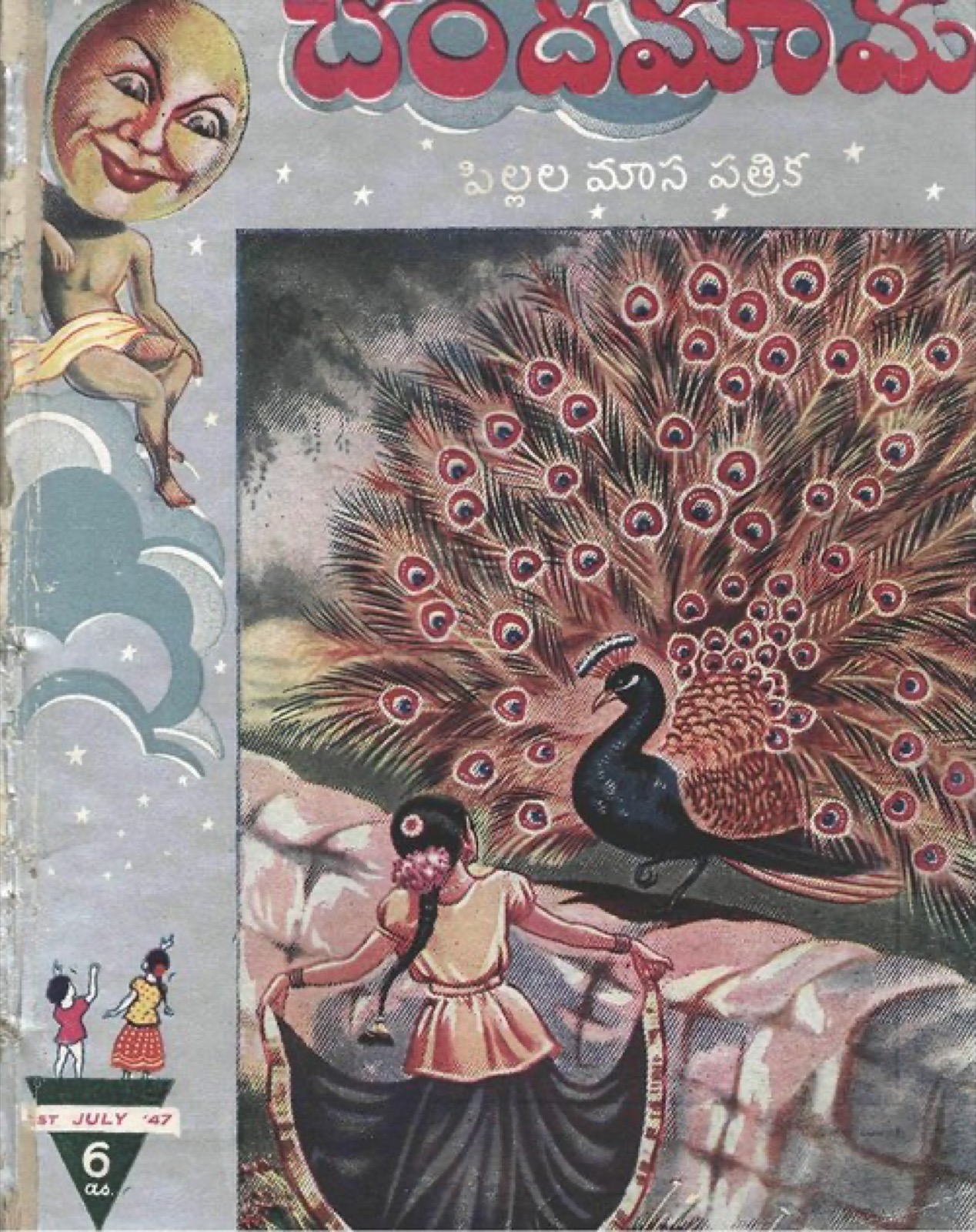
Chandamama, launched in July 1947 by B. Nagi Reddi and Chakrapani, became India's defining children's story magazine. It ran, with brief interruptions, until its final issue in March 2013.
The magazine was born in Telugu and Tamil in July 1947, weeks before independence, the Tamil edition carrying the name Ambulimama. Its founders were Chakrapani, the editorial force whose understanding of young readers shaped the title, and Nagi Reddi, its printer and publisher, both of whom would later become leading film producers in South India. The masthead in every language meant the same thing, the moon as a beloved maternal uncle.
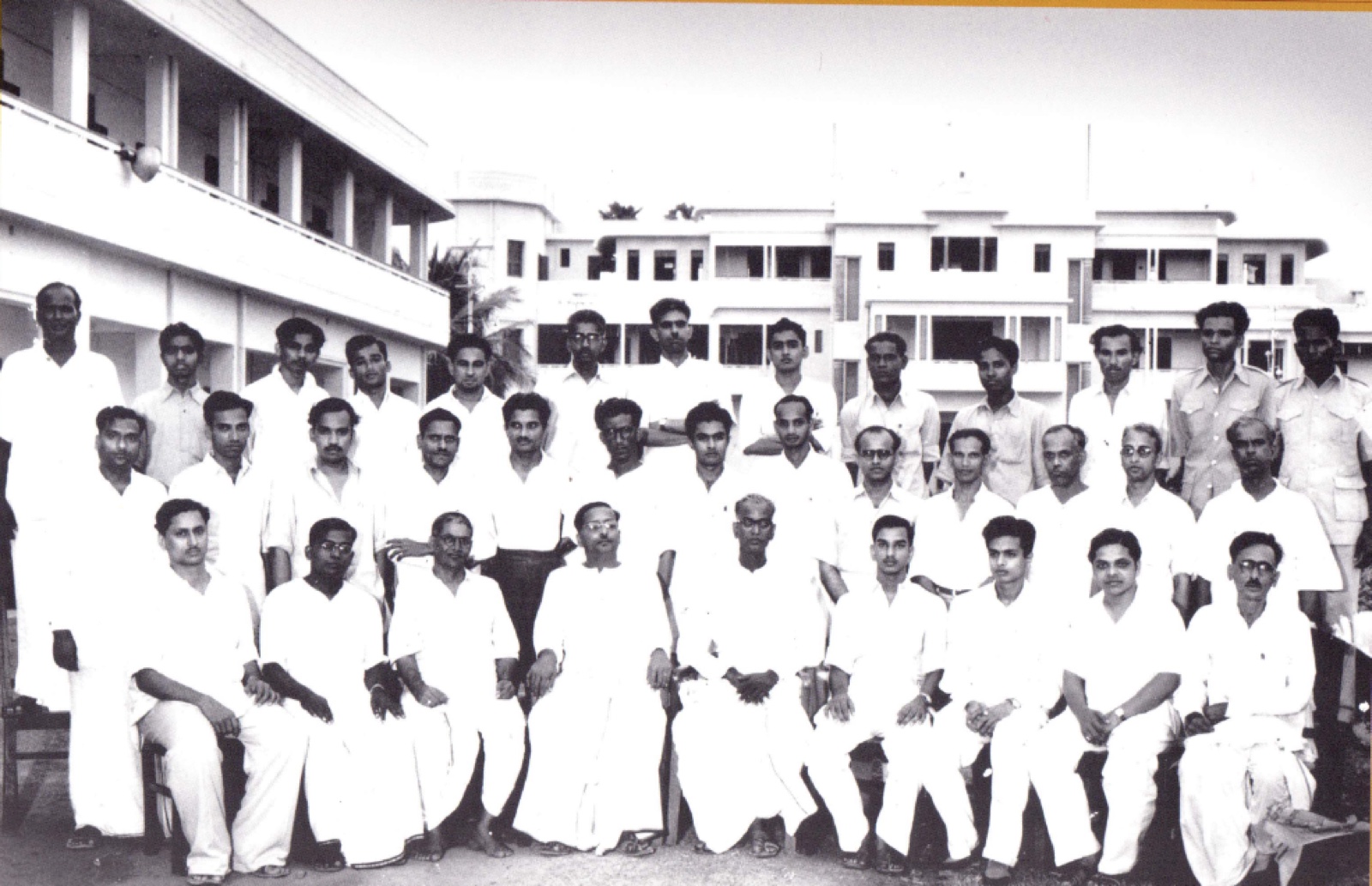
For 28 years the magazine's stories flowed through one remarkable editor. Kodavatiganti Kutumba Rao, a major figure in Telugu literature and a close friend of Chakrapani, wrote its mythological features himself and encouraged generations of young Telugu writers until his death in August 1980. Serial writers such as Dasari Subrahmanyam kept readers hooked with long-running adventures like Patala Durgam.
Chandamama's real invention was a voice. It told mythology, epics, fables and folklore in a grandparent's storytelling register, bound together by a common thread of moral values. Its signature was the never-ending cycle of King Vikramaditya and the Vetala, adapted from the Sanskrit Baital Pachisi, in which the corpse-spirit poses a moral riddle the wise king must answer, only to begin the loop again.
The languages multiplied with the readership. Kannada and Hindi editions arrived in 1949, Marathi and Malayalam in 1952, Gujarati in 1954, English in 1955, and eventually the magazine appeared in 13 languages with a readership of about 200,000. Bengali, Punjabi, Assamese, Sinhala, Sanskrit and even Santali editions followed across the decades.
Its look was as influential as its stories. Illustrators such as M. T. V. Acharya, T. Veera Raghavan who signed as Chithra, Vaddadi Papaiah who signed as Vapa, and K. C. Sivasankaran, the beloved Sankar who joined in 1951, defined a lush house style. Every page carried an illustration, though strictly speaking Chandamama was a story magazine rather than a comic, its Chitra-katha column excepted.
The later decades were turbulent. A labour dispute halted publication in 1998 before a relaunch a year later, the company went public in 1999 with Morgan Stanley taking a sizable stake, and in 2007 the Mumbai software firm Geodesic acquired the title with plans for a digital future. A 2008 revamp added contemporary stories, sports and technology pages alongside the old favourites.
The digital future never came. Geodesic defaulted on its loans and was ordered wound up by the Bombay High Court, and Chandamama's final issue appeared in March 2013. What survives is a shared memory spanning four generations of readers, for whom the moon-uncle's stories were the first library they ever owned.
Compiled from published archives and public records.