Dark Horse Media employees have announced plans to unionize as Dark Horse Workers United, seeking voluntary recognition from leadership.
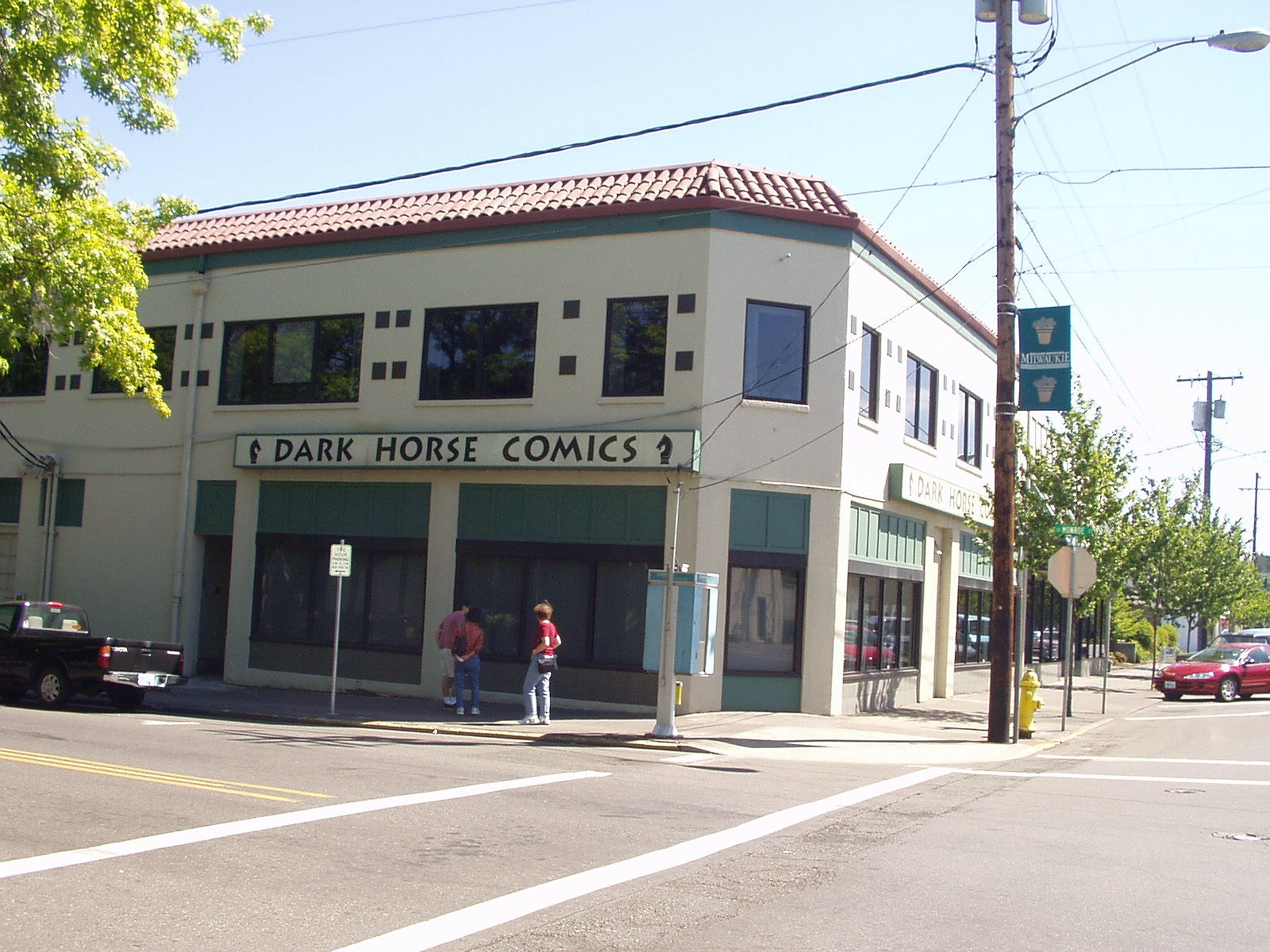
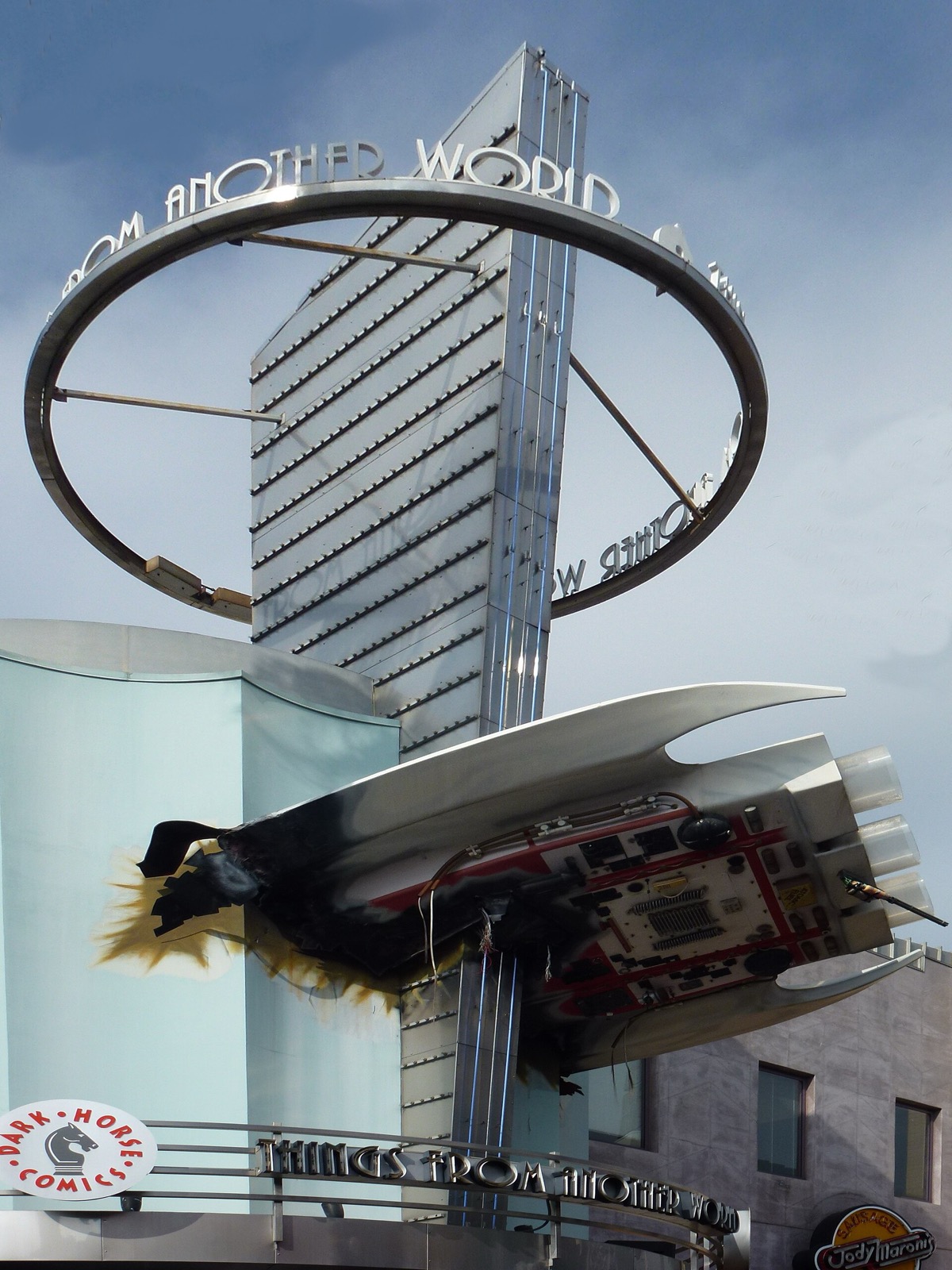
Dark Horse Comics, the Milwaukie, Oregon publisher behind Hellboy, Sin City, Usagi Yojimbo and The Umbrella Academy, has become the latest comics company where staff are organizing. On May 27, 2026, a supermajority of employees at Dark Horse Media, including workers at its affiliated retail chain Things From Another World, publicly announced their intent to form a union under the name Dark Horse Workers United. The group is organizing with the Communications Workers of America, Local 7901, the same CWA local that previously backed unionization at Portland-area publishers Image Comics and Seven Seas Entertainment. A letter signed by 59 eligible employees was sent to interim Dark Horse Media CEO Jay Komas, requesting voluntary recognition of the union.
The organizing effort was years in the making rather than a sudden reaction. According to DHWU spokesperson Riley VanDyke, workers had begun organizing as early as 2021, even before Dark Horse was acquired by the Swedish company Embracer Group in December of that year. The drive started small, with a core of three to five people in the production department, and grew through informal outreach across a famously siloed office. Organizers held lunches, joined coworkers on walks, and hosted gatherings after company meetings to build connections department by department until they had organizing leads across design, prepress, print, technology, publicity, editorial, and Things From Another World.
At the heart of the campaign is what organizers describe as the comics industry's passion tax, the assumption that workers will accept lower pay because they are lucky to work on beloved properties. VanDyke said it was kind of an open secret that the company leaned on the idea that employees would do exciting work and accept less in return, and that staff across departments are chronically underpaid relative to other publishers in the Portland metropolitan area. While the union could not provide specific pay figures, organizers framed compensation as a longstanding structural problem rather than a temporary shortfall. They also pointed to a top-heavy pay structure they say predates the current ownership.
The union laid out five foundational principles on its website: democracy, diversity, equity, solidarity, and transparency. Those principles map onto three broad goals, namely improving job security, wages, and benefits, building a transparent and equitable workplace culture, and securing a seat at the table in company decision-making. Workers said the demand for transparency grew directly out of recent history, citing rounds of layoffs, leadership changes, and canceled projects that employees learned about with little or no warning. Organizers stressed that once recognized, a union would compel the company to open its books and include workers in critical decisions.
Notably, the union signaled it was not seeking immediate pay raises, acknowledging that Dark Horse's financial circumstances made that an awkward moment for such demands. We all are under no illusions that Dark Horse is doing great financially, VanDyke said, noting the group was not expecting immediate increases. Instead, organizers emphasized longer-term aims: protections for a workforce they describe as heavily LGBTQ, assurances around diverse content, and a continued commitment to creator-owned comics. That commitment echoes founder Mike Richardson's original ethos that creators should retain ownership of their intellectual property.
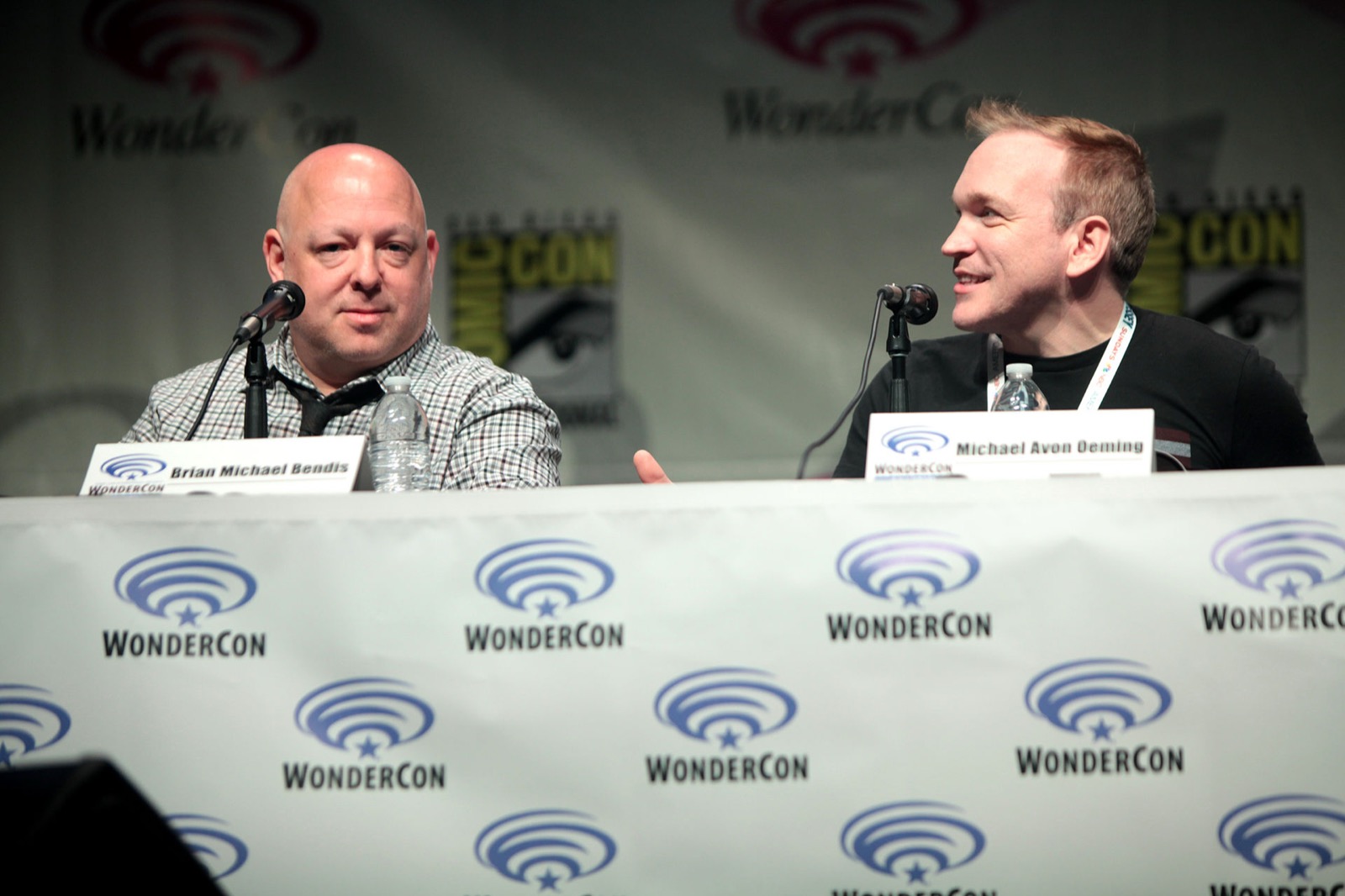
The campaign drew vocal support from creators who work with the publisher. Powers artist Michael Oeming argued that when a comics company is owned by a much larger corporation, protecting editors, designers, and staff should be a no-brainer, and that a company backed by a billion-dollar parent should be able to support unionized workers. His collaborator Brian Michael Bendis, who said he belongs to multiple unions himself, voiced full support for the Dark Horse team, saying he had seen how excellent they were at every part of the process and that they deserved the protections a union would offer. The endorsements underscored a broader shift in an industry where staff labor has historically had little formal protection.
If successful, Dark Horse workers would join a small but growing roster of unionized comics publishers. Seven Seas voluntarily recognized its union in 2022 after initially refusing, and Image Comics won recognition through a National Labor Relations Board election in 2023 after management declined to recognize the union voluntarily. Dark Horse Workers United asked Komas to voluntarily recognize the union by June 3, with the stated intention of petitioning the NLRB for an election if recognition was not forthcoming. Organizers said they had prepared for the possibility of an anti-union campaign and were ready to stand their ground, framing the effort as part of a broader revival of labor organizing across creative industries.
Reported by The Comics Journal.