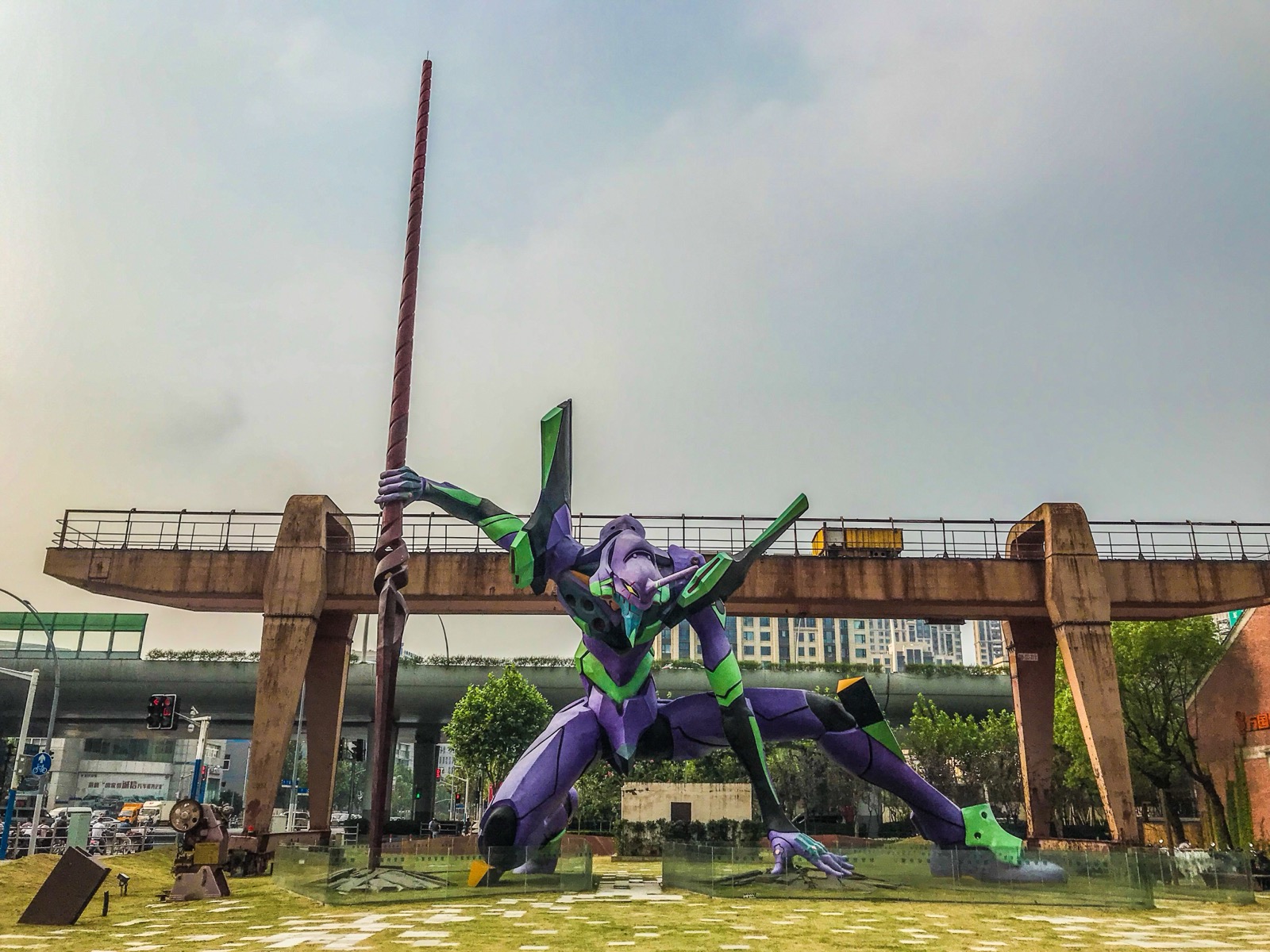
GKIDS will host a 30th Anniversary Movie Fest, bringing Hideaki Anno's seminal Evangelion films back to U.S. theaters this July.
GKIDS has announced that two of Hideaki Anno's defining Evangelion films are returning to North American theaters as part of the EVANGELION 30th Movie Fest, a celebration timed to the franchise's thirtieth anniversary. The distributor confirmed that Evangelion: Death (True)2 and Rebirth will screen on July 21, followed by The End of Evangelion on July 22. The screenings are positioned as a limited, two-night theatrical event, with tickets sold through the GKIDS website. For longtime fans, the run offers a rare big-screen opportunity to revisit films that helped cement Neon Genesis Evangelion as one of the most influential works in anime history.
The first film traces its origins to a theatrical release that opened in Japan on March 15, 1997, as the original film adaptation of the Neon Genesis Evangelion television series. As GKIDS describes it, the film is composed of two parts: Evangelion: Death, a compilation of episodes one through twenty-four of the original twenty-six-episode series, and Evangelion: Rebirth, a portion of the alternative ending of episode twenty-five. Later airings evolved into the version now known as Death (True)2 and Rebirth, which is the cut being screened outside Japan for the anniversary. The film functions both as a recap and as a bridge into the franchise's more radical conclusion.

The End of Evangelion, screening the following night, is the franchise's most discussed and divisive entry. Created as an alternative ending to the television series, it remakes the show's final two episodes, depicting SEELE's assault on NERV after its failure to engineer a man-made Third Impact. GKIDS' synopsis follows Asuka returning from despair to begin a counterattack as new enemies descend from the heavens, while Shinji, piloting EVA-01, witnesses the destruction of Asuka's EVA-02 and is surrounded by mass-production models performing a solemn ceremony. The film closes on the series' central, unanswerable question of what it means to complete a human heart.
The films' return carries added significance because the original Evangelion anime and movies had long remained out of print and unavailable in North America. The last release of the series by ADV Films came with the Platinum Edition DVDs in 2004 and 2005, and the company shut down in 2009, leaving the franchise in a kind of distribution limbo for years. That gap made physical and digital access to the foundational Evangelion works difficult for Western audiences, turning the series into something of a holy grail among collectors and newcomers alike during the 2010s.
That situation changed when GKIDS licensed the original television series along with the Death (True)2 and Rebirth and End of Evangelion films in 2020, restoring access for North American viewers through Blu-ray and digital download. The current 30th Movie Fest extends that stewardship into theaters, framing the anniversary as an occasion to experience Anno's work as it was originally intended on the big screen. The decision reflects GKIDS' broader role as a steward of acclaimed Japanese animation in the North American market.
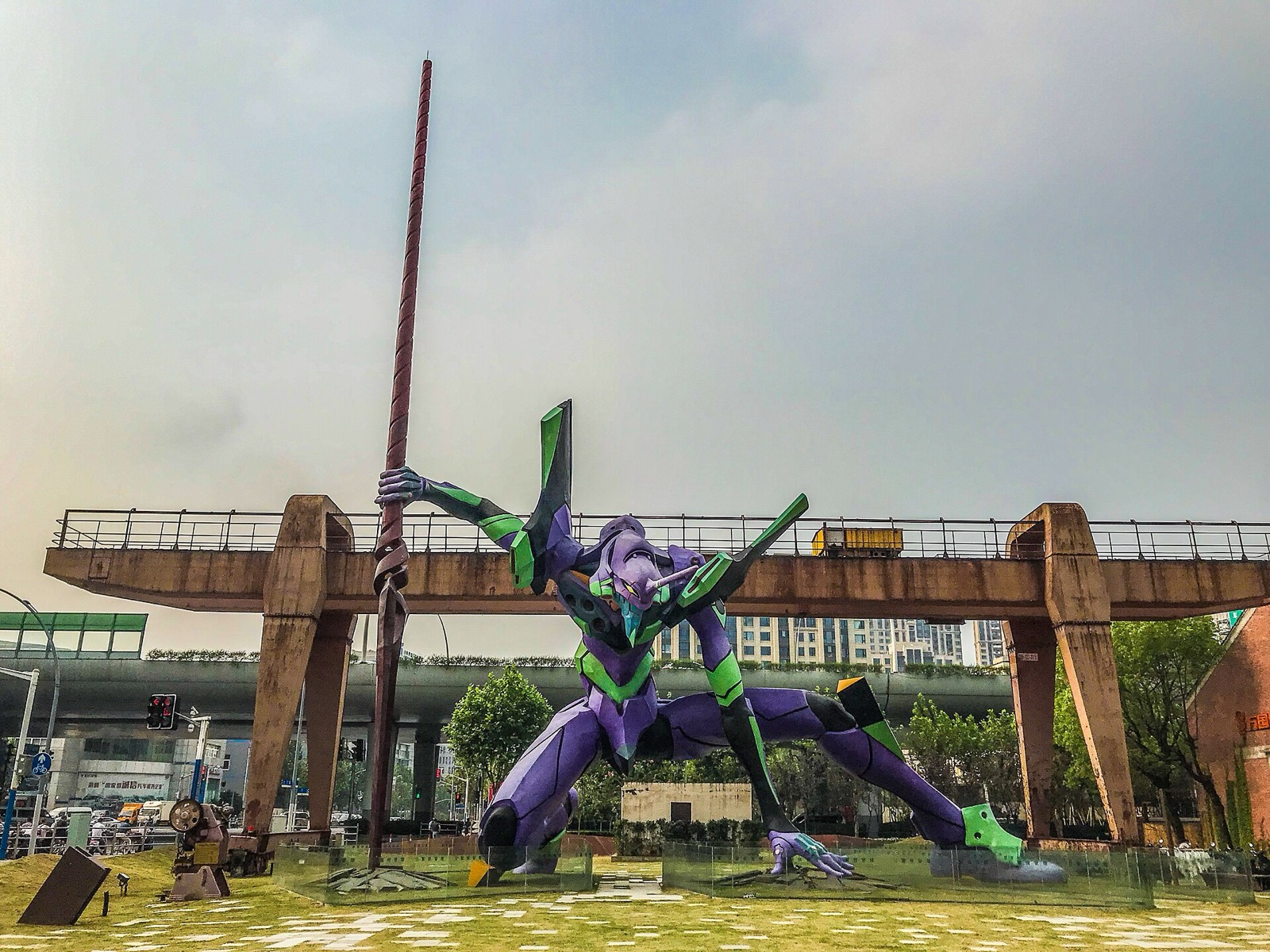
Behind the films stands Hideaki Anno, who directed the Neon Genesis Evangelion television series that aired from 1995 to 1996 and went on to found Studio Khara in 2006. The franchise he created has inspired a vast ecosystem of spinoffs, merchandise, and collaborations, while Anno himself returned to the property to oversee an entirely new interpretation of its story. His continued involvement has kept Evangelion in active creative development long after the original series concluded, making the anniversary a milestone for a still-living franchise rather than a purely archival one.
That reinterpretation took the form of the Rebuild of Evangelion tetralogy, which began with Evangelion 1.0 You Are (Not) Alone in 2007 and continued with Evangelion 2.0 You Can (Not) Advance and Evangelion 3.0 You Can (Not) Redo in 2009 and 2012. The tetralogy concluded with Evangelion 3.0 plus 1.01 Thrice Upon A Time, which opened in Japan in March 2021, ranked first in its opening weekend, and surpassed ten billion yen at the Japanese box office. The 30th Movie Fest invites audiences back to where it all began, screening the original films that set this enduring saga in motion.
Reported by Anime News Network.