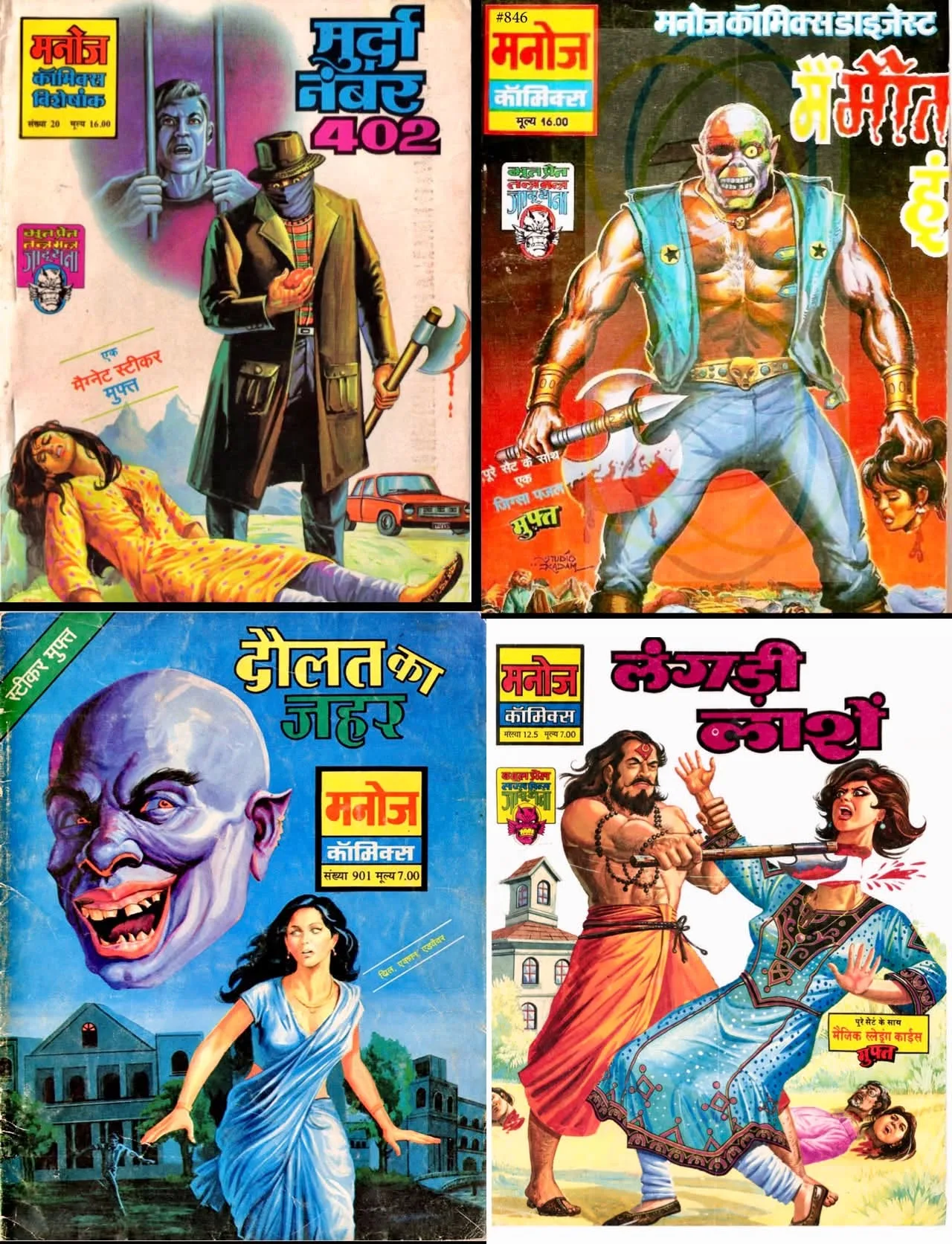
When Penguin India published Corridor in 2004, it arrived with the label of India's first graphic novel. The truth is more layered, and more interesting.
Corridor is an Indian graphic novel written and illustrated by Sarnath Banerjee and published by Penguin Group (India) in 2004. Set in contemporary Delhi, it follows a second-hand bookshop owner named Jehangir Rangoonwalla, who dispenses tea, wisdom and books to a rotating cast of customers wandering through the city.
Banerjee was born in Calcutta in 1972 and studied image and communication at Goldsmiths College, University of London. According to Wikipedia, Corridor was commissioned as part of a fellowship awarded by the MacArthur Foundation in Chicago, and it was marketed as India's first graphic novel.
That marketing claim has a notable asterisk. River of Stories, a graphic novel by Orijit Sen published in 1994, actually predates Corridor by a decade and holds the distinction of being India's first graphic novel. Corridor's lasting reputation rests less on being first than on its craft and its hold on a generation of readers.
The book threads together several Delhi lives. Brighu is a postmodern collector searching for obscure books and a love life. Digital Dutta is a Marxist computer engineer torn between Karl Marx and an H-1B visa. Shintu, newly married, hunts for an aphrodisiac in the by-lanes of old Delhi. DVD Murthy is a surgeon trying to escape the smell of the operating theatre.
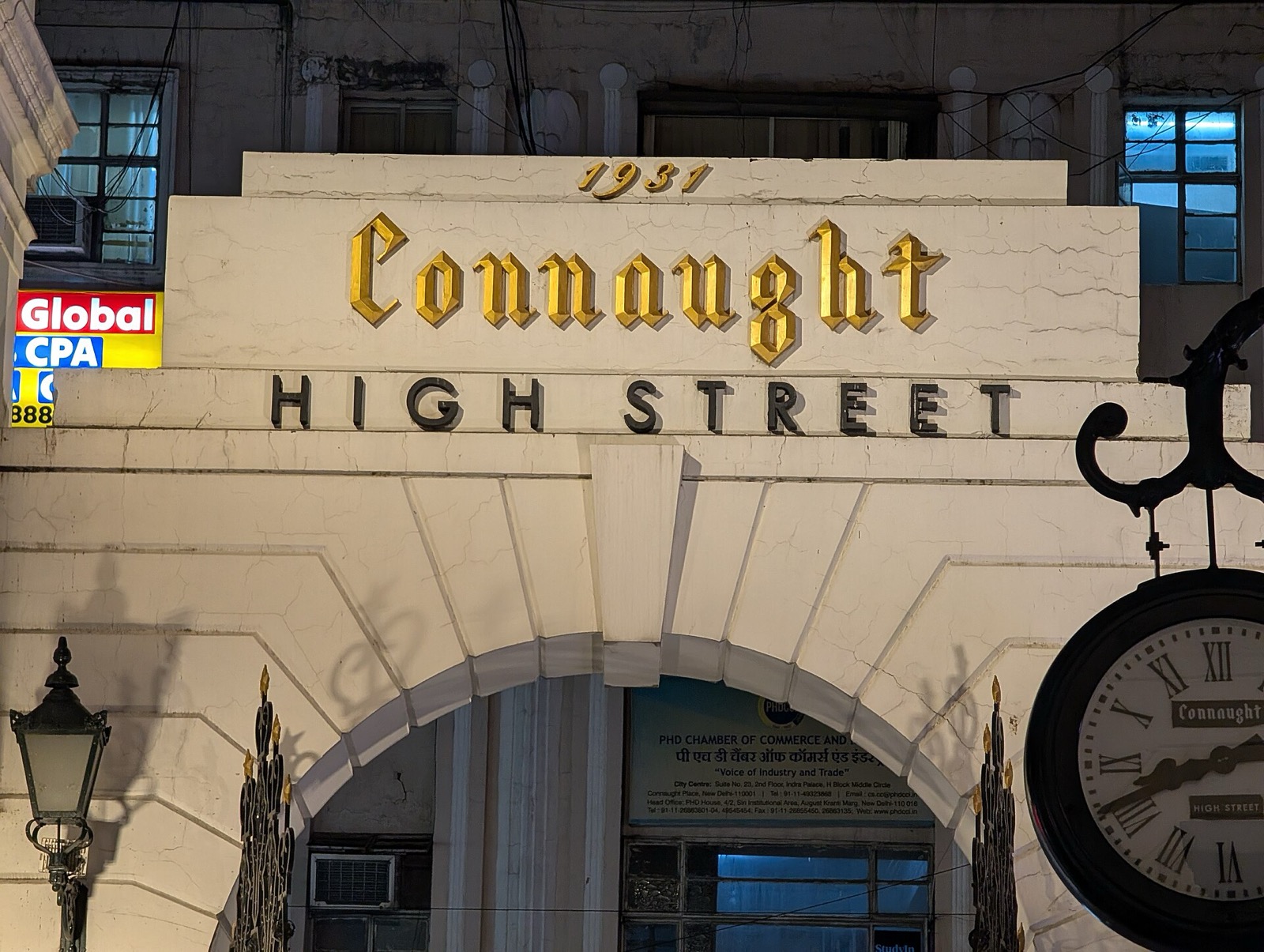
Much of the action plays out in the corridors of Connaught Place and in Calcutta. Through an interplay of text and image, Banerjee captures the alienation and fragmented reality of urban life, with Rangoonwalla acting as a kind of enlightened anchor who has already had his moment of clarity.
A recurring theme is the gap between people's dreams and their realities. Brighu, observant and self-aware, still loses his girlfriend Kali, yet finds a vocation as an artist by compiling images of the other characters. Banerjee suggests that peace can arrive unbidden, even for those who never set out to seek it.
Banerjee went on to publish further graphic novels, including The Barn Owl's Wondrous Capers in 2007, The Harappa Files in 2011 and All Quiet In Vikaspuri in 2016. He has described himself as a recorder of a rapidly changing India, and co-founded the comics publishing house Phantomville. A strong strand in his work is the loss of architecture and history that accompanies a developing country's reach for modernisation.
Two decades on, Corridor remains a fixture in discussions of the Indian graphic novel and a frequent subject of academic study. Whether or not it was truly first, it helped open the form to a wider Indian readership.
Compiled from public records.