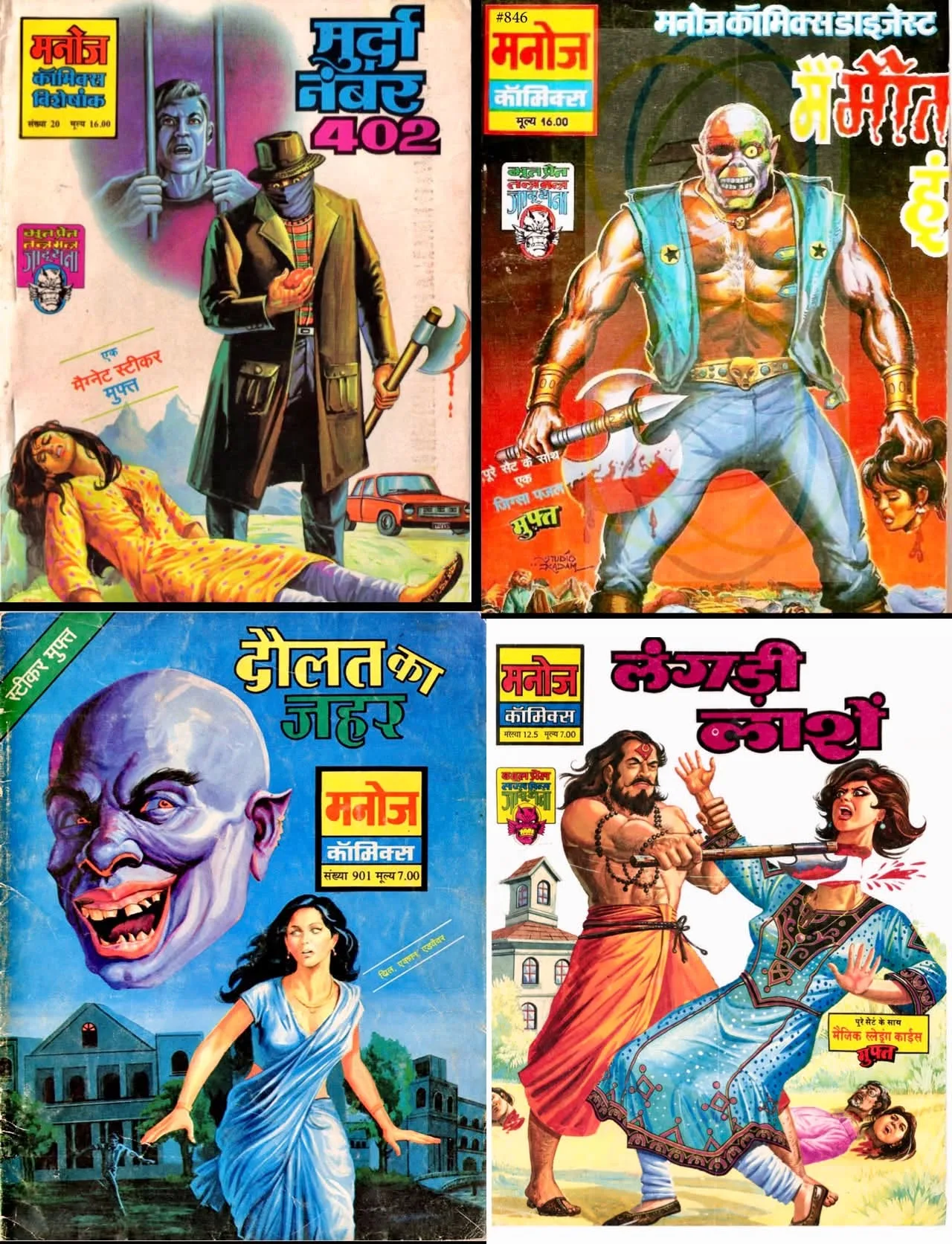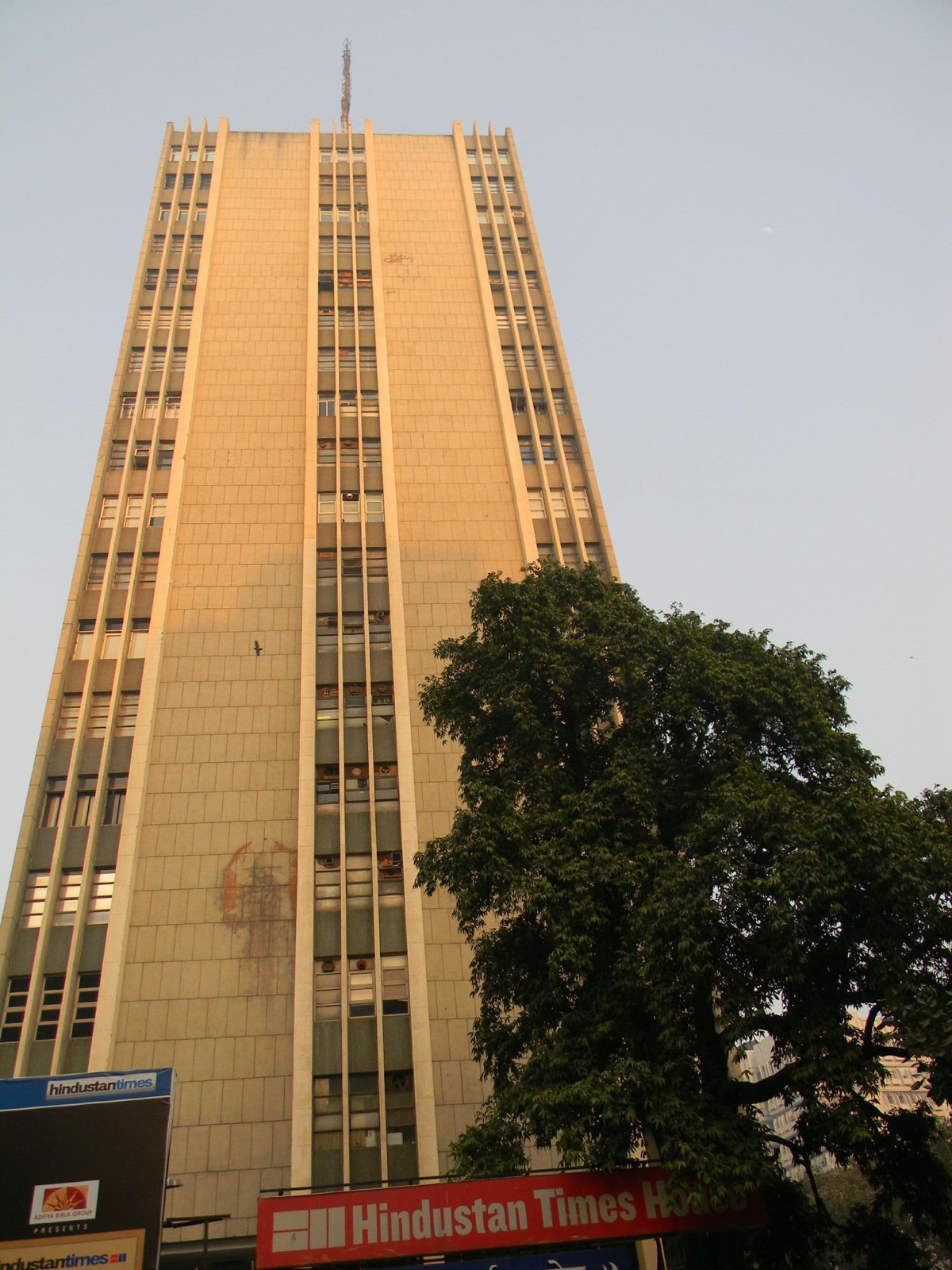
Hindustan Times has put a curated selection of Indian graphic novels online — free to read, no paywall.
Long before binge-reading became a digital habit, an early experiment offered Indian comic fans something rare online: legitimate, free access to homegrown graphic novels. A website devoted to Indian content, graphicindia.com, invited readers to follow ongoing series at no cost, releasing one fresh chapter every week. The model deliberately steered clear of the piracy that the words internet, comics and free tend to summon, offering a sanctioned alternative built around regular, episodic releases that kept readers coming back.
The platform showcased work by a roster of Indian writers, including Samit Basu, Samik Dasgupta and Siddharth Kotian. Basu's then-new novel Unholi offered an apocalyptic take on Holi, depicting a zombie attack in Delhi on the day of the festival, eerily illustrated by artist Jeevan Kang. Readers could follow the first four chapters online while Basu continued working on the rest, a structure that turned the act of reading into an unfolding serial rather than a single purchase.
The free model was not as radical as it first appeared. As Basu pointed out, the practice of giving comics away is decades old, dating to the genre's American origins when promotional comics were handed out at no charge, a tradition that endures in events like the industry's free comic book day. The aim with graphicindia.com was to take that long-established approach and move it online, where weekly digital chapters could reach a far wider audience than print giveaways ever could.
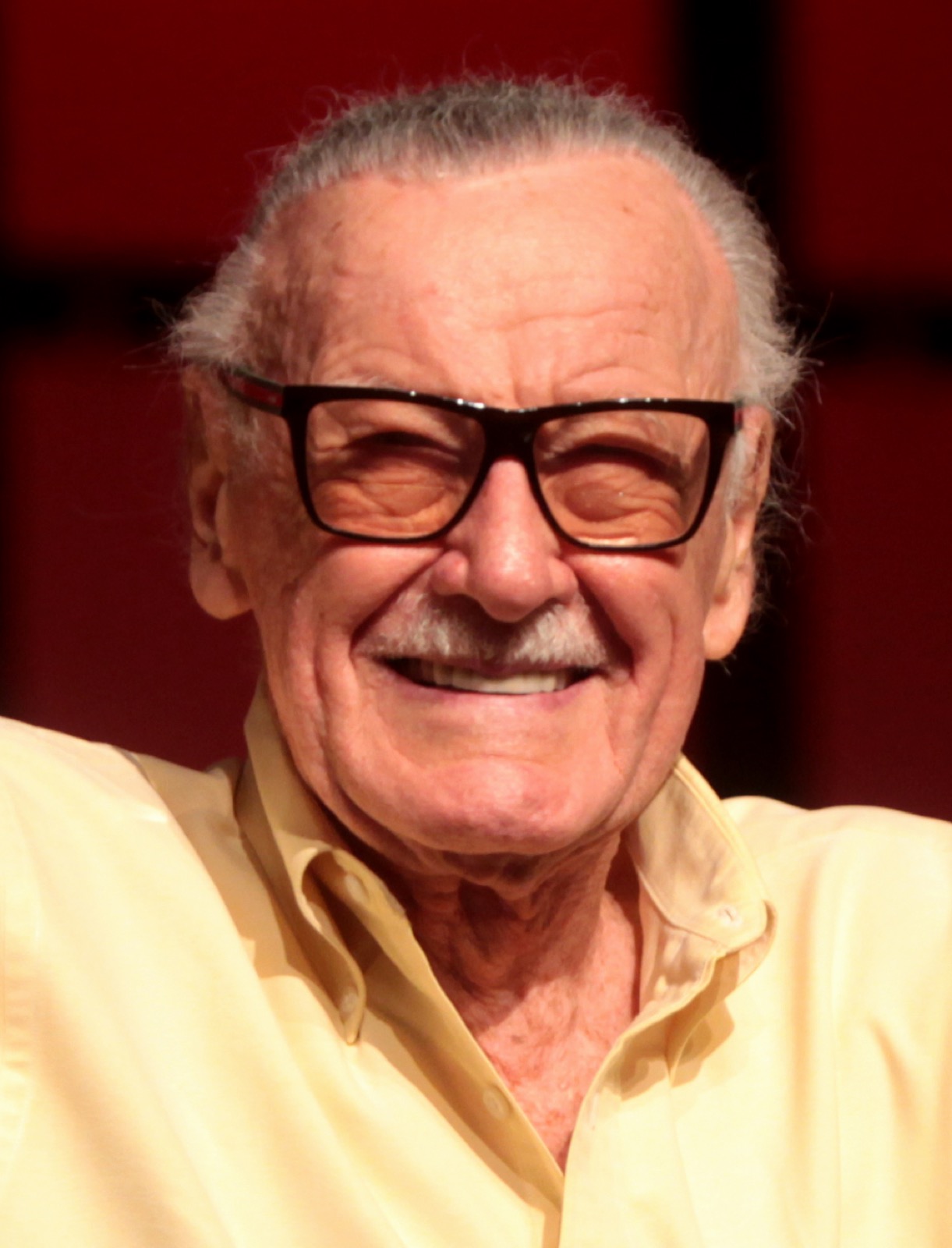
The catalogue leaned into ambition and range rather than safe nostalgia. Among the offerings was a Ramayana reimagined in the distant future, a horror series titled Untouchable, and Devi, a graphic novel whose goddess protagonist resembled a leather-clad superhero. One of the most anticipated titles was a comic involving Stan Lee, the co-creator of Spider-Man, Iron Man and Thor, centred on a superhero set in Mumbai. The mix signalled an intent to treat Indian comics as a serious creative field rather than a children's sideline.
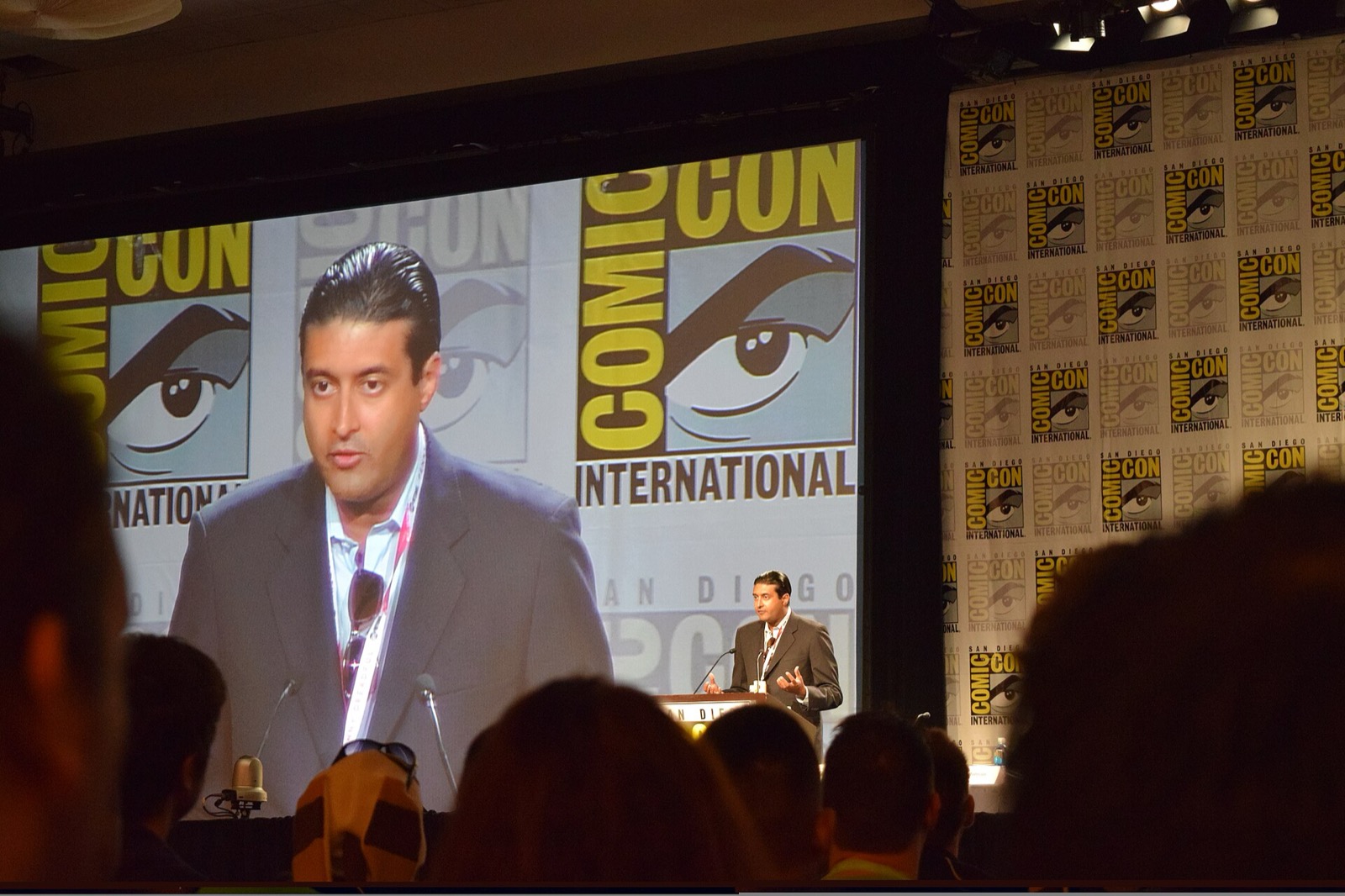
The obvious question was how anyone made money giving the work away. The site was run by Liquid Comics, and its chief executive and founder Sharad Devarajan framed the answer in terms of audience rather than immediate sales. In a digital age, he argued, the greatest value for any content company is to build loyal audiences. The strategy was to draw readers in with free chapters and then convert that loyalty into purchases of physical copies or e-books down the line.
The free-access push arrived as the broader ecosystem for comics in India was beginning to mature. Specialised comic book libraries were opening in cities and Comic Con events were running across multiple cities, raising the question of whether the audience had genuinely grown or remained niche. Devarajan observed that only a few years earlier comics had still been perceived as products for children, but that a new generation of Indian creators had begun expanding the boundaries of the medium, a shift that gave digital distribution a more receptive readership.
The creators were clear-eyed about the limits of free, too. Basu noted that the market was building slowly and that because the content was free, the readership was large, but cautioned that the picture would look different once readers had to pay. Even so, the initiative demonstrated that there was real appetite for Indian graphic novels delivered online, and that a weekly, no-cost release could nurture a following for a medium still finding its commercial footing.
Reported by Hindustan Times.