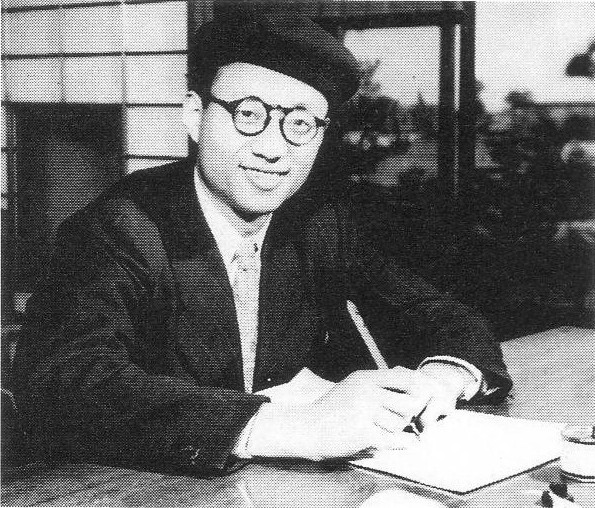
Osamu Tezuka (1928 to 1989) is so central to Japanese comics that he is called the Father of Manga. His robot hero Astro Boy became one of the best-selling manga of all time and the launchpad for Japanese television animation.
Osamu Tezuka was born on 3 November 1928 in Toyonaka, Osaka Prefecture, into a prosperous, well-educated family. As a child he was taken often to the Takarazuka Grand Theater, whose performers' large sparkling eyes later influenced his drawing style. His father showed him Walt Disney films, and Tezuka became such a devotee that he reportedly watched Bambi dozens of times. He began drawing comics in elementary school.
Tezuka's breakthrough came in 1947 with New Treasure Island, a book-length comic loosely based on Robert Louis Stevenson's novel. It became an overnight success and is widely credited with helping start a postwar golden age of manga. Remarkably, Tezuka pursued comics while training to be a doctor, graduating from the Osaka School of Medicine in 1951.
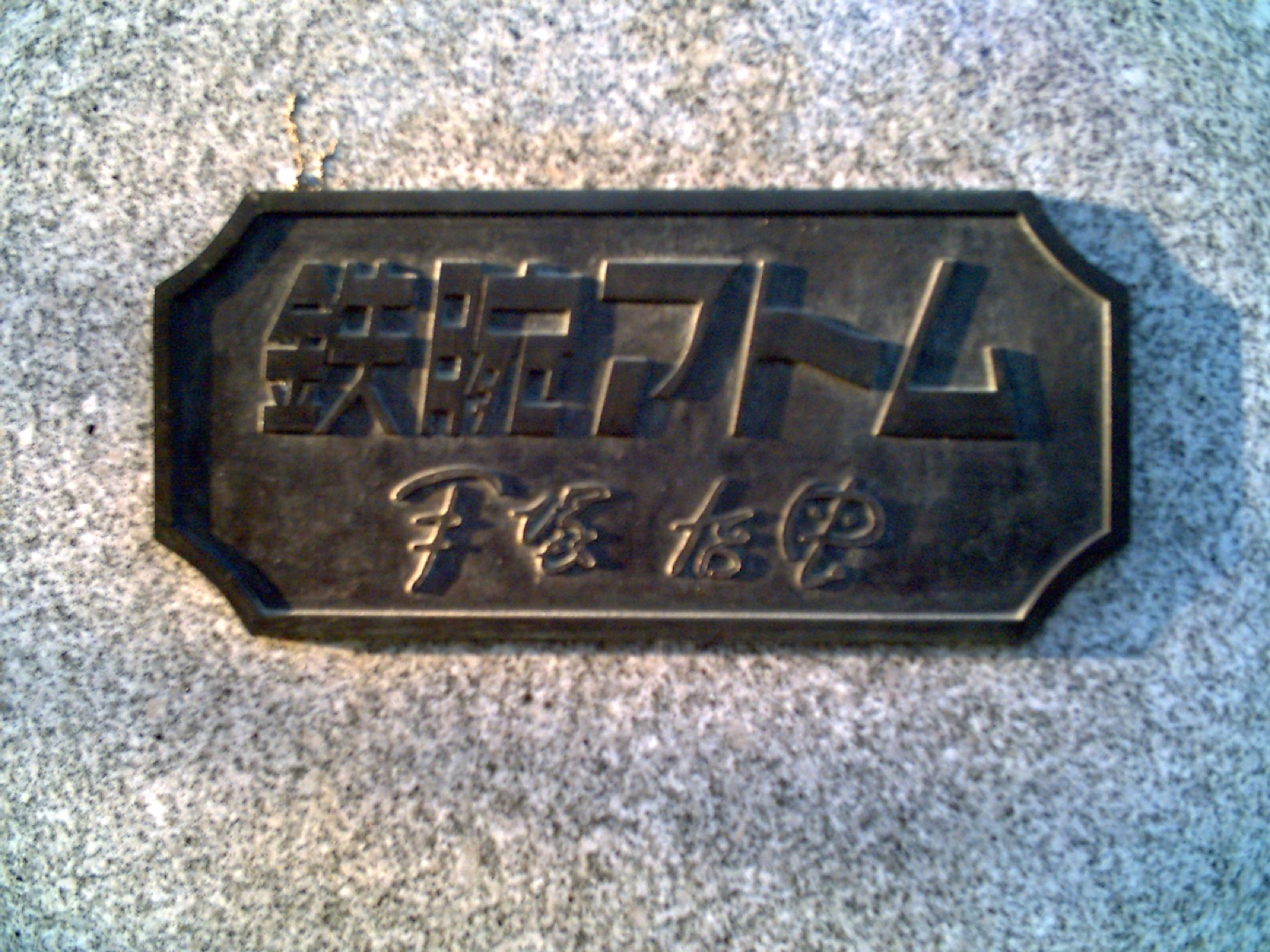
The character that would define him first appeared in Ambassador Atom in 1951. Readers, especially young boys, latched onto a humanoid robot named Atom, and Tezuka built a full series around him. On 4 February 1952, Tetsuwan Atomu, known in English as Astro Boy, began serialization, and the character became an instant phenomenon in Japan.
Astro Boy follows an android boy with human emotions, built by the scientist Doctor Tenma in the image of his late son Tobio. Tezuka described his creation as a kind of reverse Pinocchio: a nearly perfect robot striving to become more human and to serve as an interface between people and machines. The manga ran until 1968 and was collected into 23 volumes.
In 1961 Tezuka founded the animation studio Mushi Production. The 1963 Astro Boy television series became the first successful model for weekly animation production in Japan, pioneering cost-saving limited-animation techniques, and it was the first Japanese animated series dubbed into English for an American audience. It also helped create the market for character merchandising.
Tezuka's range went far beyond a single robot. He created the shojo landmark Princess Knight, the full-color animated series Jungle Emperor (Kimba the White Lion), and mature, literary works such as Phoenix, Buddha, and the medical drama Black Jack. His prolific output and constant experimentation reshaped what comics could be, earning him comparison to Walt Disney.
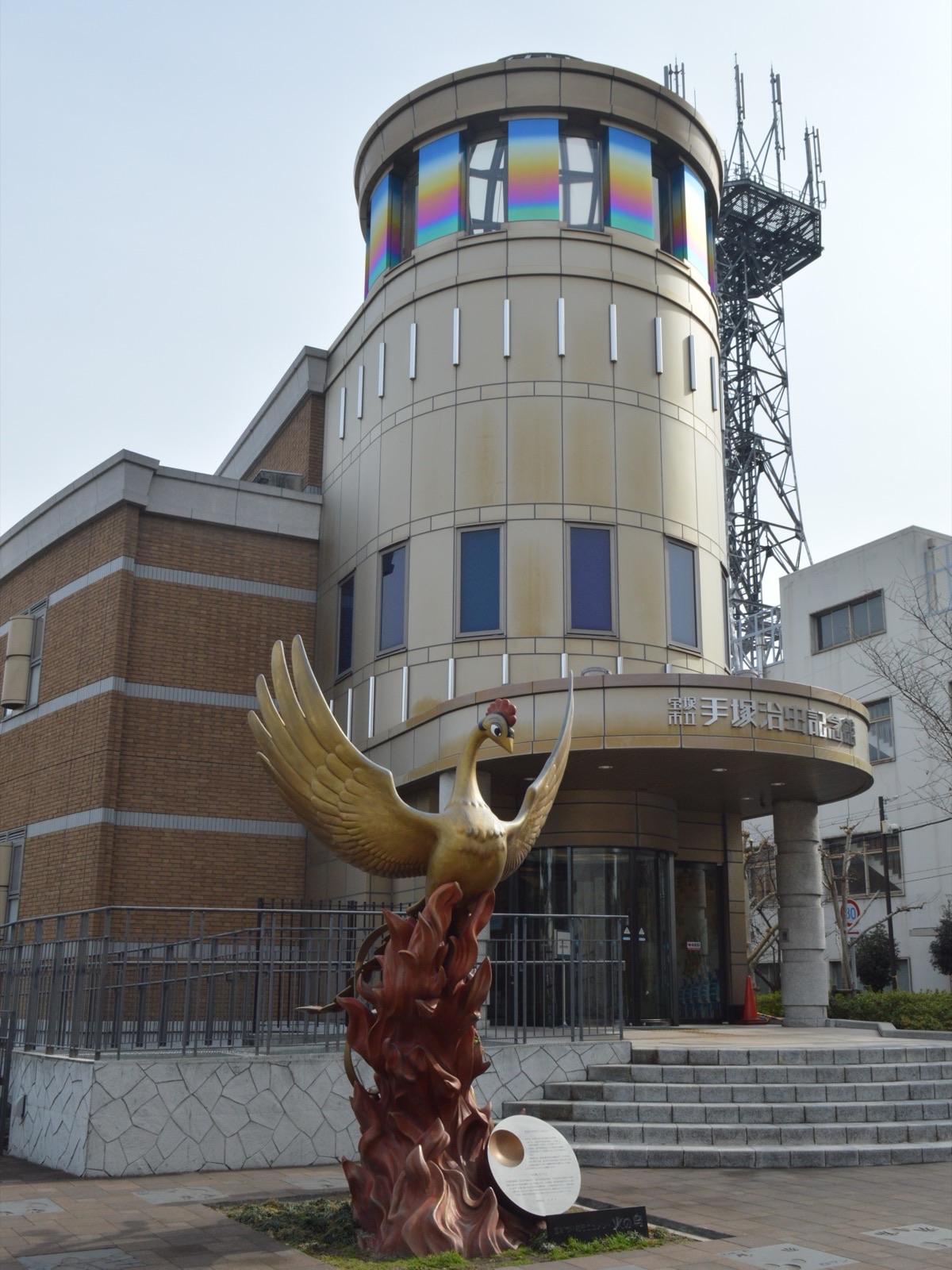
Tezuka died of stomach cancer in Tokyo on 9 February 1989. His death had an immediate impact on the Japanese public and on fellow cartoonists, and a museum dedicated to his life and work was built in Takarazuka, Hyogo. The combined Astro Boy volumes have sold more than 100 million copies worldwide, making it his best-selling series and one of the best-selling manga ever.
Compiled from public records.