Hindustan Times reports two American universities are racing to assemble the world's largest archive of Indian comics history.
Some of the most ambitious efforts to preserve Indian comic books are unfolding not in Mumbai or Delhi but on American university campuses, where two institutions have been quietly racing to assemble the largest collection in the world. Michigan State University and the University of Illinois at Urbana-Champaign have each built holdings of Indian comics that dwarf anything known to exist in Europe and, to the embarrassment of some observers, in India itself. The rivalry is friendly but real, with each side keeping a close eye on the other's acquisitions.
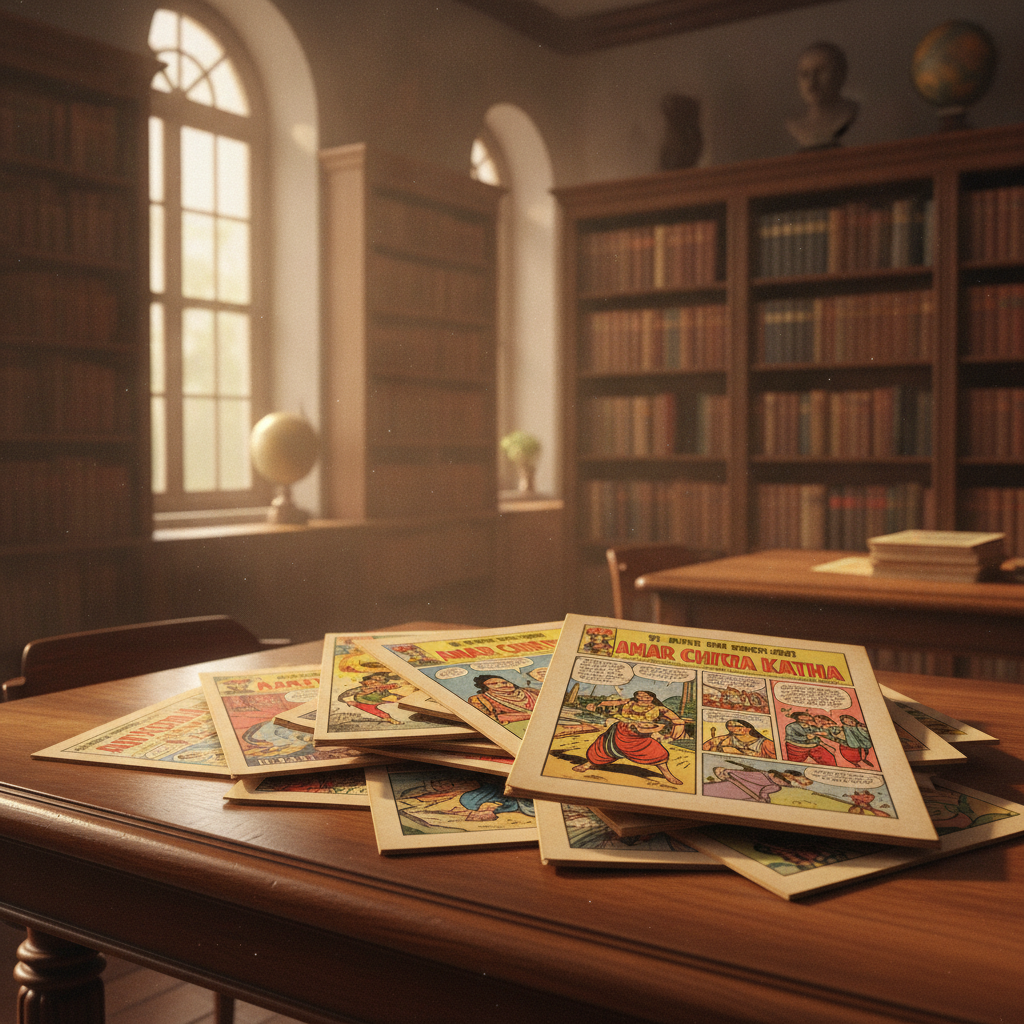
At Michigan State, the driving force is Siddharth Chandra, director of the Asian Studies Center, who has built the collection in an almost artisanal way. For years he has travelled to Asia carrying three suitcases, one small bag for his belongings and two large ones that leave empty and return packed with comic books. Buying suitcase by suitcase, three times a year over roughly eight years, he expanded a collection that also reaches into Indonesian and even North Korean comics. Chandra grew up on Amar Chitra Katha titles bought from railway stalls on train journeys, and that childhood enthusiasm shaped the academic project.
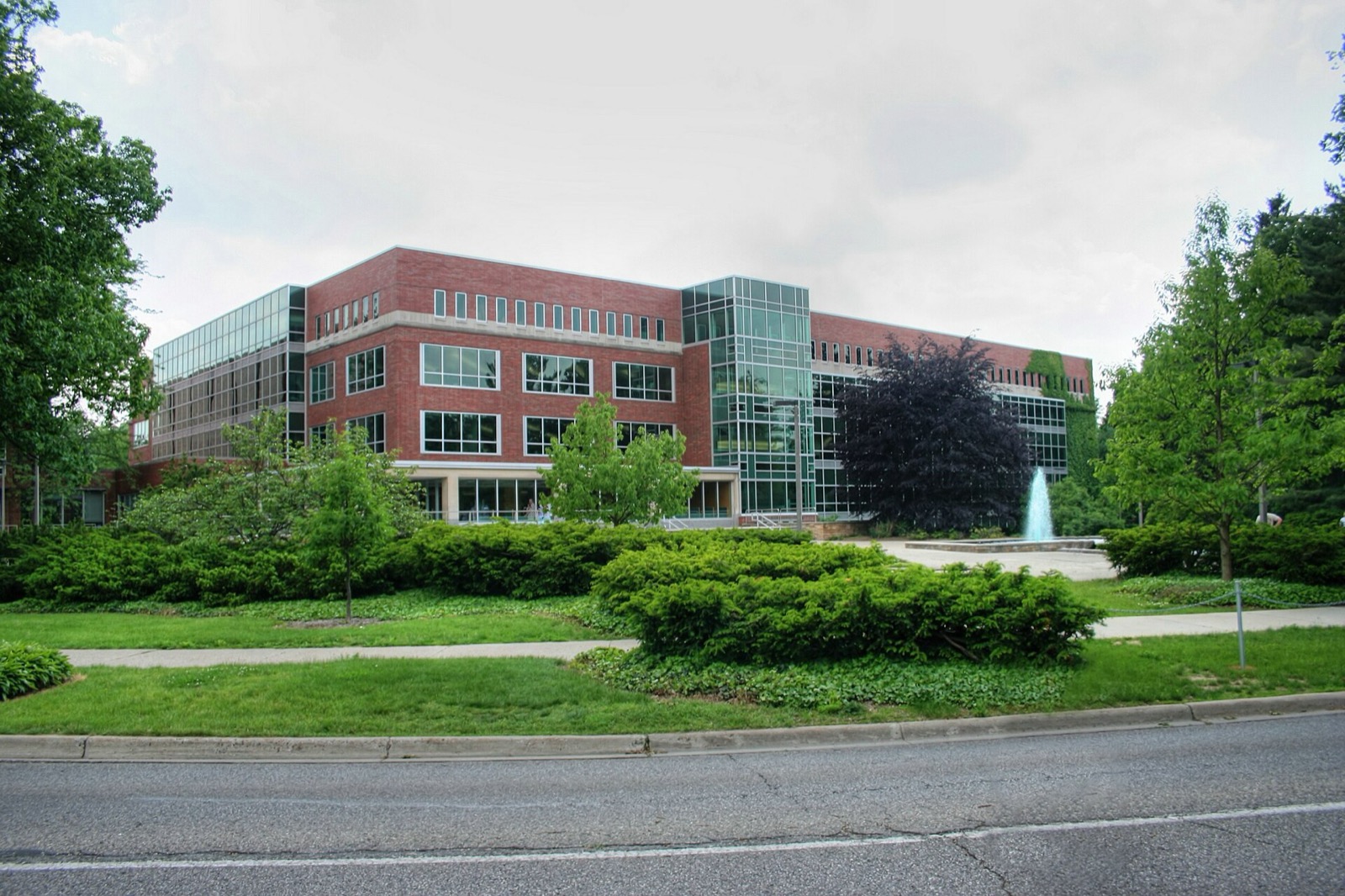
Across Lake Michigan, Mara Thacker, a librarian and South Asian studies specialist at the University of Illinois, has assembled her collection through trips to India, visits to Comic-Cons, and patient relationship-building with sceptical collectors, publishers and online fan communities. One collector took a personal visit to convince before he believed she was serious. Thacker even set up alerts to catch new or rare titles surfacing online. She began the effort in 2012, after attending a workshop that encourages member libraries to develop distinct specialisations rather than duplicate one another.
The numbers are close, and a little slippery. Michigan State has counted around 1,763 titles from India, including Amar Chitra Katha, Diamond Comics, Raj Comics, and the Tamil Nadu publishers Lion and Muthu, plus newer graphic novels from houses such as Campfire. Illinois holds roughly 1,500, covering nearly the same publishers plus Indrajal Comics and the Hindi translations of Phantom and Mandrake, with around 450 more awaiting cataloguing. Both sides caution that the tallies can mislead, since a multi-volume Amar Chitra Katha set might be logged as a single entry.
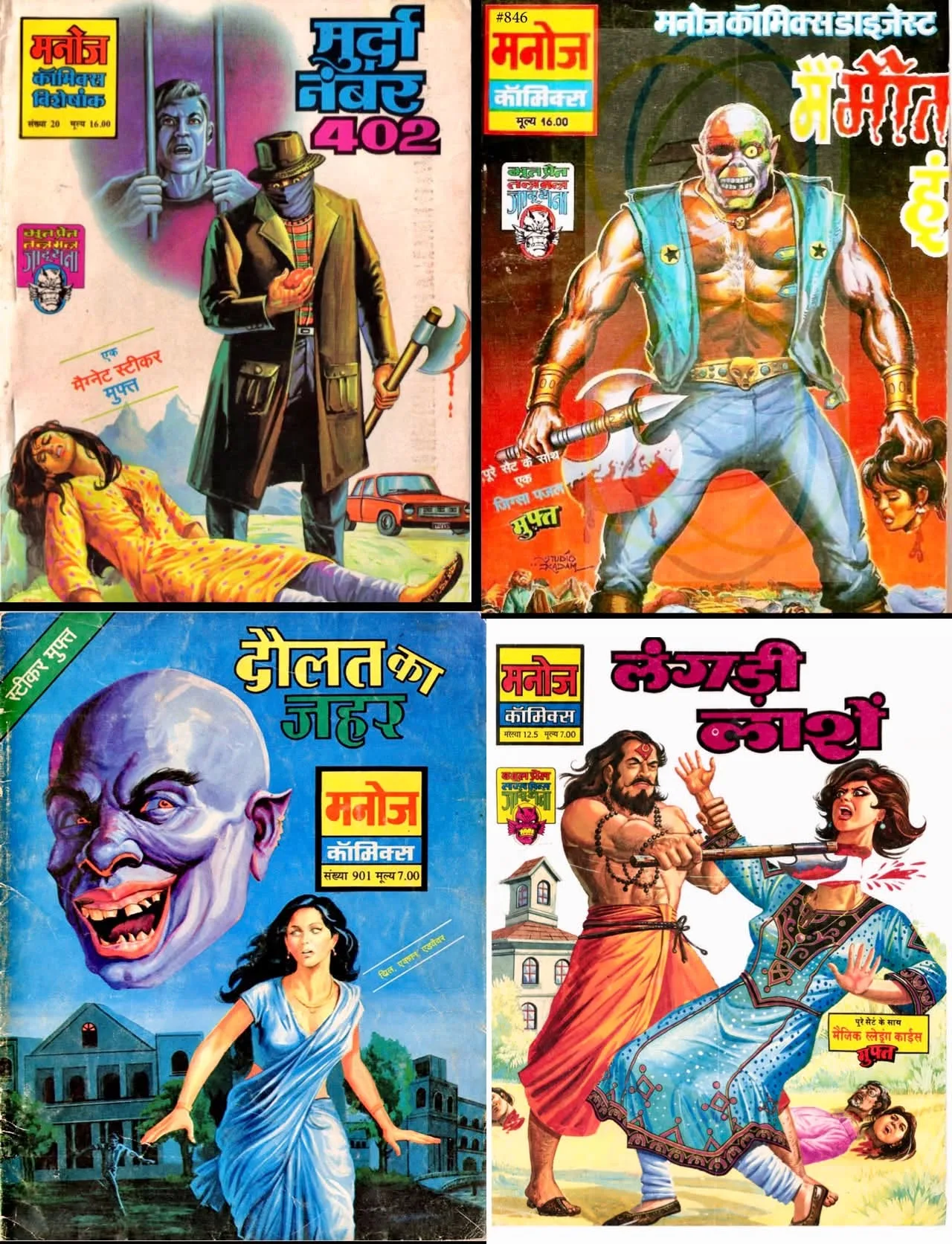
Each curator frames the contest in their own terms. Thacker has said the Illinois collection is, at the moment, roughly tied with Michigan, but she is confident of soon holding the largest in the United States because her holdings are growing rapidly. She also argues that becoming the largest in the United States would, in effect, make it the largest in the world, since she sees no comparable collectors in Europe and none in India with as much. Chandra, focused on what he calls indigenous comics, hunts down hard-to-find rivals to Amar Chitra Katha such as Adarsh Chitra Katha and Manoj Chitra Katha, many of which simply have not survived.
For both scholars, this is not a teenage obsession but serious cultural preservation. Comic books are increasingly seen as an integral part of popular culture and a valuable lens onto a society's people, values and self-image. Chandra notes that Amar Chitra Katha, with its mix of history and Hindu mythology, helped shape what it meant to be Indian for the middle classes across the 1960s, 70s and 80s. He points to a thematic shift toward contemporary subjects such as the Mumbai terror attacks and acid attacks on women.
Other American institutions, including the University of Pennsylvania, hold sizable collections of Indian comics, but none are seriously in the race for the top. Michigan State's broader comic holdings, overseen by veteran librarian Randy Scott, run to roughly 300,000 items spanning many regions, with the Indian collection tracing back to a few exotic-seeming issues Scott picked up at a Lansing bookstore in the 1970s. The effort only truly accelerated after Chandra joined in 2009. Whoever ultimately pulls ahead, the contest underscores how Indian comics have become objects of scholarly value far from where they were made.
Reported by Hindustan Times.