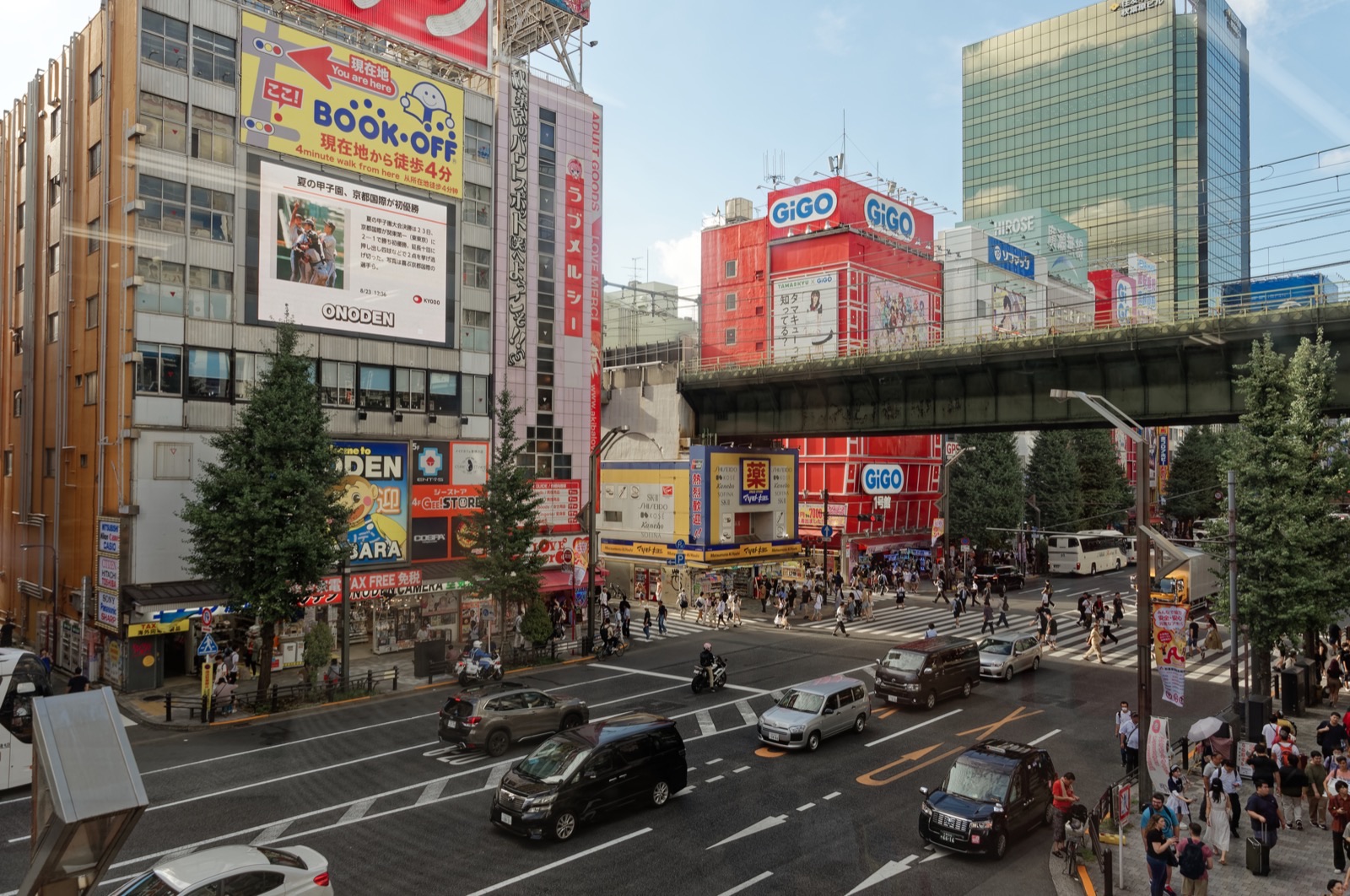
Akihabara is a neighborhood in Tokyo's Chiyoda ward, nicknamed Electric Town and widely considered the center of Japanese otaku culture. Its streets are a major shopping district for video games, anime, manga and electronics.
Akihabara sits in the Chiyoda ward of Tokyo, in the area surrounding Akihabara Station. The name is a shortening of Akibagahara, derived from Akiba, a fire-controlling deity honored at a firefighting shrine built after a fire destroyed the area in 1869.
The district's electronic identity is rooted in the postwar years. After World War II a black market thrived around the station, and Akihabara earned the nickname Electric Town for being a major center for household electronics. Its relative disconnection from strong government control in that era let it grow rapidly as a market city.
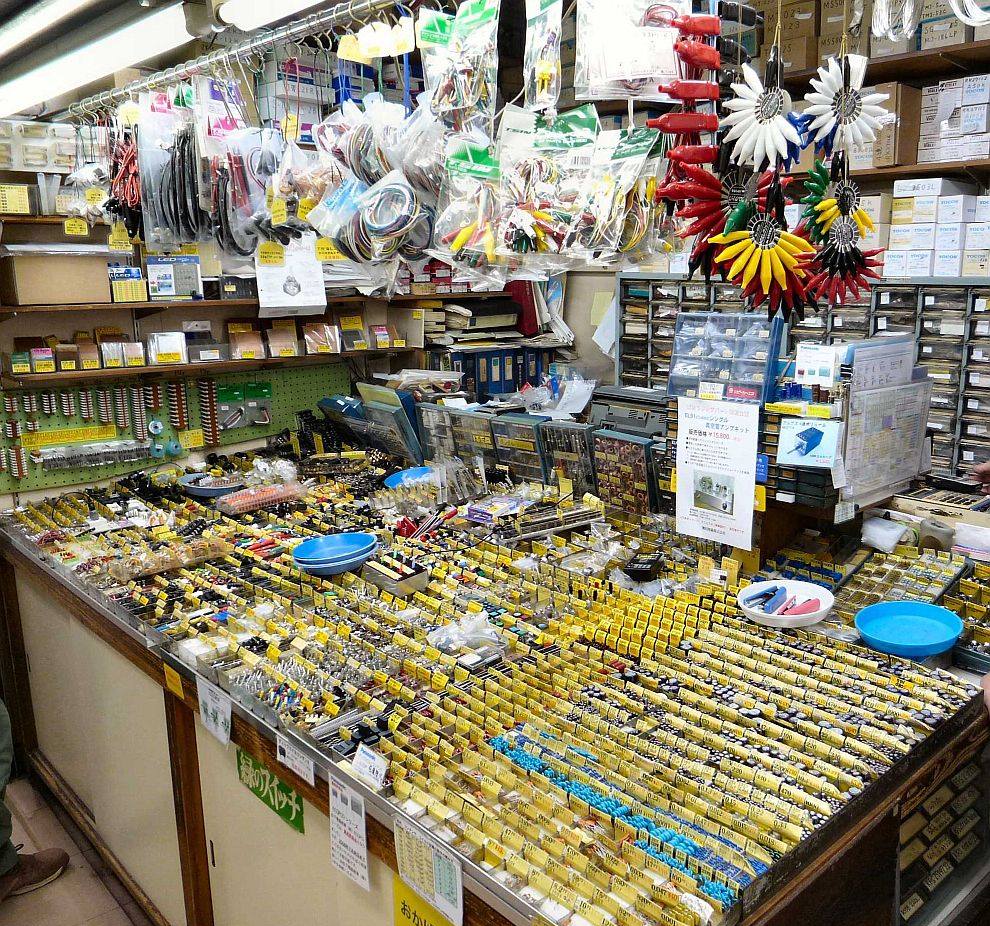
By the 1950s Akihabara had specialized in electronic home appliances such as washing machines, refrigerators, televisions and stereos. As those goods lost their futuristic appeal in the 1980s, the shops pivoted to home computers, then a niche pursuit for specialists and hobbyists.
That shift brought in a new customer base of computer enthusiasts and otaku. The market adapted to serve interests in anime, manga and video games, and the connection between the district and otaku culture grew so strong that Akihabara became a recognized center of it.
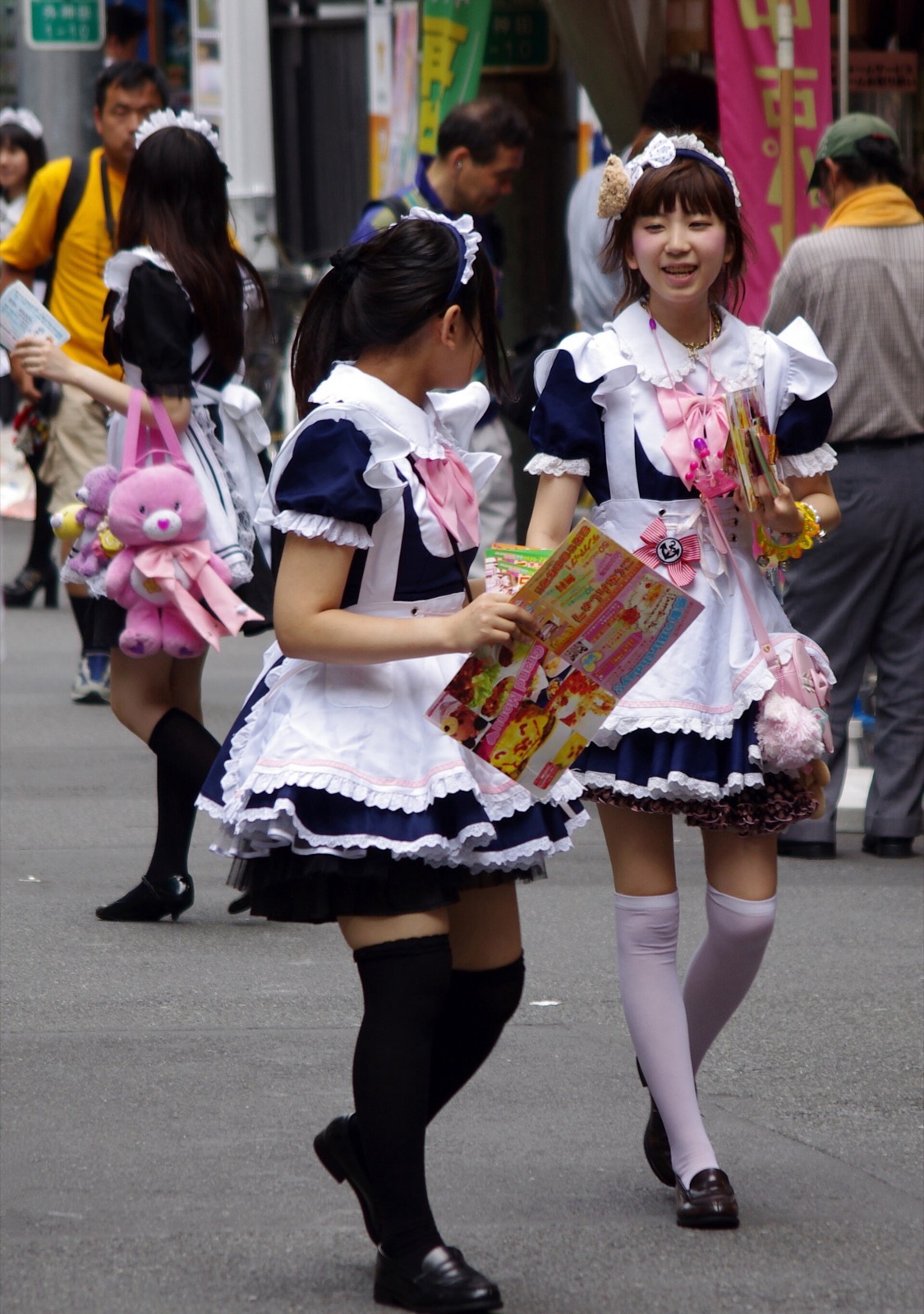
Today the area is saturated with the culture it serves. Icons from popular anime and manga are displayed prominently on the shops, cosplayers line the sidewalks handing out advertisements, and numerous maid cafes and arcades fill the district. Its nicknames now include the Otaku Capital of the World and Anime City.
Architecture reflects the subculture's mindset. Scholars have noted that many Akihabara stores are designed to be opaque and closed off, mirroring a desire among some otaku to immerse themselves in their fictional worlds rather than display their interests to passersby.
Akihabara has also nurtured grassroots creativity. As a kind of free market, it has long given amateur work a place to find an audience, and the sale of doujinshi, amateur or fan-made manga, has been growing there since the 1970s. Release events, special promotions and fan conventions are common throughout the area.
Compiled from public records.