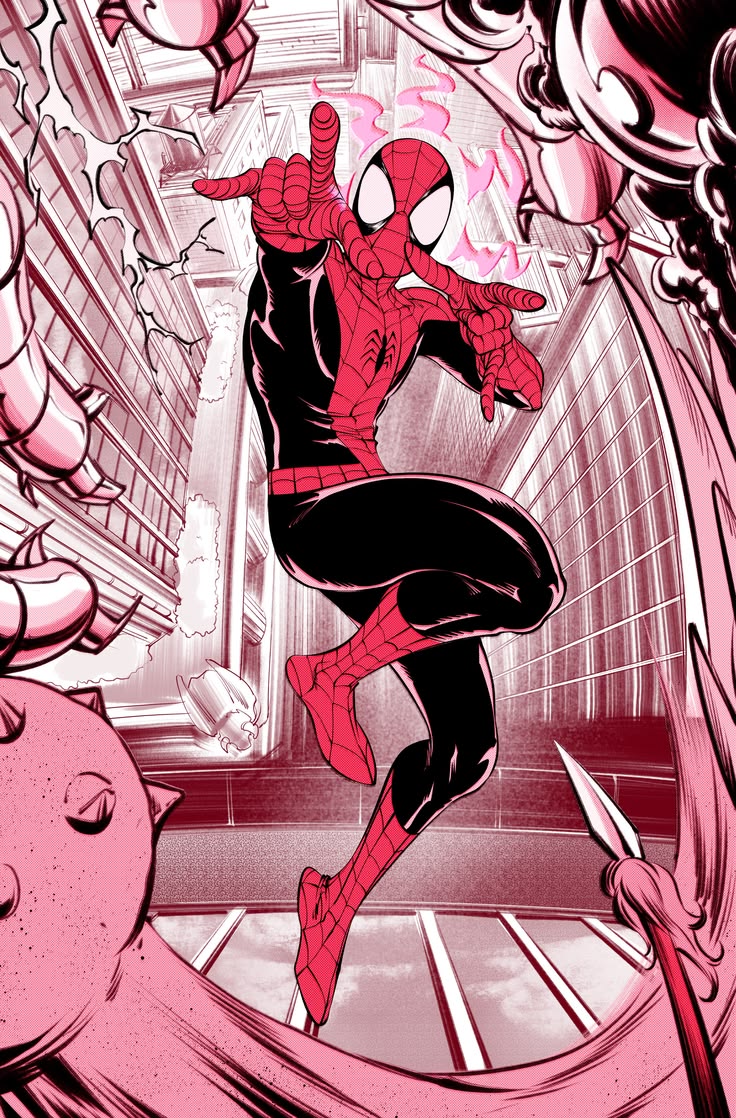
Marvel Comics has dramatically reinvented the Department of Damage Control, portraying them as heroes in The Amazing Spider-Man #33.
The Department of Damage Control (DODC), previously an antagonistic force in the Marvel Cinematic Universe, has been dramatically reinvented in The Amazing Spider-Man #33. In its comic book return, the organization now operates as a private police force, equipped with high-tech weaponry, and appears to be an ally to Spider-Man. This surprising shift challenges established perceptions of the group, hinting at deeper implications for the Marvel Universe.
In The Amazing Spider-Man #33, written by Joe Kelly and drawn by Ed McGuinness, Damage Control intervenes to assist Spider-Man in a battle against the villain Jack-O’-Lantern. A three-person task force, led by Agent Griffyn, introduces themselves as part of a "pilot program" initiated by Mayor Luke Cage. Their stated mission is to proactively stop threats, distinguishing themselves from the cleanup crew seen in previous iterations.
Agent Griffyn explains that while the original Damage Control still handles cleanup, his team focuses on pre-emptive action against supervillains. He attempts to recruit Spider-Man, flattering him by emphasizing his unique contribution to "little people" and the city, even above the Avengers. Griffyn, who lost an arm fighting Hydra, showcases his mechanical replacement and invites Spider-Man to join a mission to apprehend Tarantula.
Despite their seemingly heroic actions and Griffyn's persuasive demeanor, the DODC's sudden shift raises red flags. Their new mandate to protect "everyday humans" echoes the MCU's DODC, which aggressively pursued superhumans like Ms. Marvel and Wonder Man, often treating them as threats or assets. This history, coupled with the potential involvement of anti-mutant activist Bill Metzger, suggests ulterior motives behind their new heroic facade.
The issue concludes with the new DODC preparing to confront Tarantula alongside Spider-Man, hinting at a temporary alliance. However, the significant arsenal and the organization's ambiguous past suggest that this reinvented Damage Control might evolve into a major antagonist rather than a steadfast ally for the Web-Slinger. Their true intentions and the long-term impact on the Marvel Comics landscape remain uncertain.