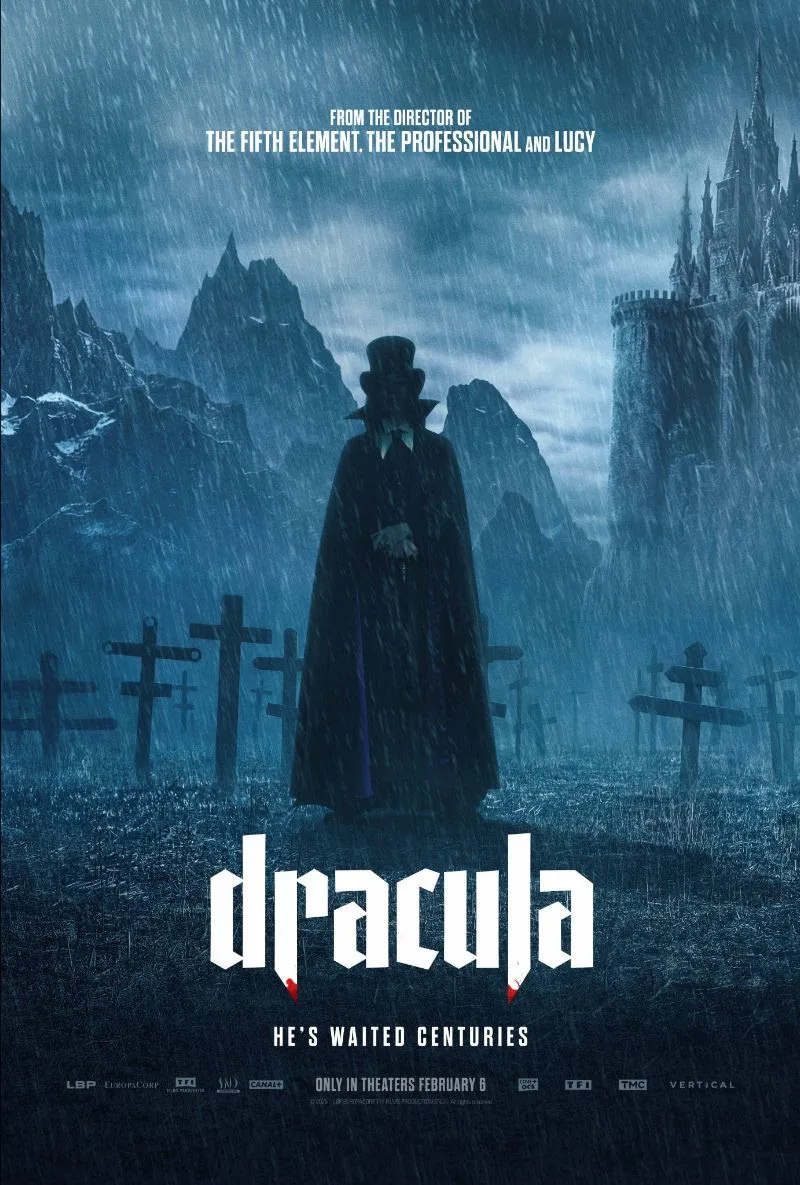
Luc Besson’s Dracula: A Love Tale is finding an unexpected audience as a top-performing title on the Paramount+ streaming platform.
In the landscape of October streaming, where horror staples usually dominate the charts, an unlikely contender has risen to prominence. Luc Besson’s Dracula: A Love Tale, which saw a limited theatrical release in France last year and a North American debut earlier this year, has secured a firm foothold on the Paramount+ platform. The film has maintained a position in the top three of Moviefone’s streaming charts for over a week, proving that audiences are hungry for unconventional genre fare during the spooky season.
The film serves as a radical departure from the traditional Bram Stoker adaptation. Rather than focusing solely on the familiar beats of the Victorian gothic novel, Besson pivots toward the internal life of the Count. The narrative centers on the tragic loss of Dracula’s wife, Elisabeta, and the subsequent spiritual collapse that defines his immortality. By centering the story on this profound, centuries-spanning grief, the film shifts the tone from standard vampire horror to a melancholic, character-driven romance.
Caleb Landry Jones portrays a version of the Count that feels distinctly softer and more human than the monstrous archetypes of the past. Besson’s direction, known for the maximalist visual flair of The Fifth Element, here incorporates unexpected humor and a strange, rhythmic pacing that defies standard horror conventions. While the film retains the necessary gore and visceral intensity expected of the genre, it prioritizes the emotional villain-turn of its protagonist, framing his transformation as a consequence of lost faith.
While the film shares thematic DNA with Francis Ford Coppola’s 1992 adaptation, particularly in its focus on the romantic obsession between Dracula and his lost love, it remains a singular, idiosyncratic creation. It is a weird, fascinating experiment that blends blood-soaked tragedy with moments of levity. As it continues to climb the streaming charts, the film stands as a testament to the enduring, malleable nature of the Dracula mythos when placed in the hands of a distinct auteur.