Forty years ago, Frank Miller's Batman: The Dark Knight Returns #4 concluded, forever changing the Caped Crusader.
August 26, 1986, marked the release of Batman: The Dark Knight Returns #4, the final chapter in Frank Miller's seminal story. Titled "The Dark Knight Falls," this issue saw an aging Batman emerge from retirement to save Gotham, only to face off against a government-sanctioned Superman. The conclusion cemented a new, darker direction for the Caped Crusader, influencing nearly every iteration since.
The story introduced Carrie Kelley as a new Robin and depicted Batman inspiring a new generation of vigilantes, a move the government actively opposed. The climax featured a brutal confrontation with Superman, who was manipulated by the U.S. government to stop Batman. This narrative painted Batman as a necessary but outlawed force, challenging the very notion of heroism and government authority.
The epic showdown between the two titans culminated with Green Arrow's intervention, leveling the playing field with kryptonite mist. Batman appeared to die of a heart attack in Superman's arms, but this was a ruse. He faked his death using a drug, a secret Superman ultimately kept to allow Batman to continue training a new generation of heroes in secret.
Before Miller, the 1970s Adam West television show had rendered Batman campy and lighthearted. While Dennis O’Neil and Neal Adams attempted to restore his darker edge, it was The Dark Knight Returns that decisively re-established Batman as a gritty, mature, and often brutal vigilante. This shift paved the way for subsequent iconic stories like Batman: Year One, Batman: The Killing Joke, and the tragic "A Death in the Family" storyline.
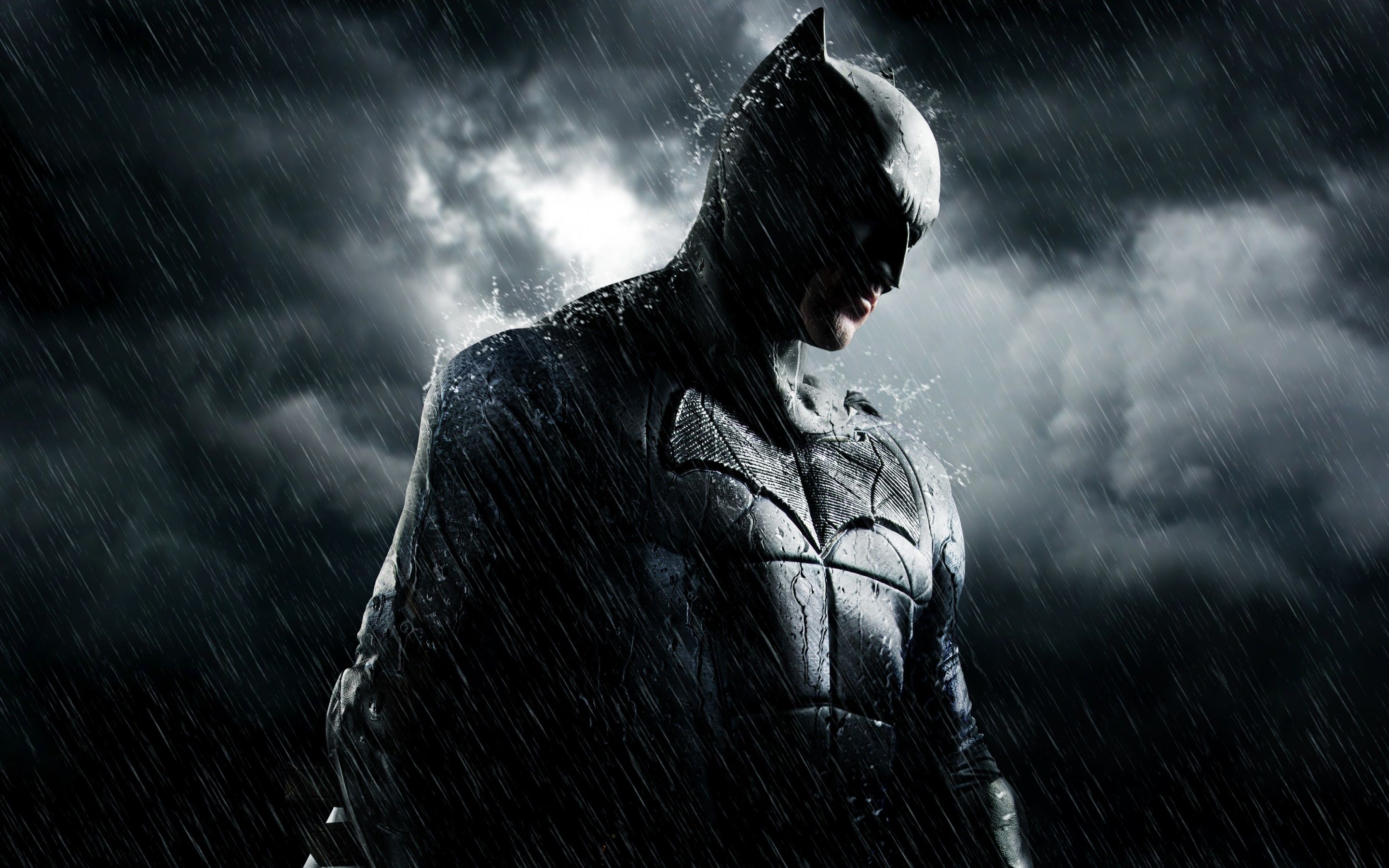
The impact extended far beyond comics, profoundly shaping cinematic interpretations of the character. Tim Burton's gothic Batman films and Christopher Nolan's Dark Knight Trilogy embraced the darker, more serious tone established by Miller. Even Ben Affleck's portrayal of Batman in the Zack Snyder DCEU, including its own Batman versus Superman narrative, drew direct inspiration from the seminal graphic novel, solidifying its legacy across all media.
Miller's vision spawned multiple sequels, including The Dark Knight Strikes Again, The Dark Knight III: The Master Race, and Dark Knight Returns: The Golden Child. A prequel, Dark Knight Returns: The Last Crusade, explored events a decade prior. Miller himself considers other works like Batman: Year One, All-Star Batman & Robin the Boy Wonder, and Superman: Year One to be canonical additions to this influential universe.