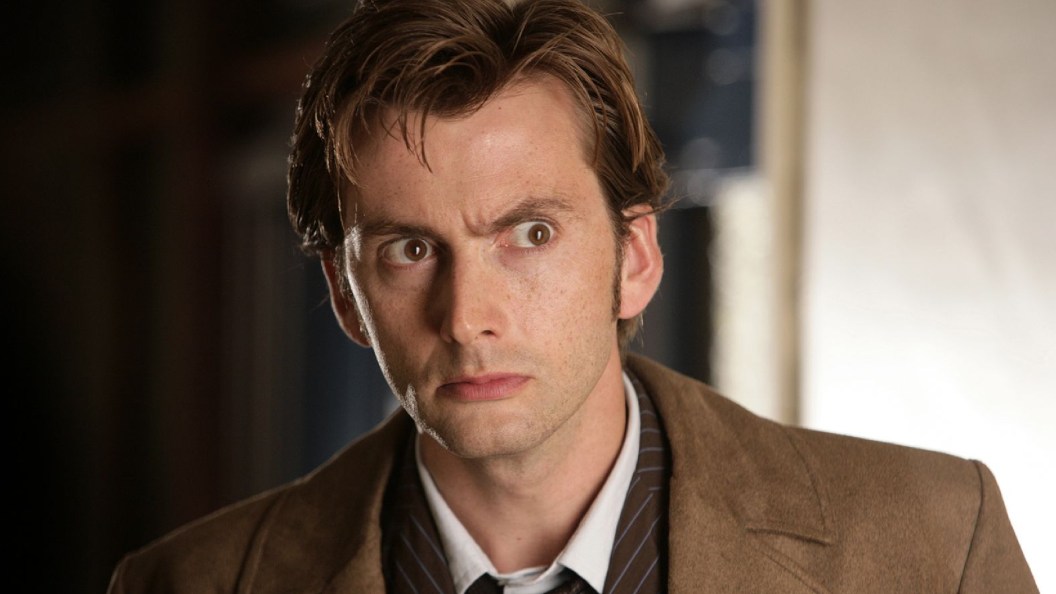
David Tennant's potential return to Doctor Who is reportedly under discussion as the BBC prepares a major relaunch for the venerable series.
Reports indicate that Dean Devlin’s Electric Entertainment has engaged in preliminary discussions with the BBC regarding the future of Doctor Who. Central to these talks is the reported outreach to actor David Tennant, exploring the possibility of his return to the iconic role he previously inhabited as both the Tenth and Fourteenth Doctor, signaling a significant creative direction for the long-running sci-fi series.
This development unfolds as the BBC prepares to put Doctor Who out for competitive tender, a mandatory process under its charter requiring 100% of eligible shows to be tendered by next year. While initial reports caused fan concern over cancellation, the move is a procedural requirement, with even flagship series like Strictly Come Dancing slated for tender in 2027, highlighting a broader shift in BBC commissioning.
Electric Entertainment's interest is notable, particularly given David Tennant’s prior collaboration with the studio, having starred as a villain in their 2018 thriller Bad Samaritan. The discussions are reportedly taking place ahead of the BBC’s official Invitation to Tender (ITT) document, a practice the broadcaster acknowledges as part of assessing market interest before formal pitches are invited.
The tendering process for Doctor Who is proving to be exceptionally high-profile, drawing considerable journalistic and fan attention. Former showrunner Steven Moffat previously suggested that studios were already formulating their bids, lending credence to the idea of off-the-record discussions occurring. This intense scrutiny explains why details of these preliminary conversations are now entering the public domain.
While the prospect of Tennant’s return appeals to many, it also sparks a broader conversation about the show's creative trajectory. A previous return for three specials during Russell T. Davies’ second tenure, dubbed "RTD2," did not significantly boost viewership and coincided with the conclusion of the BBC’s partnership with Disney+. This history fuels a desire among some for a fresh, forward-looking vision rather than a reliance on past successes.