A fan rebellion and pressure from the Burroughs estate led to Jesse Marsh's departure from Tarzan comics in 1965.
By 1962, fans of Edgar Rice Burroughs’ Tarzan launched a rebellion against artist Jesse Marsh. Marsh had helmed the Dell-Western iteration since 1948, drawing over one hundred issues of Tarzan, making him the only artist many younger readers knew. Yet, outcry was almost unanimous, criticizing his antiquated, static style, frequent anatomical errors, and drab action sequences.
Marsh's health was in rapid decline, with diminishing eyesight from diabetes further simplifying his art, defined by bold colors, strong chiaroscuro, and limited linework. The Burroughs estate joined fans lobbying for his removal, seeking a "more sophisticated artist" to represent the franchise, perhaps recalling Burne Hogarth's iconic, robust designs.
The editorial team initially resisted pressure, but in 1965, the estate prevailed. Marsh's pupil, Russ Manning, took over art responsibilities for all Tarzan stories, and Marsh passed away a year later. Modern readers often rank Marsh's run below Hogarth's dynamic 1940s work or Joe Kubert's seminal 1970s DC series, which emphasized bodies in action.
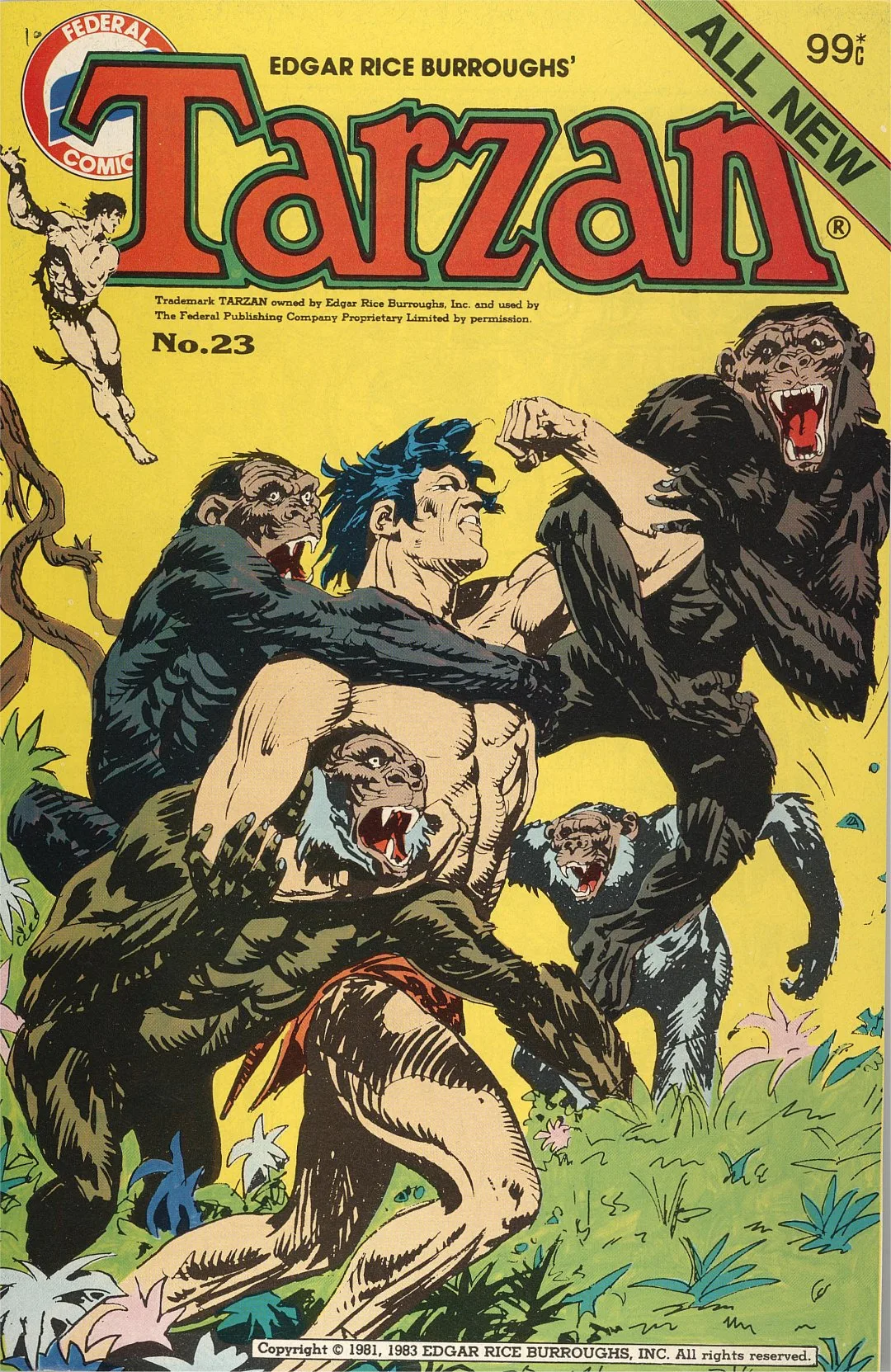
Hogarth and Kubert prioritized action comics, filling them with intrigue, suspense, and seductive bodies—elements Marsh's iteration notably lacked. Even Manning's work on the character soared ahead of his mentor in melodrama and fantastical imagery. A comparison of their animal designs, from Manning's monstrous vultures to Marsh's merely glaring ones, highlights this difference.
Marsh, a famously quick artist, reportedly completed an issue in a weekend, believing cartoonists shouldn't labor excessively. He advised Manning that "boldness" meant clarity of subject and simplicity of background. Marsh often placed Tarzan in silhouette, far in the background, emphasizing shadow and darkness, a style influenced by ukiyo-e woodblocks.
This unique approach, seen in the stark, undefined night skies of Harunobu's prints, created a world that appeared "severed, emaciated under an encroaching darkness." Marsh's "absolute reality" style, developed with writer Gaylord DuBois, presented a comparatively monocultural biosphere where animals hunted alone and apes looked morose, accepting apparent nothingness.