Gene Luen Yang explains how the stark contrast between early Teenage Mutant Ninja Turtles iterations fueled his passion for the heroes.
Gene Luen Yang, the writer behind the recent 300th issue of Teenage Mutant Ninja Turtles, discussed the franchise's unique versatility. He revealed that the starkly different tones of the original Mirage comics and the subsequent 1980s animated series were key to his early fascination with the iconic heroes. This contrast, he notes, showcases the characters' adaptability across various storytelling contexts.
Yang recounted his first encounter with the Turtles through a gritty, black-and-white Mirage comic in sixth grade. This dark, violent portrayal was soon followed by the "happy and bouncy and colorful" 80s cartoon, which presented an almost opposite interpretation. He believes this inherent duality is central to the Turtles' identity, allowing them to function effectively in both comedic and horror-driven narratives, much like Batman.
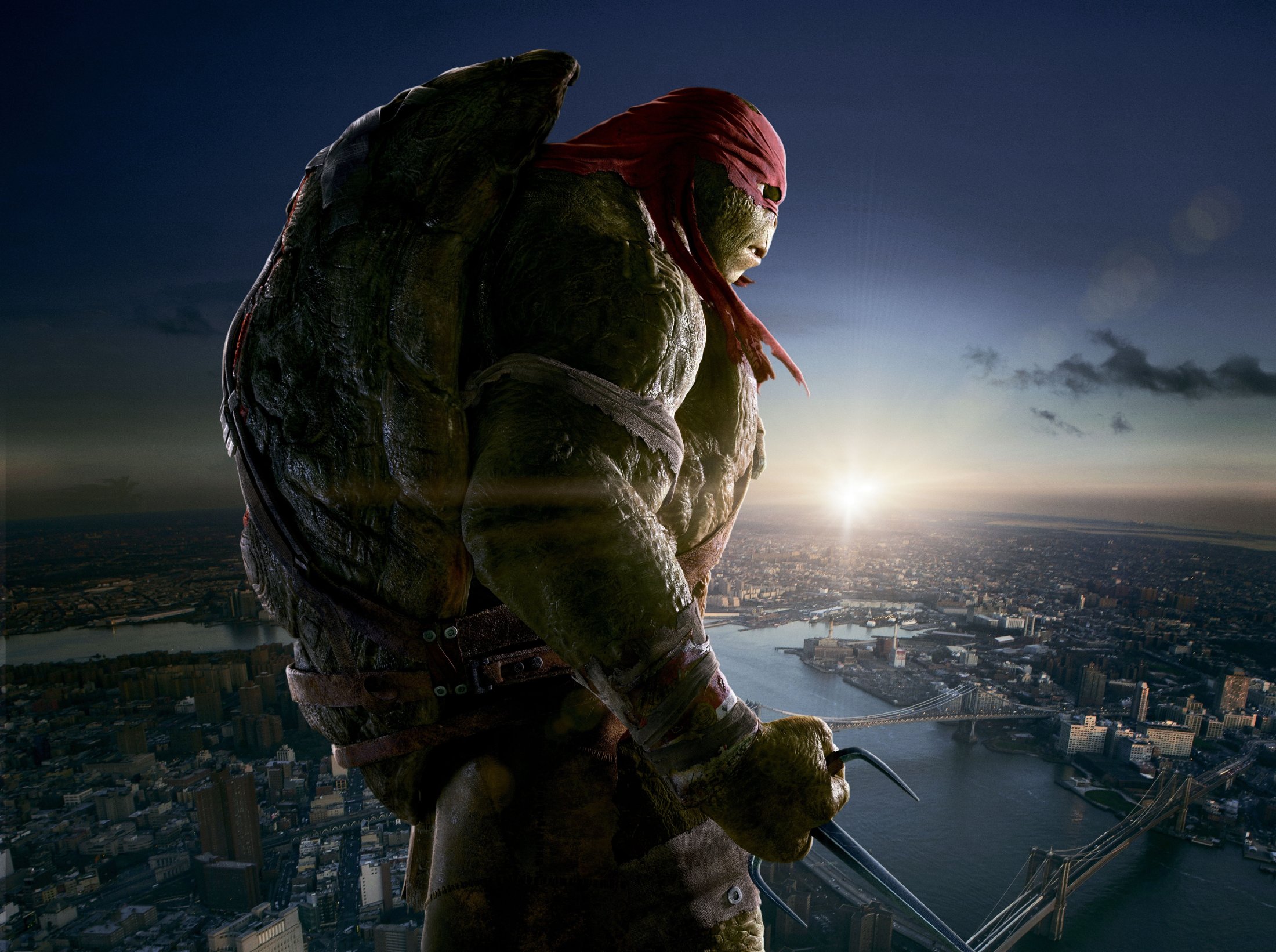
The property has consistently shifted between these two extremes throughout its history. The original live-action film balanced a grittier tone with lighthearted moments, while its sequel leaned lighter. Subsequent adaptations like the 2017 reboot and Mutant Mayhem explored various points on this tonal spectrum, demonstrating the characters' enduring flexibility across different media.
On television, the 2003 animated series adopted a more adult, PG-13 tone after the overly campy Next Mutation. Later iterations, such as the 2012 series and Rise of the Teenage Mutant Ninja Turtles, continued to experiment with tone. In comics, IDW's franchise built an immersive world with adult themes, culminating in the darker Last Ronin story, which echoed the original comics' edge.
The latest IDW run maintains this tradition, embracing heavier themes while still incorporating lighthearted fun. Yang's observations underscore that the Turtles' ability to seamlessly transition between vastly different narrative styles is a fundamental reason for their sustained popularity and cultural impact across decades of comics, television, and film.