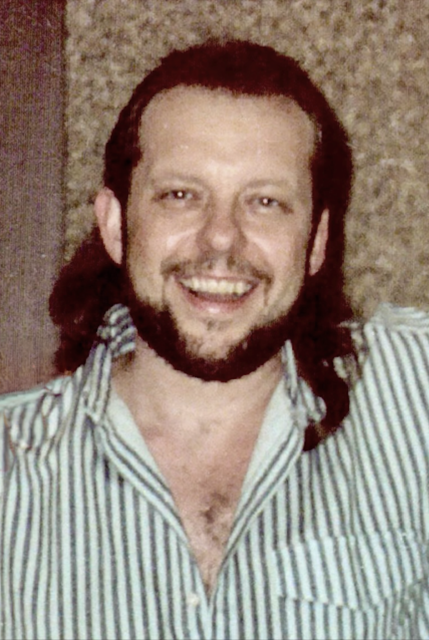
Gerry Conway, the groundbreaking writer who took over Amazing Spider-Man from Stan Lee, has passed away at 74.
Gerry Conway, the writer who took over Amazing Spider-Man from Stan Lee, has died at 74. His passing was reported. Conway was a significant figure in comics, becoming the permanent scripter for Marvel’s flagship title just four months after his 20th birthday.
Conway began his career in science fiction, publishing his first short story in 1970. By 1969, he had already sold his first comic story to DC Comics. He quickly became a prominent voice in the wave of mystery and horror anthologies emerging from major publishers.
He was part of a new generation of creators who grew up reading comics, viewing the medium as a vocation rather than just a job. Conway articulated this professional ambition early on, telling Indiana University students in 1972 that "We are not hacks." He emphasized that writers and artists were professionals choosing to work in comics.
Conway's background was working-class Brooklyn. His parents, from a blue-collar world, did not initially support his aspirations, viewing writing as an unstable profession. He found escape and inspiration in science fiction and comic books during his youth.
Even as a teenager, Conway actively pursued his career goals. He visited DC Comics offices and wrote to Marvel's letter pages. At 16, he secretly attended the World Science Fiction Convention in St. Louis, demonstrating an early commitment to the field.
His first novel, "The Midnight Dancers," was published by Ace less than a year after his first science fiction story appeared. The novel was featured in The New Yorker, though Conway himself admitted it may have been too ambitious for a debut work.
Conway's early professional achievements set him apart. Classmates at the Clarion Workshop recalled him having an aura of minor celebrity, as he was the only one who had already sold published work. This early success marked him as a rising talent.
Conway's influence extended beyond his writing. He was a professional who believed in the artistic merit of comics, aiming to entertain and uplift audiences. His work challenged perceptions of comic book creators as mere hacks, positioning them as serious artists.