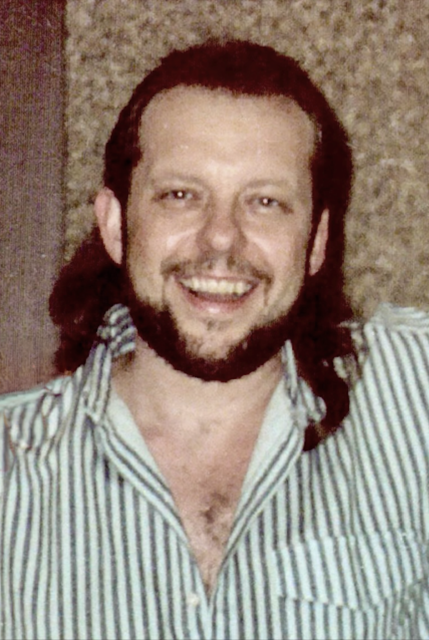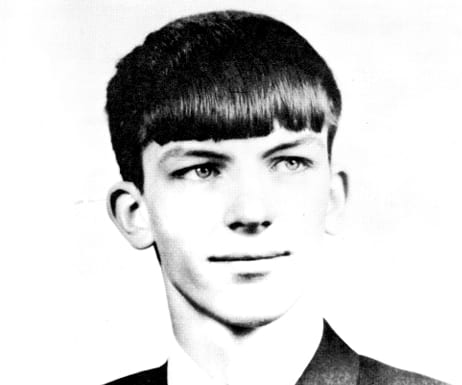
The Comics Journal reexamines Jim Shooter's legacy, highlighting his precocious start as a teenage writer for DC Comics.
The career of Jim Shooter has been revisited, focusing on his remarkably early start in the industry. Shooter began writing for DC Comics at the age of 14, a fact highlighted in a recent examination of his legacy.
By 1974, Shooter was 23, a college dropout working odd jobs. He had recently left a management position at a fried chicken restaurant and was considering returning to school. At this point, he seemed indistinguishable from many other young men in declining industrial towns.
However, Shooter's youth was marked by a brief period of significant success. His first comic book scripts were sold to DC Comics editor Mort Weisinger when Shooter was just a high school freshman. These early works included stories for Supergirl and Superman.
Shooter's initial submissions to Action Comics demonstrated a keen ability to mimic the established style of Superman stories. His second submission, "Power of the Parasite," featured his own layouts, which were then penciled by Curt Swan. The resulting action sequence was noted for its effectiveness, if not its artistic innovation.
His most notable work during his teenage years was on the Superboy spinoff, Legion of Super Heroes. Shooter established a reputation on this title between 1966 and 1969, a feat made more impressive by Weisinger's general practice of not crediting writers or artists.
Weisinger recognized Shooter's potential as a marketing asset. The young writer's name began appearing not only in comic book letter columns but also in syndicated newspaper articles. One headline promoted the "boy cartoonist" from Bethel Park, Pennsylvania.
Despite the attention, Shooter's early stories often mirrored elements from Jack Kirby and Stan Lee's Marvel Comics. Characters like the Frightful Four and concepts such as Galactus and the Ultimate Nullifier found parallels in Shooter's work, appearing as the Fatal Five, the Sun Eater, and the Miracle Machine.
Beyond plot similarities, Shooter's writing possessed a unique emotional sincerity. His first Legion story, featuring Ferro Lad's self-sacrifice, resonated with a teenage perspective on seeking acceptance. This raw connection to his characters was something older writers struggled to replicate.
Shooter himself stated that economic necessity initially drove him to write comics for his family. However, as his career progressed, recognition became a primary motivator. He found validation in newspaper articles and magazine features that highlighted his status as a young talent.