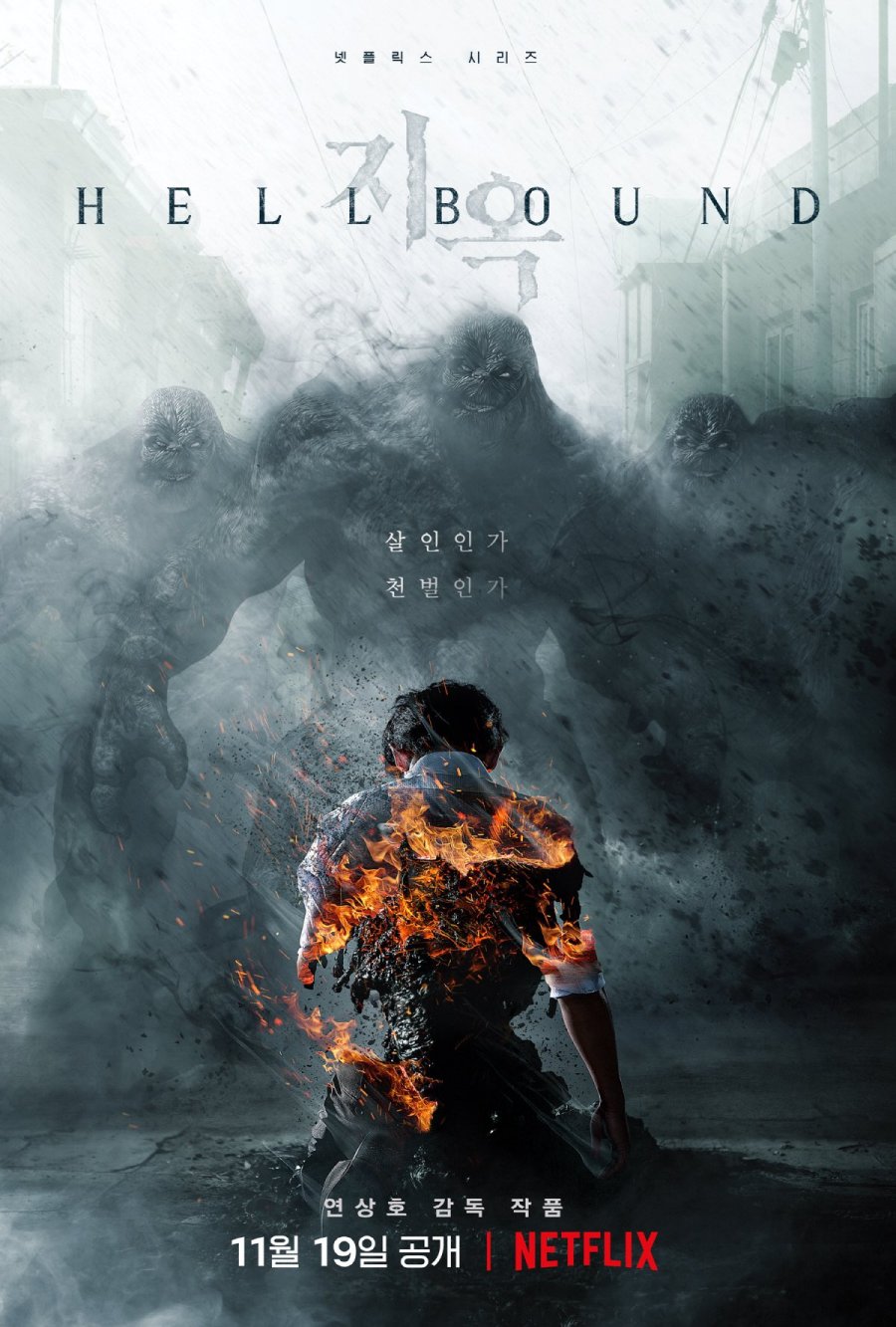
Most webtoon adaptations lose something on the way to the screen. Hellbound didn't, and the reason is simple: the people who drew it also made the show. Writer-director Yeon Sang-ho and illustrator Choi Gyu-seok never handed their story to Netflix and walked away. They carried it from page to screen themselves, and they kept the dread and the hard moral questions that made the webtoon so hard to shake.
Hellbound goes back much further than the Netflix show. Yeon first sketched the idea, beings that appear out of nowhere to drag people off to damnation, in a 2002 animated short called The Hell, then expanded it the next year into The Hell: Two Lives. He turned the concept into an early Hellbound webtoon that ran from 2009 to 2011, and in 2019 he reimagined the whole thing as a new webtoon drawn by Choi Gyu-seok. It was this reimagining that Netflix ultimately brought to the screen. While the series draws heavily from the 2019 webtoon, it isn't a panel-for-panel adaptation. Instead, it expands the story, deepens its characters, and takes full advantage of the possibilities of live action.
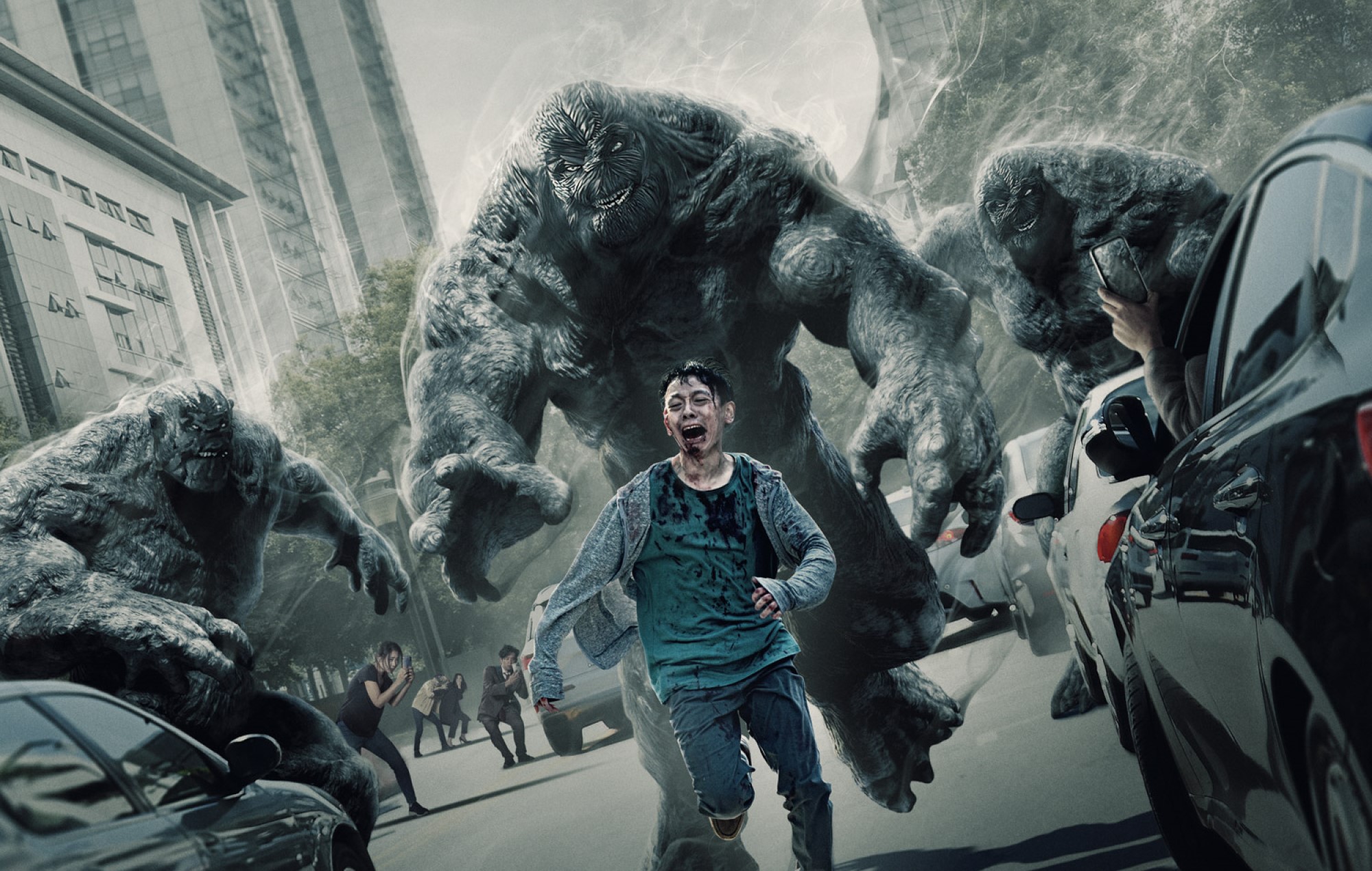
What is striking is how little the show tries to impress you. Yeon could have leaned into the horror and built a monster spectacle. Instead he keeps his eyes on the people. The decrees, the public executions, and the cults that grow up around them all stay faithful to the webtoon, but the series has more room to sit with its characters and watch fear and blind faith bend a whole society out of shape. It cares less about the monsters than about how everyone reacts to them.
The people who drew it also made the show
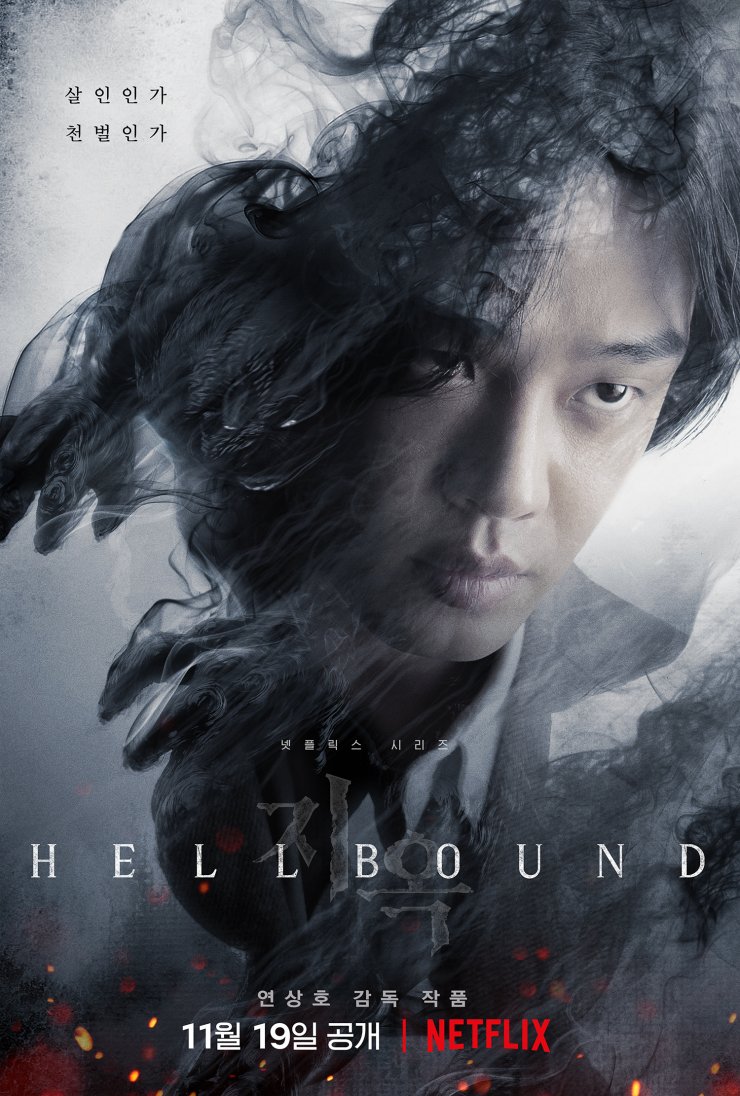
Leaving the page also let Hellbound stretch out visually. The adaptation reimagines the webtoon's stark imagery through moody cinematography, understated performances, and restrained visual effects. Yeon builds most of the tension from atmosphere instead of CGI, so when something supernatural finally does appear, it feels both shocking and oddly believable. The world grows bigger without losing the queasy tone of the original.
Plenty of adaptations drift once new writers take over the later seasons. Hellbound has not, because Yeon and Choi are still steering it. After the first season landed, the two expanded the mythology in a sequel webtoon, Hellbound 2: The Resurrected, and much of that fed straight into Netflix's second season, which arrived on October 25, 2024. Instead of running the same premise again, the new episodes dig into resurrection, shifting power, and what happens when belief goes unquestioned, pushing into murkier moral territory.
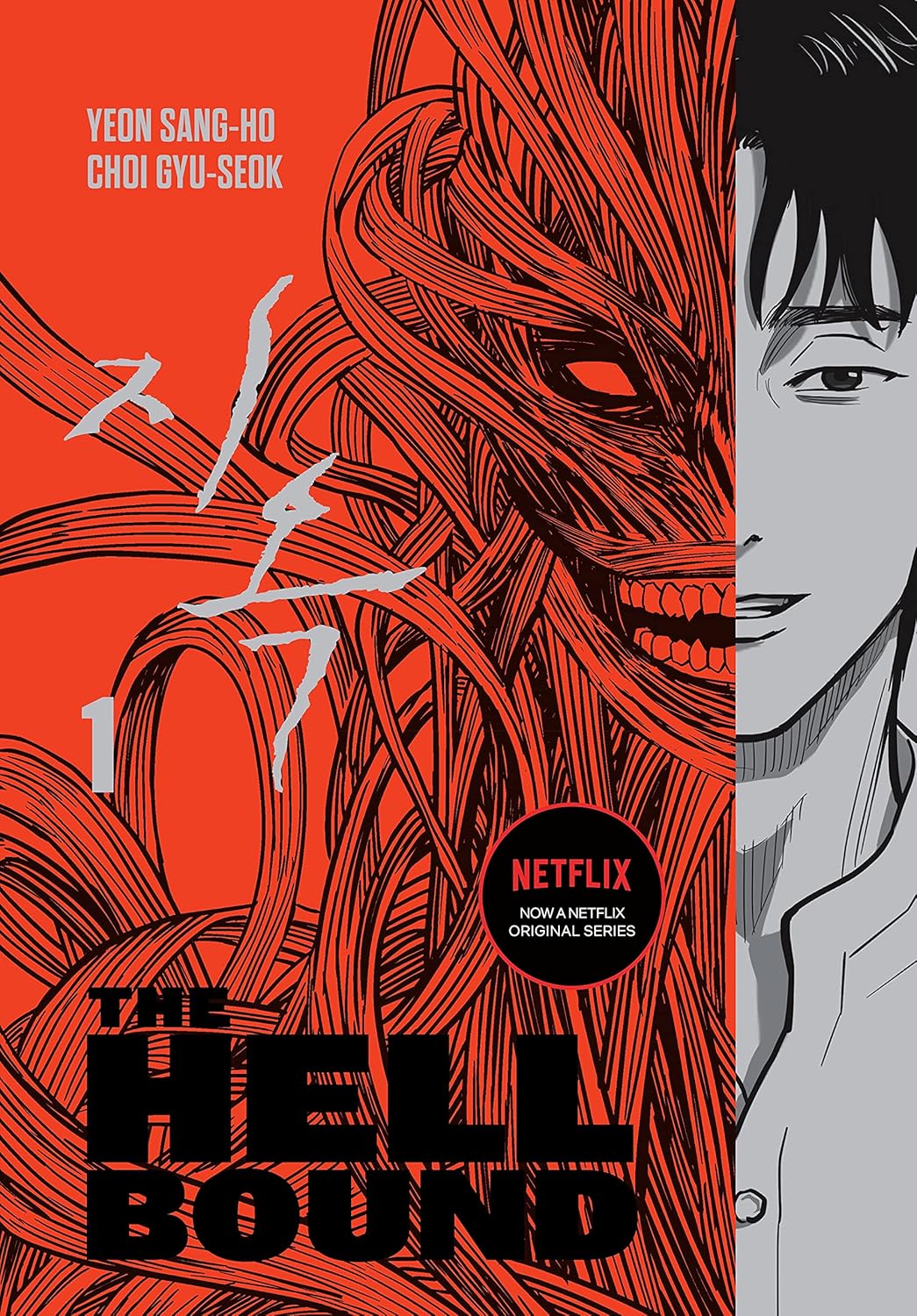
Season two also brought a big change behind the camera. Kim Sung-cheol took over the role of Jeong Jin-su after Yoo Ah-in left the project. Even so, the show never lost its footing, with Yeon directing and co-writing every episode alongside Choi. Two seasons in, Hellbound remains one of Netflix's most acclaimed Korean originals, and a clear case that a webtoon can reach live action without leaving behind the ideas that made people care in the first place.