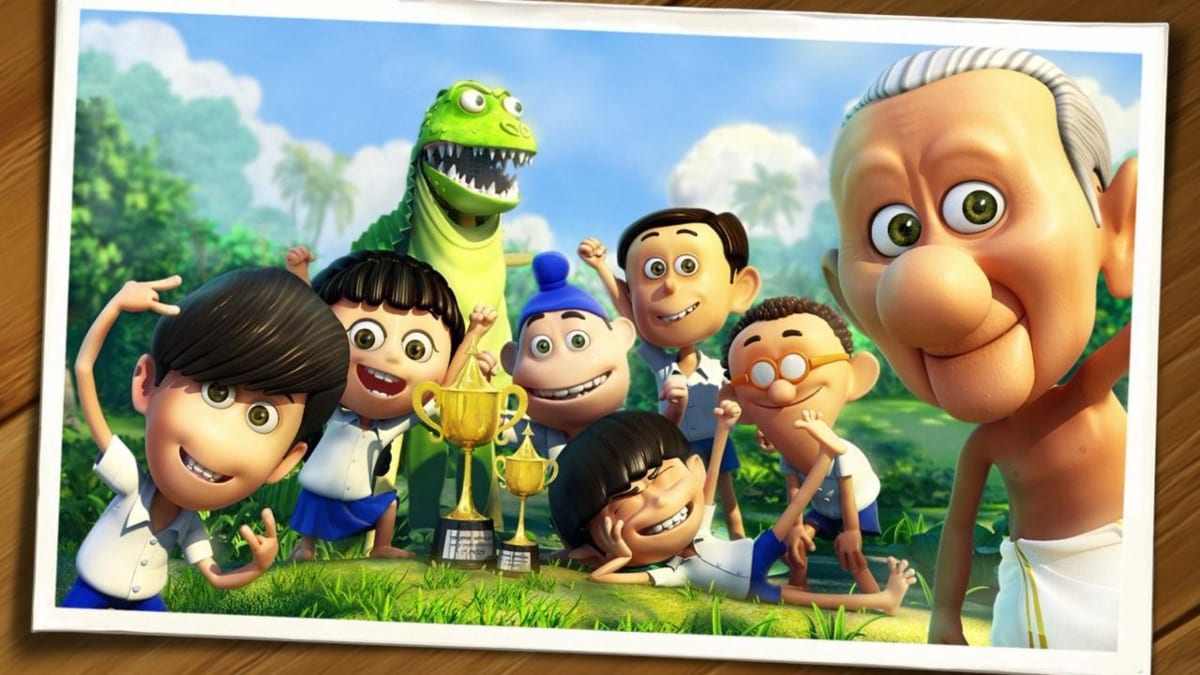
There is a formula in Indian animation now, and everyone in the industry can recite it: put gods on the poster and the theatres fill themselves. Return of the Jungle is a film built, almost stubbornly, against that formula. No avatars, no borrowed Hollywood faces. Just a nine-year-old boy, the class bully, and a grandfather on a charpai who fights the battle the only way grandfathers know how: with a story.
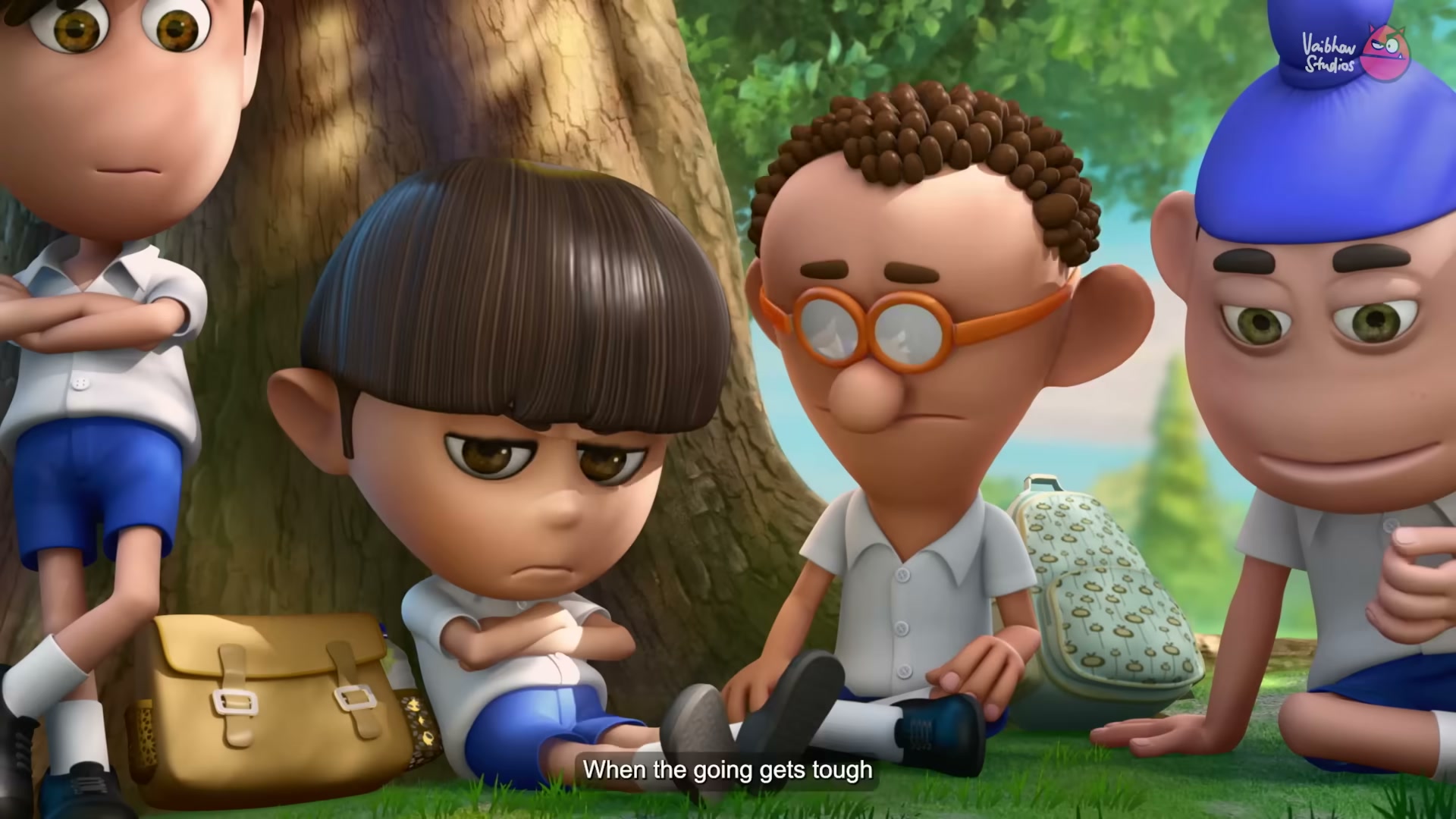
The setup is small on purpose. Mihir, nine, shares Class 4-B of a Kendriya Vidyalaya with the school's resident terror, Rahul Malhotra. Every school has one, and the film knows you remember yours. Mihir and his friends cannot fight him. So his grandfather, Thatha, does what the film's title promises: he takes the children back to the jungle, one told-tale at a time.
In Indian animation, gods sell out theatres. A nine-year-old named Mihir, apparently, does not.
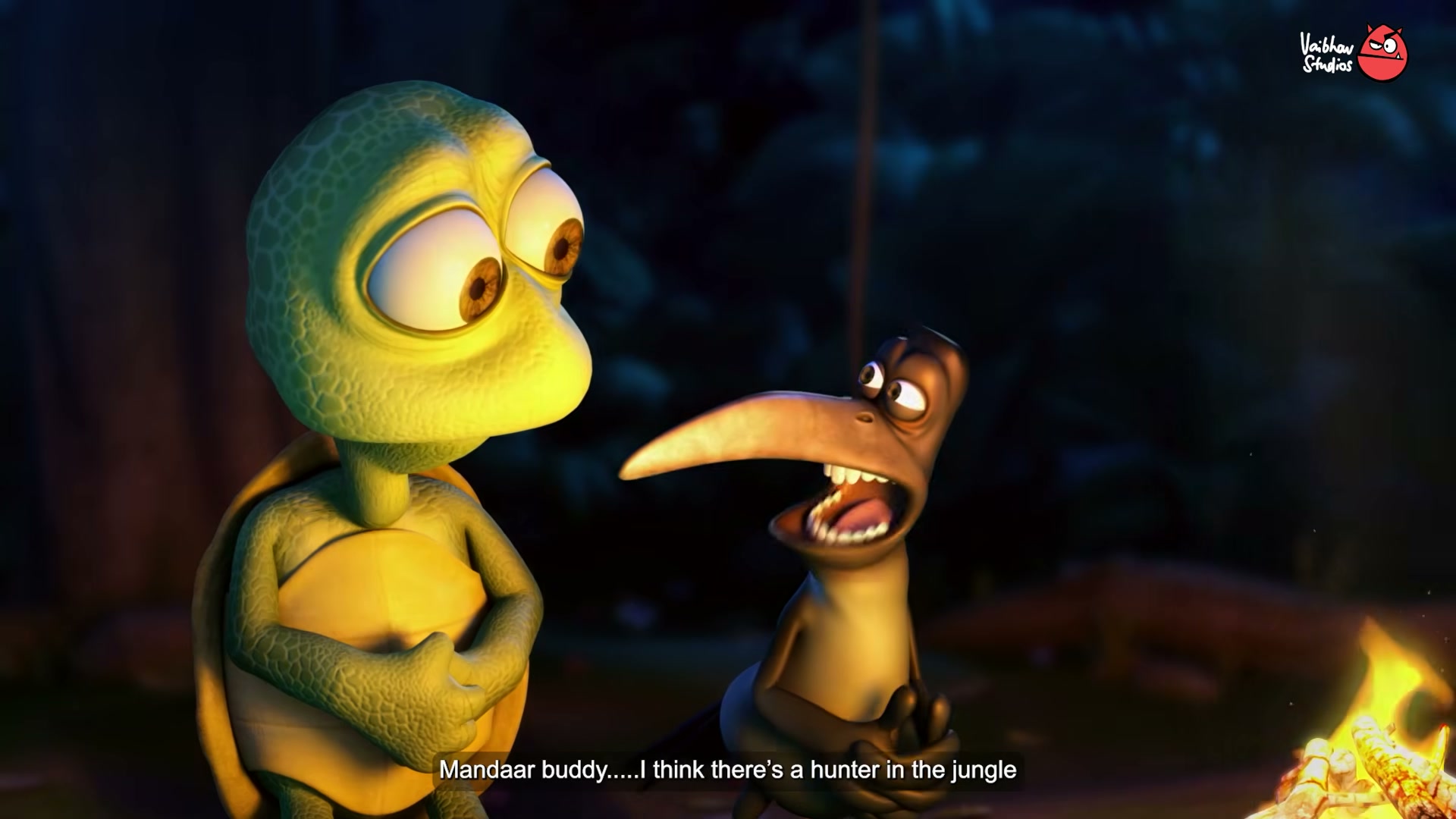
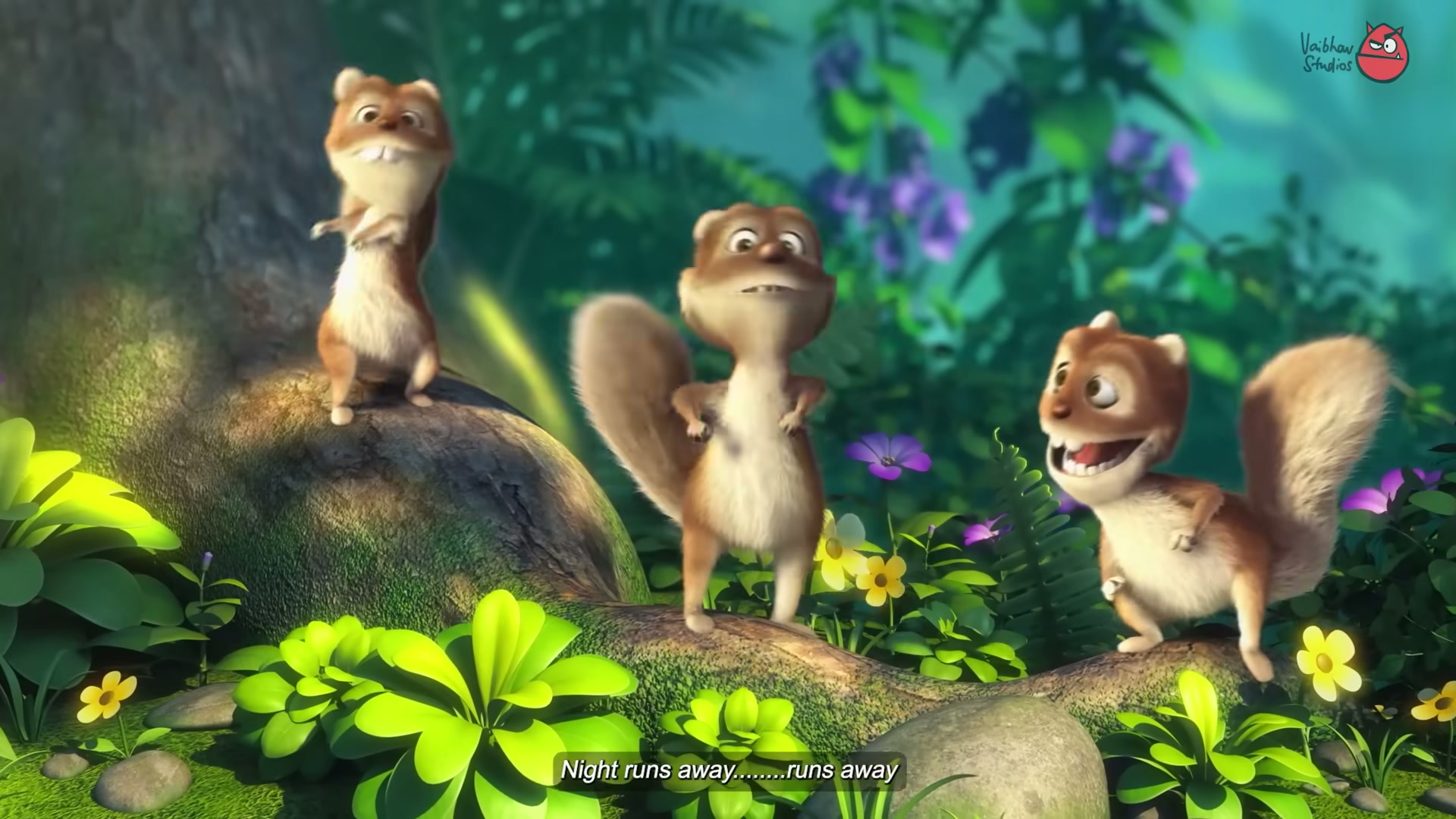
That frame is the film's best idea. Each jungle story maps precisely onto the playground war the children are losing: a lion holding court, a jackal whispering schemes, a tortoise outlasting a hare. The story ends in the jungle; the courage begins in Class 4-B. It is the Panchatantra doing what the Panchatantra was always for, and the film trusts the oldest storytelling machine in the country to still work. It does.
The man telling it has been rehearsing for decades. Vaibhav Kumaresh founded Vaibhav Studios in 2003 and made some of the most-loved animation this country has produced without most people knowing his name: Channel V's Simpoo, the Vodafone ZooZoos' digital 3D, and Lamput, the orange runaway blob Cartoon Network aired around the world. Return of the Jungle is his first feature: a fifteen-year passion project, self-funded, made by a team of eighteen, and showcased at Cannes before its May 29 release.

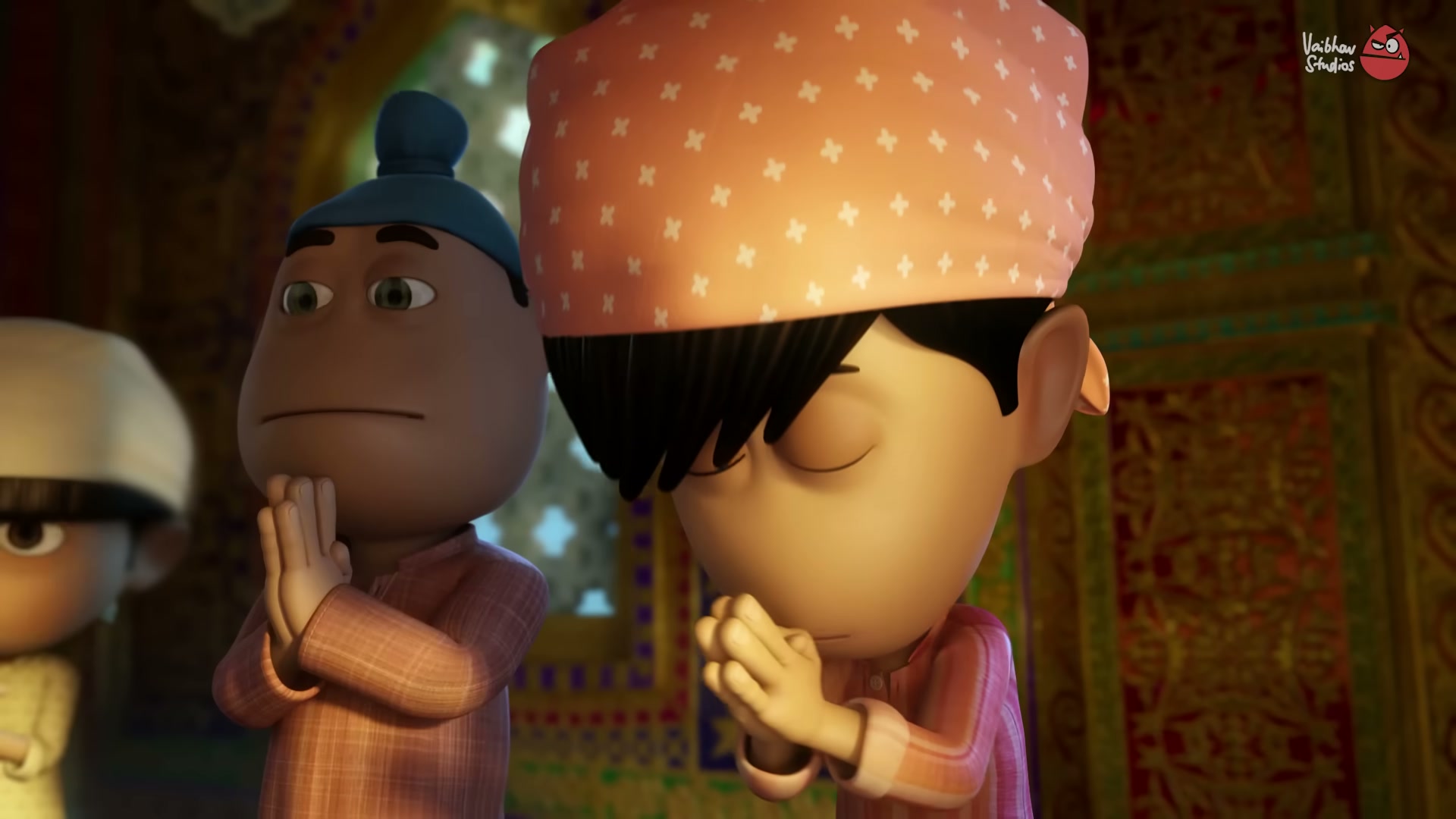
What the eighteen of them put on screen is startlingly assured. The animation is fluid and expressive, the faces do small, recognisable Indian things. The film's texture is a Kendriya Vidyalaya, a mohalla, a courtyard cot, rendered with the specificity of people who lived it rather than researched it. Roto Shah and Advait Nemlekar's score runs on bhajans and folk melodies; Jangalam Mangalam is an honest earworm, and the Aaye Hain Bhagwaan number lands the film's gentlest joke: the only gods here are the ones a school play can afford.
Honesty requires the other column too. The plot is predictable. You will call the ending from the first act, and you will be right. The second half leans on its songs a beat too long, and the film is content to stay warm where it could occasionally cut deep. This is not a hidden masterpiece. It is a clean, sincere, handmade family film, built for children and, like its best characters, entirely unembarrassed about it.
Now the uncomfortable part. Return of the Jungle opened on May 29 to some of the warmest reviews an Indian animated feature has received, and to near-empty halls. There was no promotion budget to speak of, and few screens. Most of the country never learned the film existed. Meanwhile, the industry's recent case study points the other way: mythology on the poster, hundreds of crores at the box office. The formula holds. Gods sell. Mihir, apparently, does not.
Which is exactly why this one matters. India has spent two decades asking where its Pixar is. Here is a man who answered with his own money, his own studio, and a story that could not have been made anywhere else on earth, and the answer was met with a shrug and a think-piece. Films like this do not survive on reviews. They survive on Friday decisions.
It is still holding a few screens, and an OTT release is expected soon. If there is a child in your house, or a grandfather-shaped memory in your head, this is the ticket to buy. Bring the kids. Stay for the songs. And notice, on the way out, that nobody needed a god to make them laugh.
And if you would rather hear the argument than read it: our full video review, in Hindi, walks the whole story, from the charpai to the empty ticket window.