Japanese comics have moved from allegorical kaiju narratives to direct political engagement regarding the nation's military role.
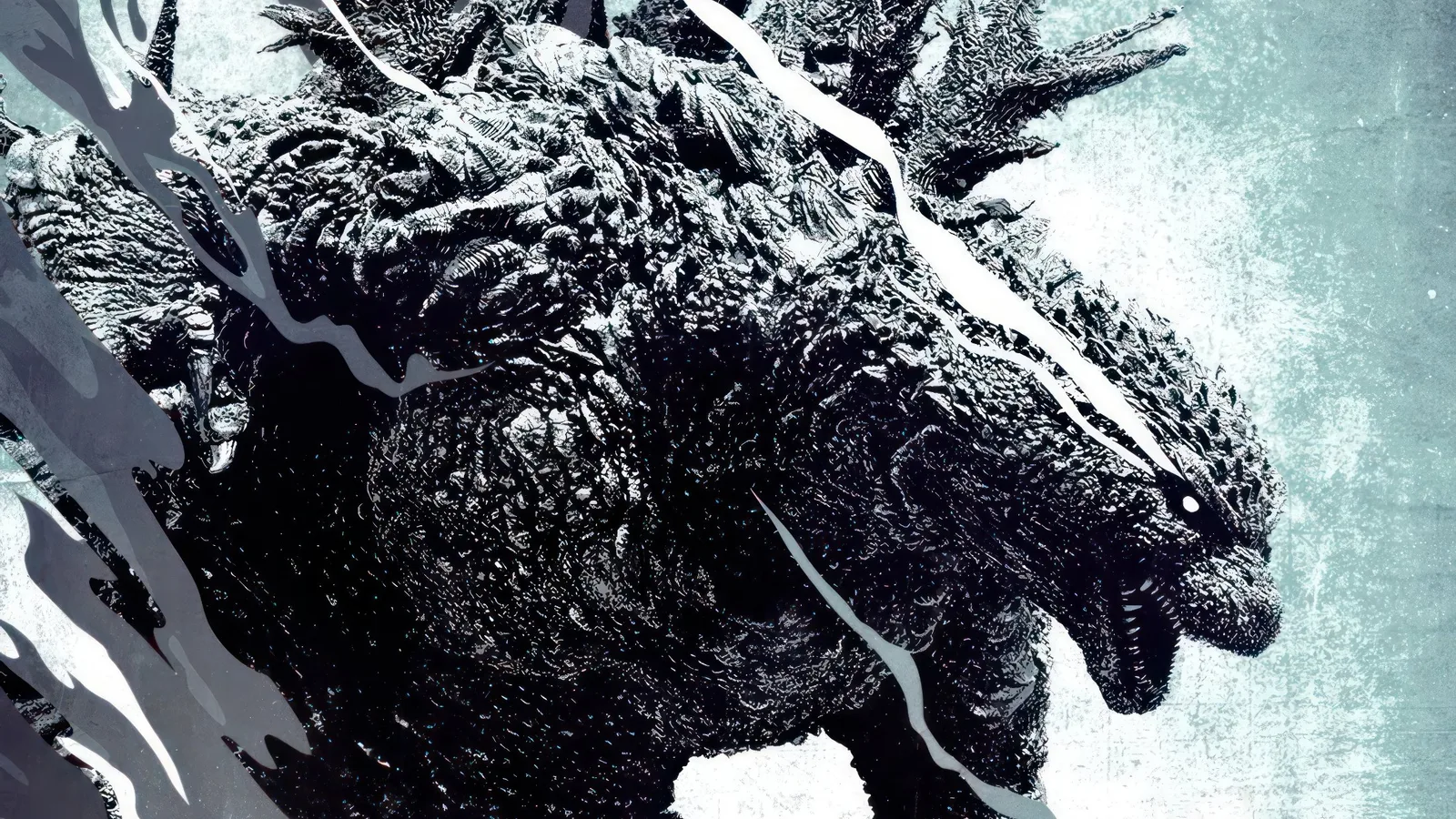
Japanese cinema historically used kaiju films, such as Godzilla, to allegorically explore the nation's constitutional dilemma regarding military force. This approach allowed for mass appeal while addressing sensitive political questions. However, a significant transformation occurred with manga like The Silent Service, which directly confronted these taboos, signaling a new era of political engagement in Japanese comics.
Kaiju films provided a framework for confronting how Japan should respond to external attacks given its renunciation of military force. The Self-Defense Forces (SDF), established in the same year Godzilla premiered, often took center stage in these films, serving as an overmatched foil that amplified the monsters' terror and grandeur.
The Silent Service, a maritime military manga launched in 1988, centered on Japan’s first nuclear submarine, which mutinies under its charismatic captain. Unlike earlier allegories, it directly addressed the U.S.–Japan security alliance and Japan's military capabilities, sparking widespread controversy and discussion, even being cited in Diet debates.
Japan's political landscape involves three camps: a pragmatic pro-American establishment, a principled camp seeking balanced international relations, and a critical camp spanning the ideological spectrum. These divisions influence how Japan navigates its security and foreign policy, reflecting ongoing debates about its post-war identity.
The shift from monster allegories to direct political narratives in manga reflects Japan's evolving public discourse on its military and sovereignty. This progression highlights a growing willingness to openly debate the nation's security posture and international relationships, moving beyond veiled metaphors to confront complex geopolitical realities head-on within popular culture.