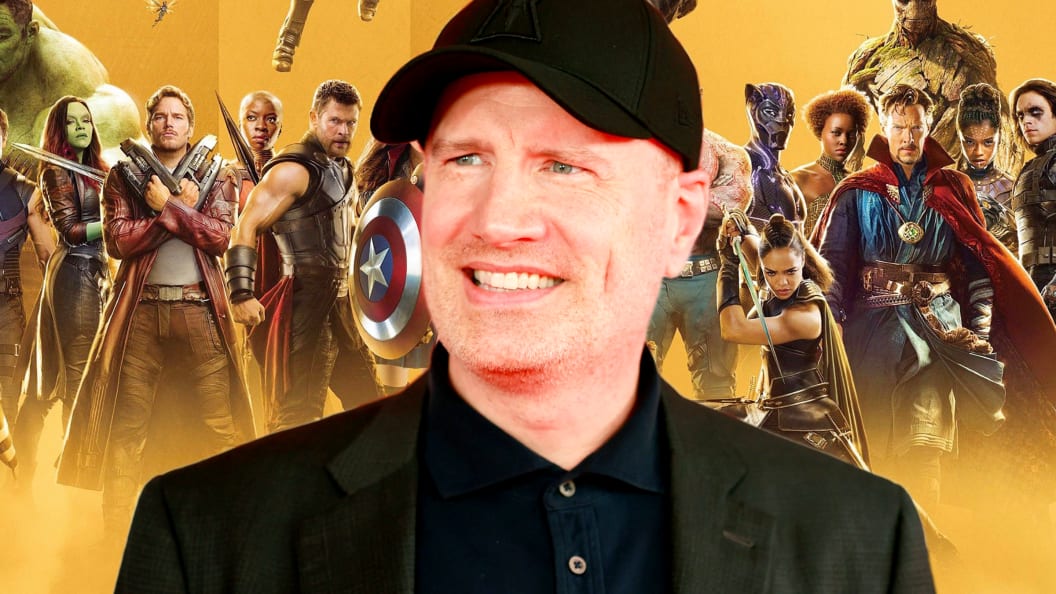
Marvel Studios' long-term cinematic strategy now reportedly spans two decades, reaching 2042.
Kevin Feige has revealed that Marvel Studios' ambitious cinematic roadmap now extends through 2042, a significant expansion of their previously disclosed timelines. This long-range vision underscores the studio's commitment to interconnected storytelling, even as Feige himself acknowledged the inherent fluidity of such extensive creative planning, stating, "As for whether we can hold on until 2042? Who knows. Will it be those movies that will be made? Who knows."
The announcement elicited a spectrum of responses from the dedicated fanbase. While some expressed enthusiasm for the prospect of experiencing these narratives across generations, others voiced skepticism, urging a focus on immediate quality over distant projections. Comments highlighted concerns about maintaining consistent quality and audience engagement, particularly given the perceived unevenness of recent phases and the challenge of retaining narrative coherence over such a vast period.
This extended timeline builds upon Feige's 2022 revelation, which initially projected plans through 2032. The additional decade now aligns with Marvel's strategic pivot towards a more measured output, reducing the annual number of film and television releases. This deliberate slowdown, aimed at re-centering the cinematic universe, may have naturally pushed certain projects further into the future, thereby lengthening the overall gameplan.
The question of whether such a distant horizon is sustainable arises amidst discussions of superhero fatigue within the broader pop culture landscape. While major tentpoles like Spider-Man: Brand New Day and Avengers: Doomsday continue to draw significant interest, the era of B- and C-list characters reliably anchoring blockbusters appears to be waning. Yet, the entertainment industry is inherently cyclical, suggesting a potential resurgence if upcoming projects like X-Men and Black Panther 3 resonate deeply with audiences.
Crucially, this 2042 projection is not a rigid blueprint, a point Feige himself emphasized, acknowledging that plans evolve. Even during Marvel's peak, adjustments were necessary, as seen with the Inhumans film. This flexibility is vital, especially considering the possibility that Feige may not be at the helm by 2042, allowing for a successor to potentially steer the MCU in new, unforeseen directions, ensuring the universe's continued evolution.