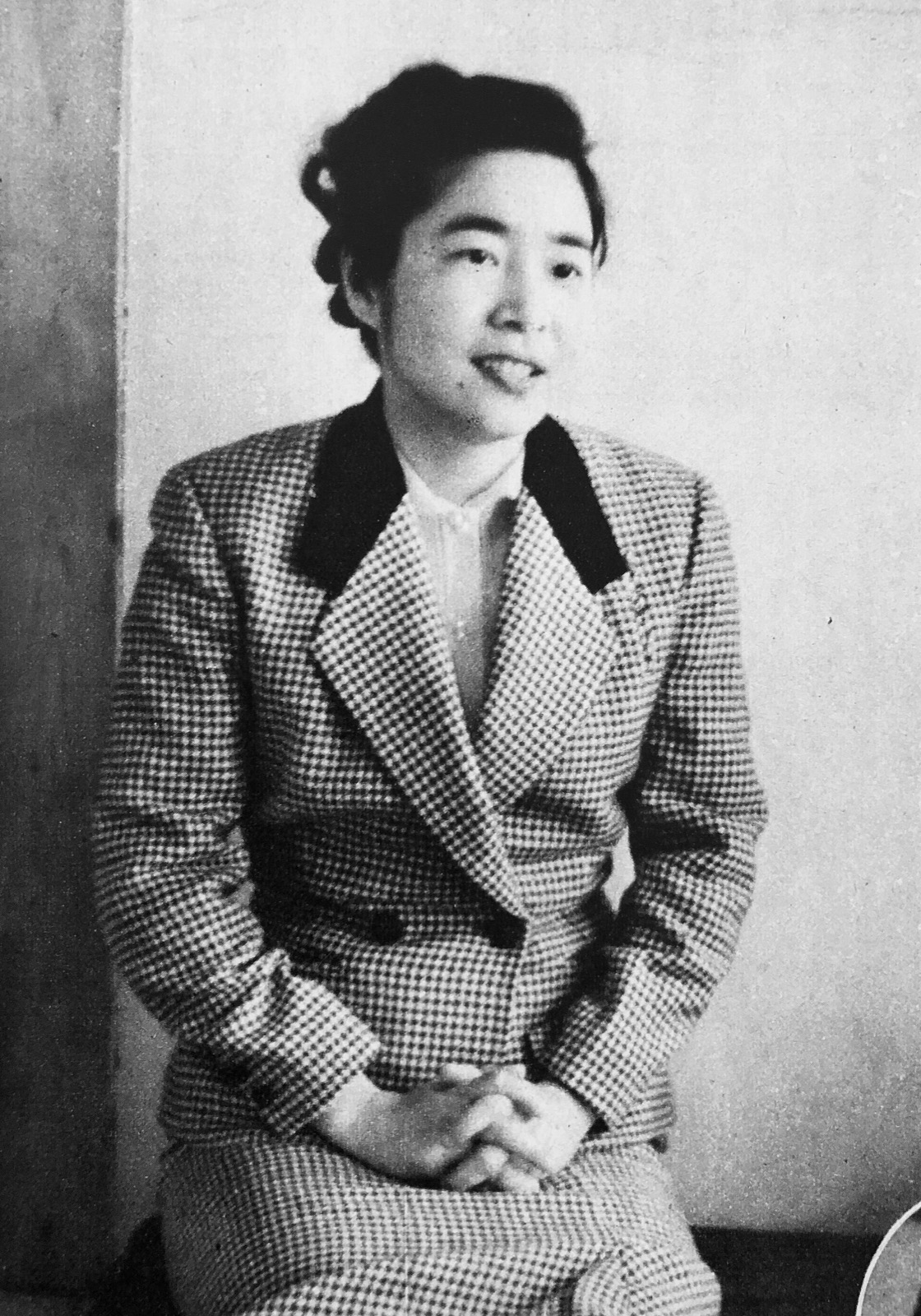
Machiko Hasegawa (1920 to 1992) was one of the first female manga artists. Her four-panel comic Sazae-san ran for decades and inspired the longest-running animated television series in the world.
Machiko Hasegawa was born on 30 January 1920 in Taku, Saga Prefecture. When she was 15 her father died and the family moved to Tokyo, where she took up drawing cartoons and began publishing in magazines and newspapers. She is remembered as one of the first female manga artists in Japan.
She launched Sazae-san in 1946 in her local paper, the Fukunichi Shinbun. When the major national daily Asahi Shimbun wanted her to draw the strip, she moved to Tokyo in 1949, explaining that her characters had relocated from Kyushu to Tokyo too. The first Sazae-san strip in the Asahi Shimbun ran on 30 November 1949.
Sazae-san is a yonkoma, or four-panel, comic about the everyday life of a bright, cheerful housewife and her extended family, the Isono and Fuguta clan. Hasegawa intended the family to embody the image of the modern Japanese family after World War II. Her comics were among the first to follow a consistent four-panel layout, which later became a standard form.
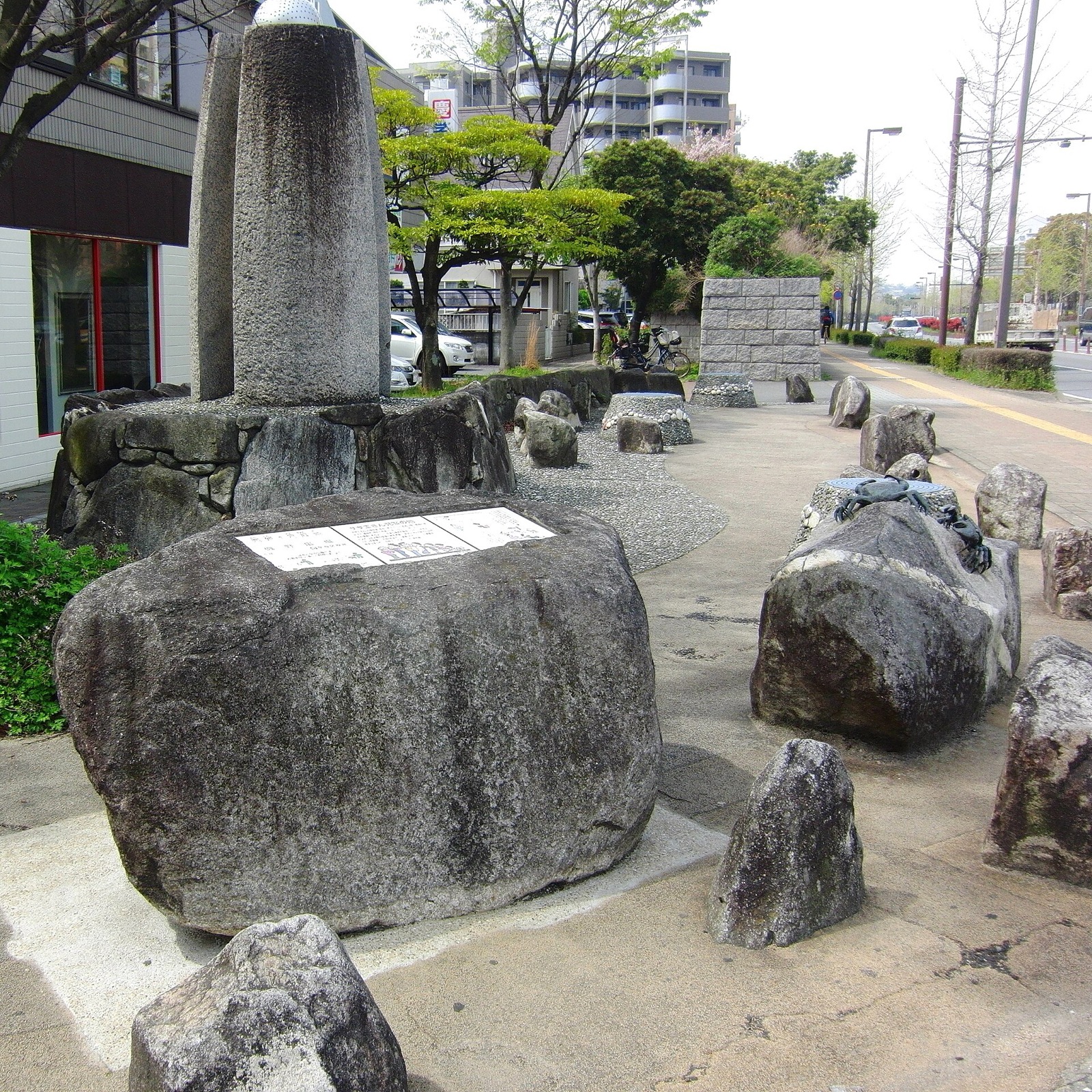
The strip ran daily until Hasegawa retired, with the final installment published on 21 February 1974. It was enormously popular: as of 1999 the manga had more than 86 million copies in circulation, ranking it among the best-selling manga series of all time.
An anime adaptation began airing in Japan in October 1969 and is still running, holding the Guinness World Record for the longest-running animated television series. The property was also adapted into a radio drama, stage plays and songs, cementing Sazae-san as a fixture of Japanese popular culture.
Hasegawa's work even helped shape Japanese law. A court case over a bus company's unauthorized use of the characters in promotions led to new copyright protections that treat fictional characters as identities in their own right, not only within their original series.
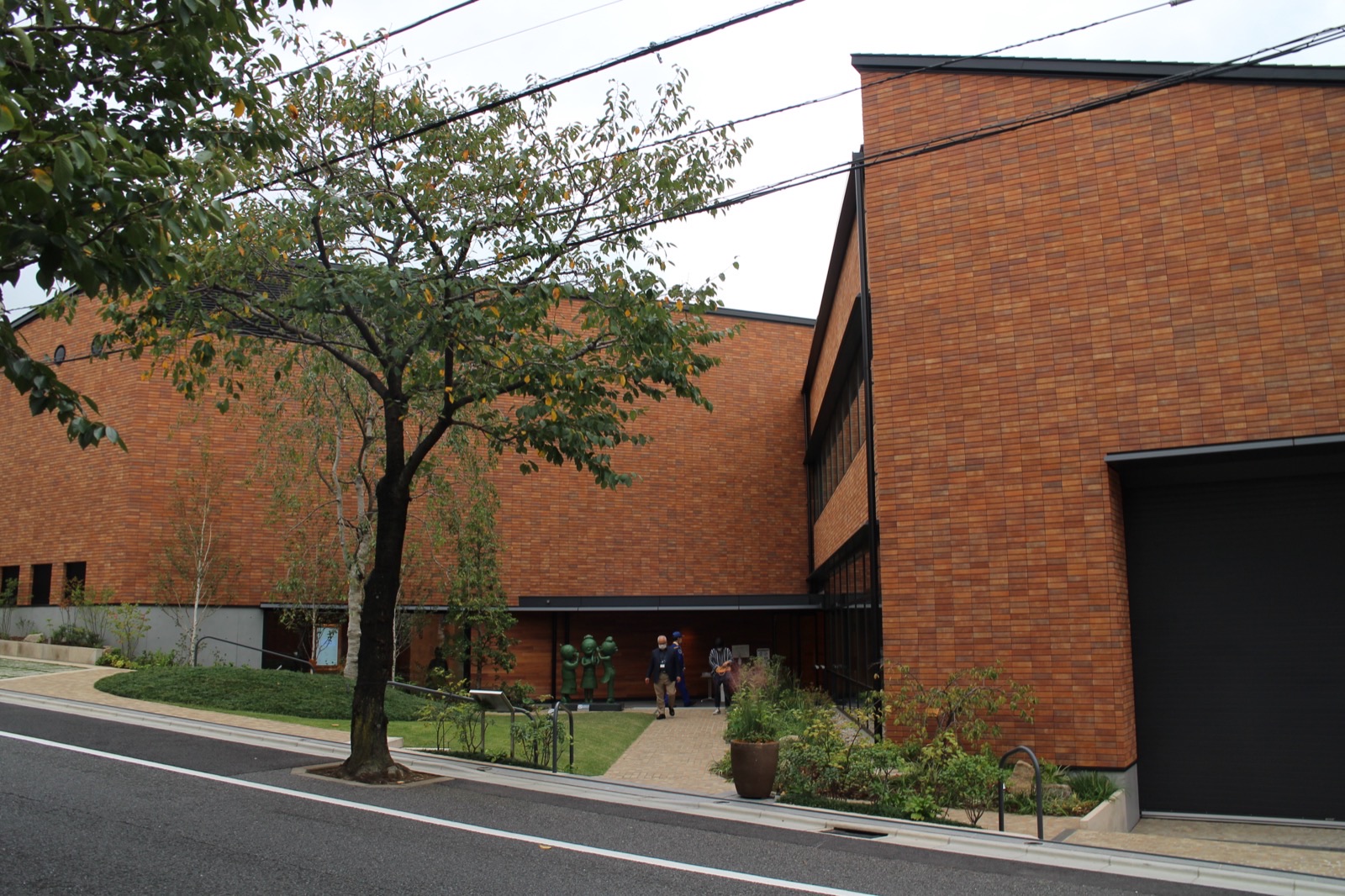
Honored repeatedly, Hasegawa became the first female manga artist to receive Japan's Medal of Honor with Purple Ribbon in 1982. She never married and lived with her sister Mariko; their art collection is housed in the Hasegawa Machiko Art Museum. She died of heart failure on 27 May 1992 at age 72.
Compiled from public records.