Mario Miranda (1926 to 2011) was an Indian cartoonist and painter whose densely populated drawings of Goan and Bombay life made him one of the country's most beloved illustrators. His recurring characters Miss Fonseca and Miss Nimbupani became household names.
He was born Mario Joao Carlos do Rosario de Brito Miranda on 2 May 1926 in Damao, then part of Portuguese India, to a Goan Catholic family. As a child he drew caricatures on the walls of his home until his mother gave him a blank book, and he began keeping diaries from the age of ten, sketching the life around him. His early cartoons captured vignettes of Goan village life, a theme he remained best known for throughout his career.
Miranda studied at St Joseph's Boys' High School in Bangalore and took a degree in history at St Xavier's College, Mumbai. He started his working life in an advertising studio, where he spent four years before turning to cartooning full time. His first cartooning job came at The Illustrated Weekly of India, which published some of his work and where he first found wide popularity.
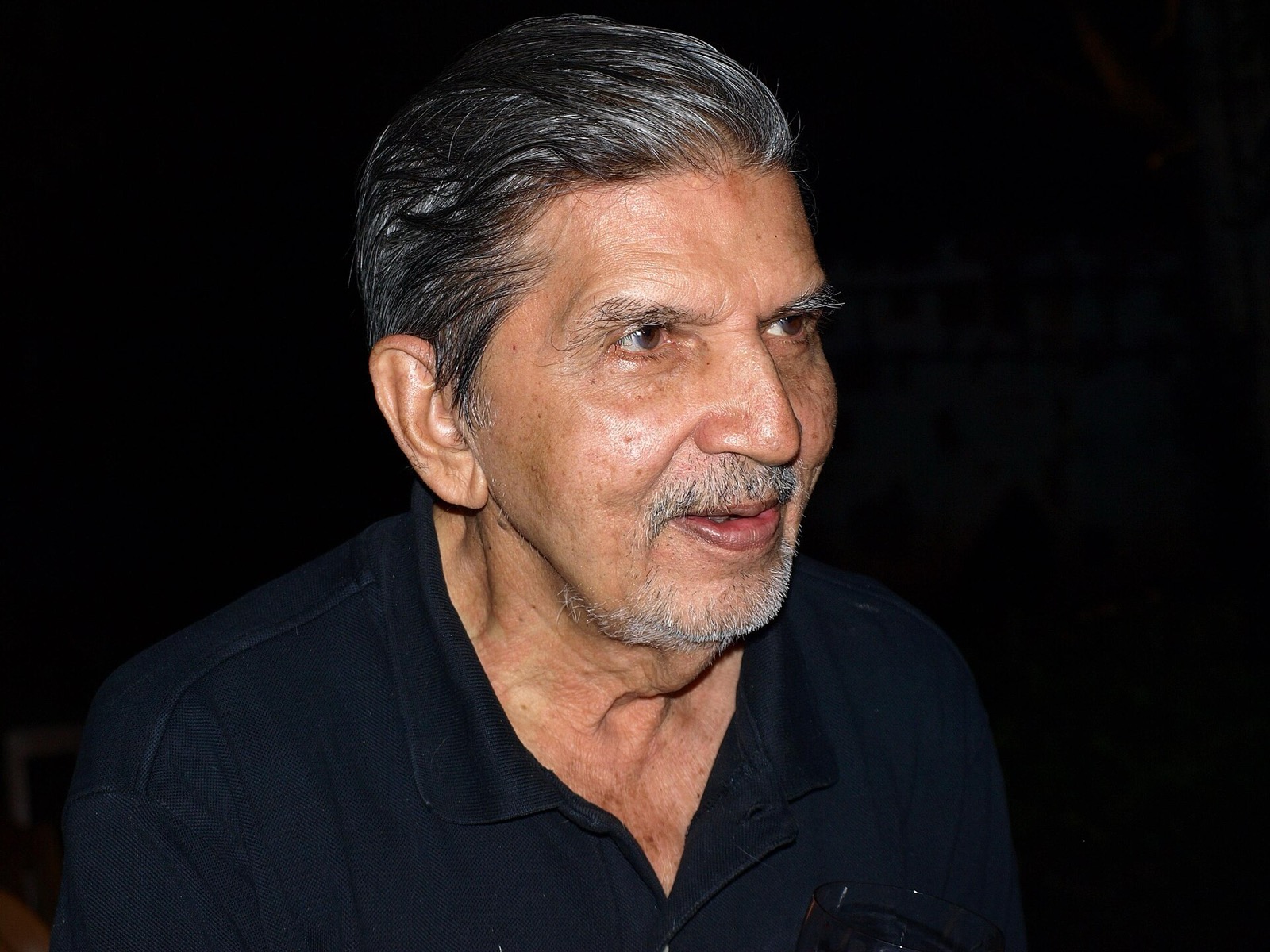
The Times of India, which had initially rejected him, later offered him a slot, and his creations began appearing regularly across leading publications. Characters such as Miss Nimbupani and Miss Fonseca ran in Femina, The Economic Times and The Illustrated Weekly of India. When he returned to India for good in the late 1980s, he worked at the Times of India in Mumbai alongside the cartoonist R. K. Laxman.
A major break came in 1974, when an invitation from the United States Information Services took him to America to promote his art and meet other cartoonists. There he had the chance to work with Charles M. Schulz, the creator of Peanuts, and met Herblock, the editorial cartoonist of The Washington Post.
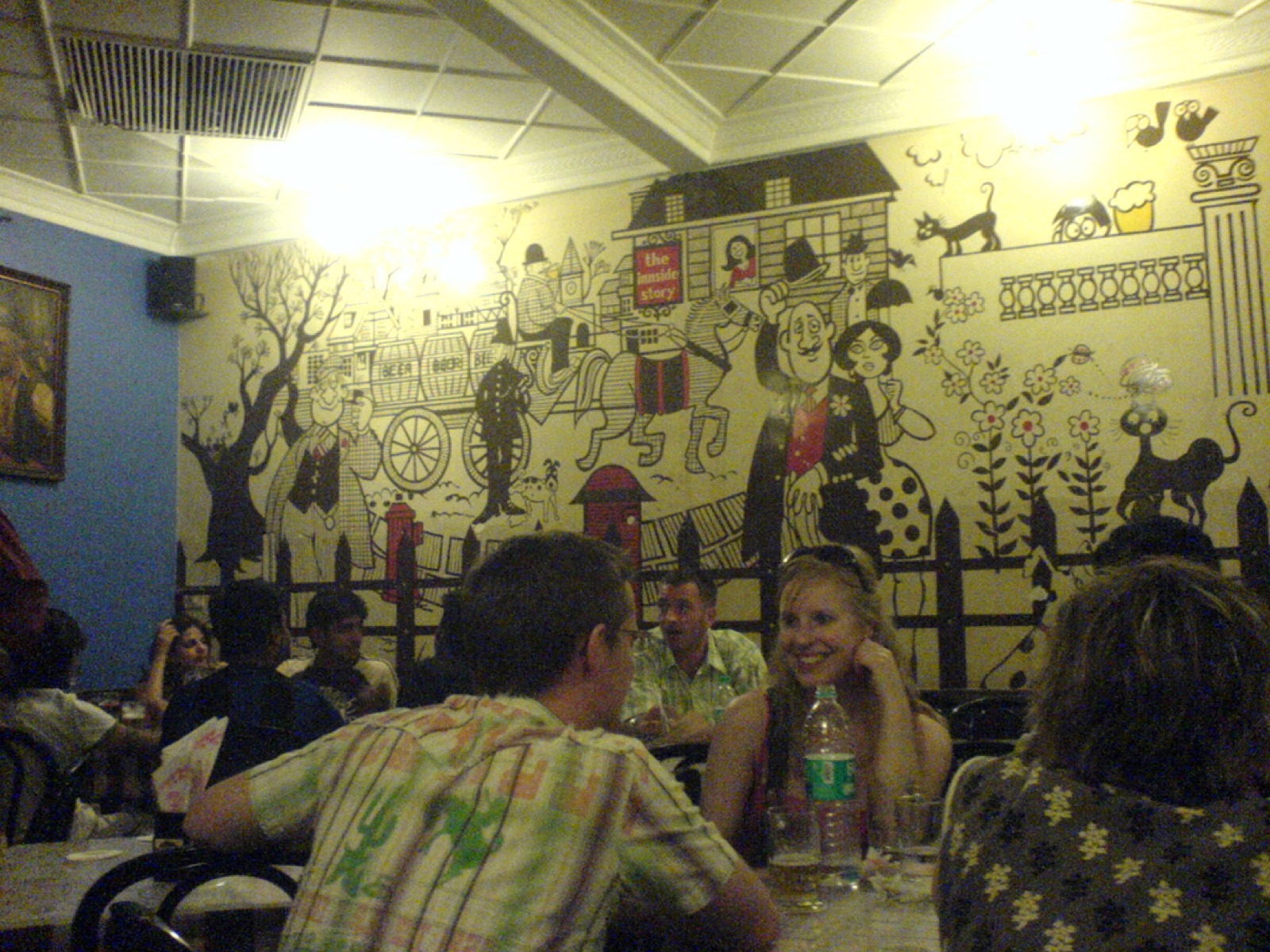
Beyond newspaper cartoons, Miranda's murals appear on various buildings in Goa and other parts of India, and late in life he took up painting, which drew a wide response. He published several books, including Laugh it Off, Goa with Love and Germany in Wintertime, and illustrated works by writers such as Dom Moraes and Manohar Malgonkar, as well as many children's books.
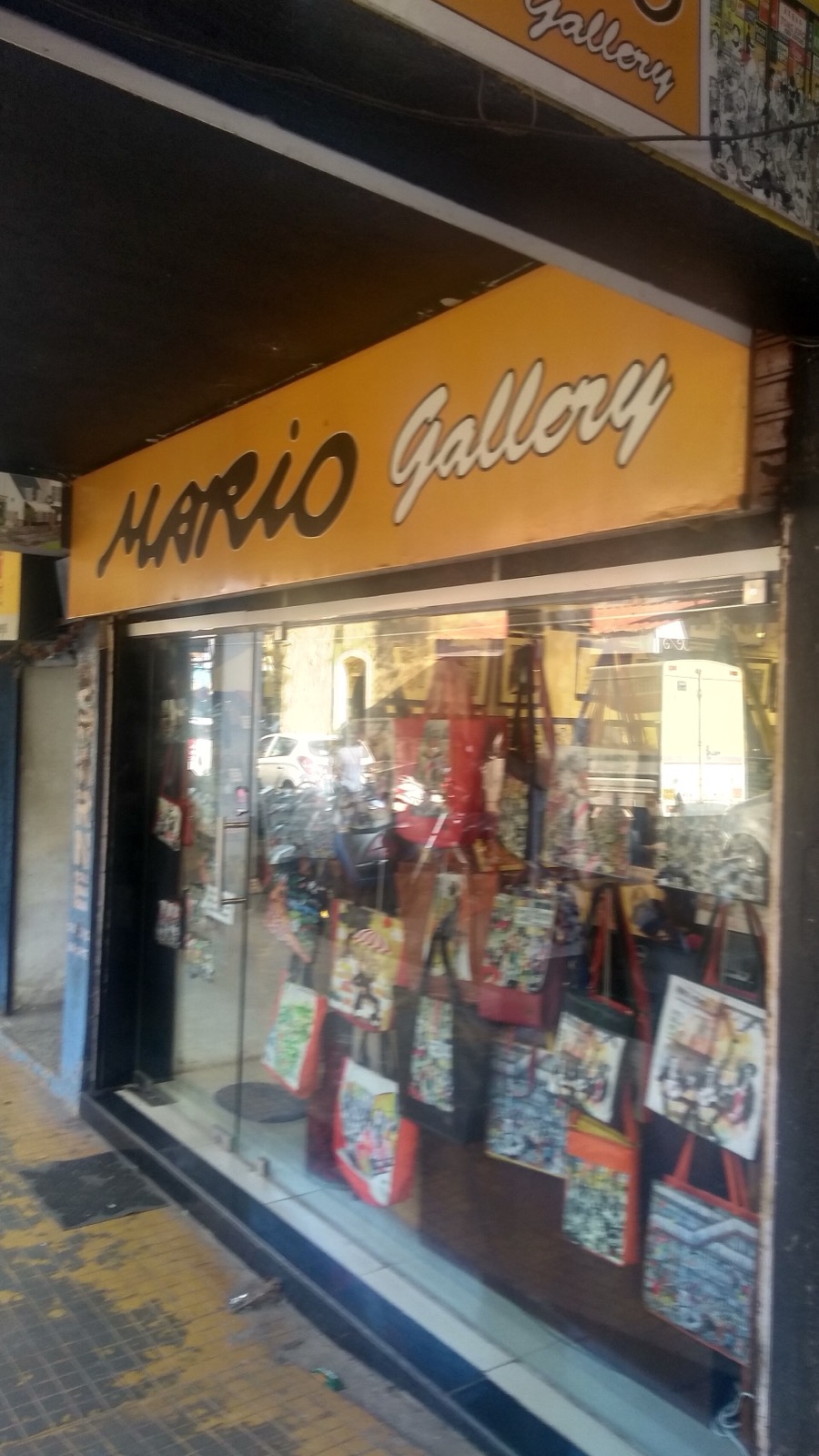
His honours accumulated across decades and countries. He was awarded the Padma Shri in 1988 and the Padma Bhushan in 2002, and in 2009 he received high civilian honours from both Spain and Portugal. In 2012 he was posthumously awarded the Padma Vibhushan, India's second highest civilian award. In 2016 Google honoured him with a doodle on his 90th birth anniversary.
Miranda lived his final years in his ancestral home in Loutolim, Salcete, in Goa, and died there of natural causes on 11 December 2011. In March 2025 the Chief Minister of Goa announced that galleries in the renovated Goa State Museum at the Adil Shah Palace, Panaji, would be dedicated to his work, cementing his place as the visual chronicler of Goan life.
Compiled from public records.