Raja Ravi Varma (1848 to 1906) is widely regarded as the father of modern Indian popular imagery. His mass-produced oleograph prints of gods and epic heroines became the template for calendar art, poster design and much of the visual vocabulary Indian illustration still draws on.
Ravi Varma was born on 29 April 1848 at Kilimanoor palace in the princely state of Travancore, in present-day Kerala, into an aristocratic family closely tied to the Travancore royal house. He learned the basics of painting in Madurai, trained in water painting under Rama Swami Naidu, and was later taught oil painting, rather reluctantly, by the British portraitist Theodore Jenson. The personal title Raja was conferred on him by the Viceroy, Lord Curzon.
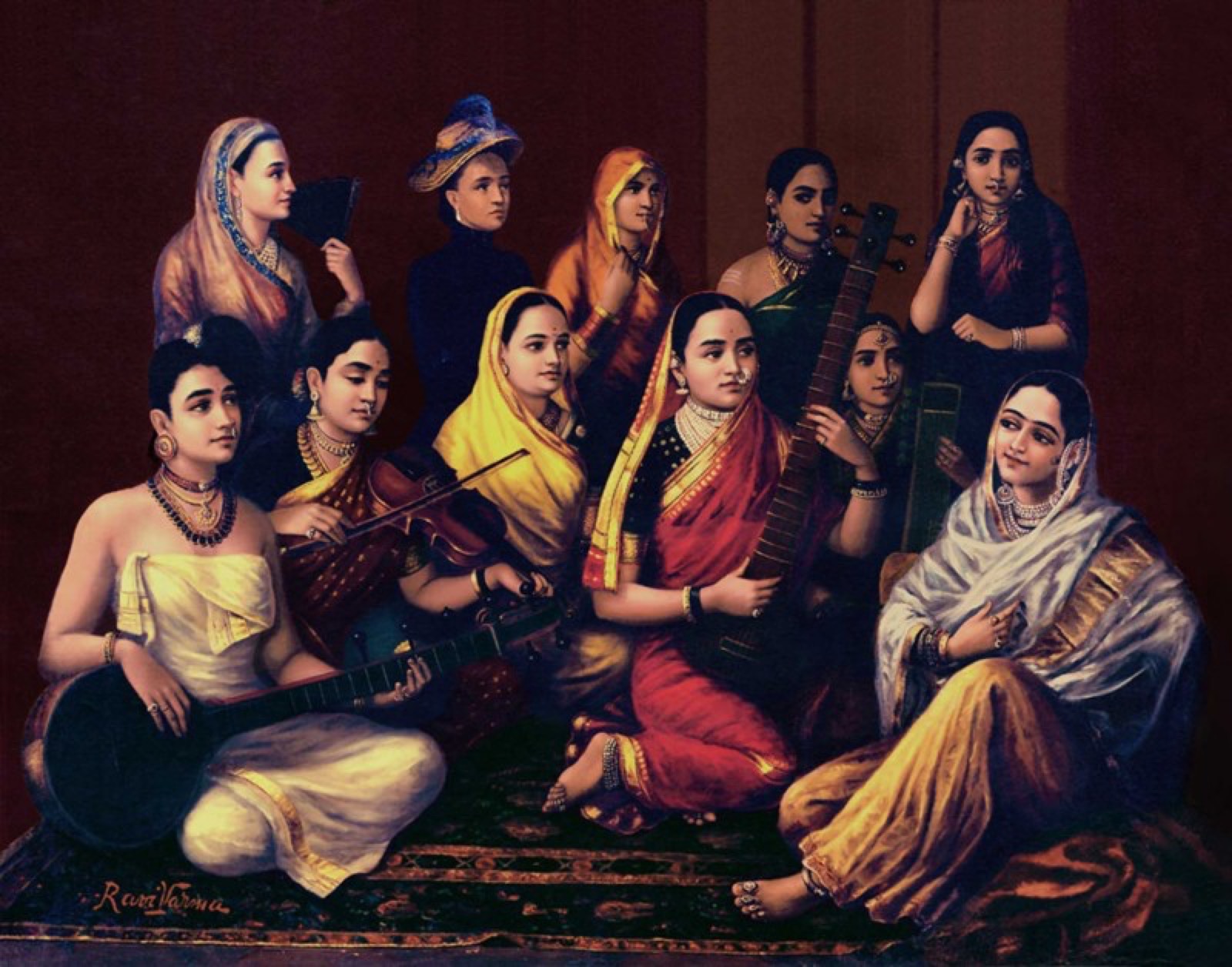
His work is celebrated as one of the best examples of the fusion of European academic art with a purely Indian sensibility and iconography. He often modelled Hindu goddesses on South Indian women and is especially noted for paintings drawn from the Mahabharata, including the stories of Dushyanta and Shakuntala and of Nala and Damayanti. His representations of Hindu characters became, in effect, part of the Indian imagination of the epics.
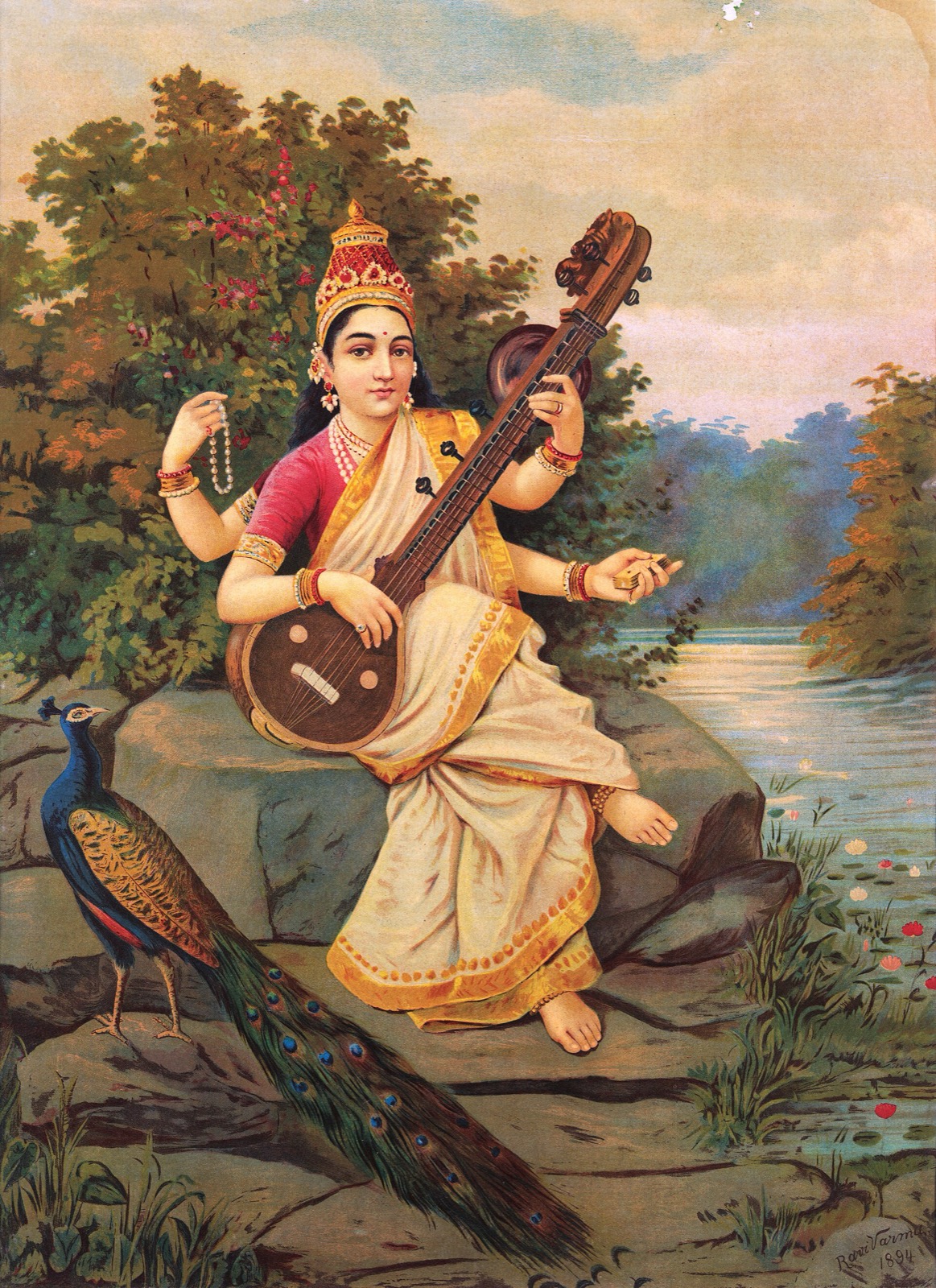
Recognition came early and internationally. Varma won an award at an exhibition of his paintings in Vienna in 1873, and his works sent to the World's Columbian Exposition in Chicago in 1893 were awarded three gold medals. In 1904, on behalf of the British King Emperor, Lord Curzon bestowed on him the Kaisar-i-Hind Gold Medal.
His most far-reaching decision was commercial as much as artistic. On the advice of T. Madhava Rao, then Dewan of Travancore, Varma started a lithographic printing press in Ghatkopar, Mumbai in 1894, later shifting it to Malavli near Lonavala in 1899. The press turned his paintings into affordable lithographs and oleographs, greatly enhancing his reach by making the images available to ordinary people.
The oleographs were mostly of Hindu gods and goddesses in scenes adapted from the Mahabharata, the Ramayana and the Puranas. They were enormously popular and continued to be printed in the thousands for many years, even after Varma's death in 1906. By putting framed deities into homes far beyond the reach of any original painting, the press defined popular artistic taste across the subcontinent.
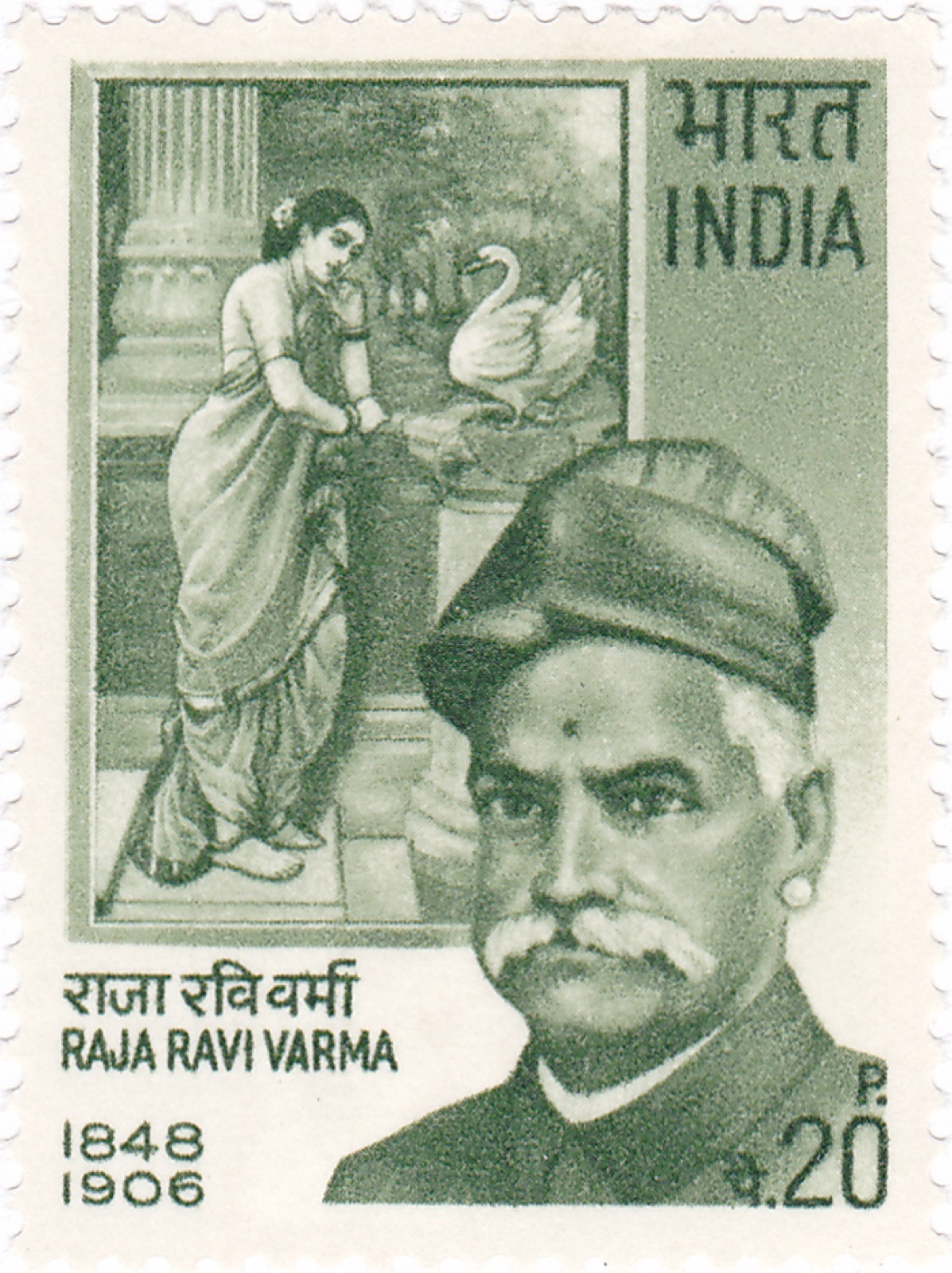
The business itself was turbulent. The Ravi Varma press was the largest and most innovative in India at the time, but under family management it became a commercial failure, and by 1899 it was deeply in debt. In 1901 it was sold to Varma's German printing technician, Fritz Schleicher, who continued printing the images. The factory ran until a devastating fire destroyed it in 1972, taking many original lithographic prints with it.
Varma's legacy reaches directly into later Indian graphic culture. His clean outlines, theatrical staging and recognizable cast of deities established a popular pictorial grammar that calendar artists, poster painters and comic-book illustrators would inherit. Contemporary artists such as Nalini Malani and Pushpamala N. have recreated and interrogated his images, a sign of how deeply his idealized figures are embedded in Indian visual memory.
Compiled from public records.