Marvel's future directorial choices prioritize familiar talent, raising concerns about creative stagnation.
Kevin Feige recently announced the directors for the MCU's Phase 6 and beyond, revealing an exclusive roster of filmmakers who have previously helmed projects within the franchise. This strategy, while ensuring a degree of familiarity and proven success, marks a notable shift from the studio's earlier approach to cultivating new voices for its expansive cinematic universe.
The upcoming slate includes Fantastic Four: First Steps from WandaVision director Matt Shakman, and Spider-Man: Brand New Day by Shang-Chi and the Legend of the Ten Rings director Destin Daniel Cretton. The highly anticipated Avengers: Doomsday and Secret Wars are entrusted to The Russo Brothers, known for their work on Infinity War and Endgame. This continuity extends to Black Panther III with Ryan Coogler and Ghost Rider with Shawn Levy, who directed Deadpool & Wolverine.
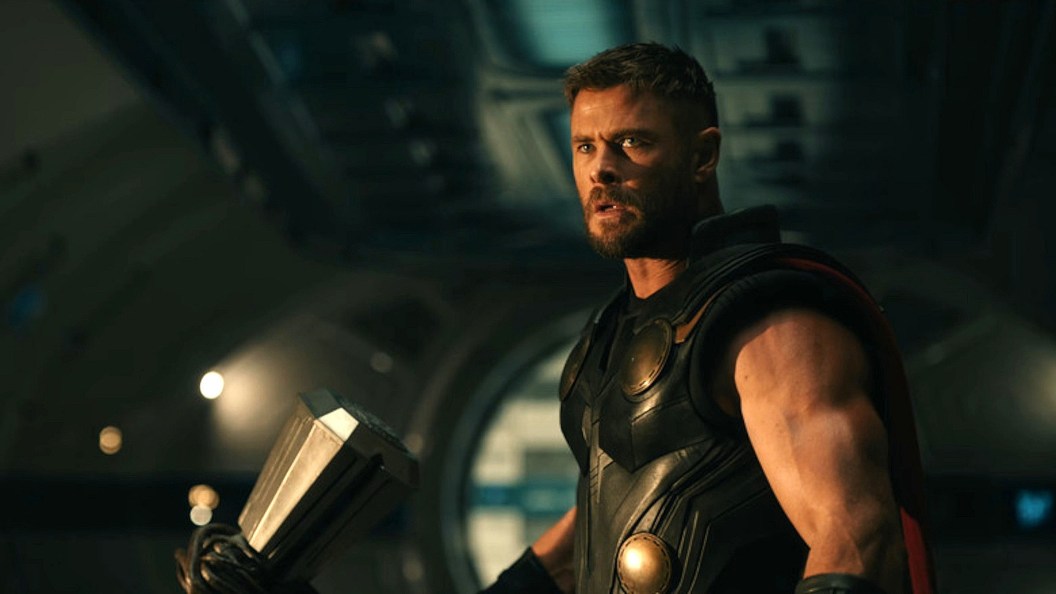
Historically, many of the MCU's most celebrated films emerged from directors new to the superhero genre, often drawn from the independent film circuit. This allowed filmmakers to infuse projects with unique perspectives and intimate character work, complementing the inherent large-scale action. Examples include James Gunn's Guardians of the Galaxy and Taika Waititi's revitalization of Thor: Ragnarok, alongside Ryan Coogler's Black Panther.
Even critically underrated entries like Nia DaCosta's The Marvels and Shane Black's Iron Man 3 demonstrated the potential of fresh directorial vision, with the latter achieving billion-dollar success. While entrusting big-budget productions to less experienced blockbuster directors carries inherent risks, this method has a proven track record of bringing out the franchise's most distinctive and successful creative endeavors.
While the current plan for Phase 6 and beyond, bolstered by the record-breaking Spider-Man: Brand New Day and the anticipated Avengers: Doomsday, is likely to achieve commercial success, it feels like a cautious step. The studio's decision to prioritize proven, internal talent, though understandable for consistency, may forgo the creative breakthroughs often sparked by embracing new, outside perspectives.