Chicago photographer Barbara Karant is suing artist Mickalene Thomas for alleged copyright infringement over appropriated images.
Chicago photographer Barbara Karant has initiated legal proceedings against artist Mickalene Thomas, alleging copyright infringement. The lawsuit, filed in federal district court in Illinois on May 26, claims Thomas used Karant's photographs without permission or proper attribution.
Karant, whose work is held by institutions like the Art Institute of Chicago, asserts that Thomas appropriated over a dozen images from her "820 Ebony/Jet" series. This collection comprises 250 photographs documenting the vacant former headquarters of the Johnson Publishing Company in Chicago.
The Johnson Publishing Company, once a prominent Black-owned media enterprise, published Ebony and Jet magazines. Karant photographed the building's distinct interiors, originally designed by Arthur Elrod and William Raiser, after its sale to Columbia College Chicago in 2010.
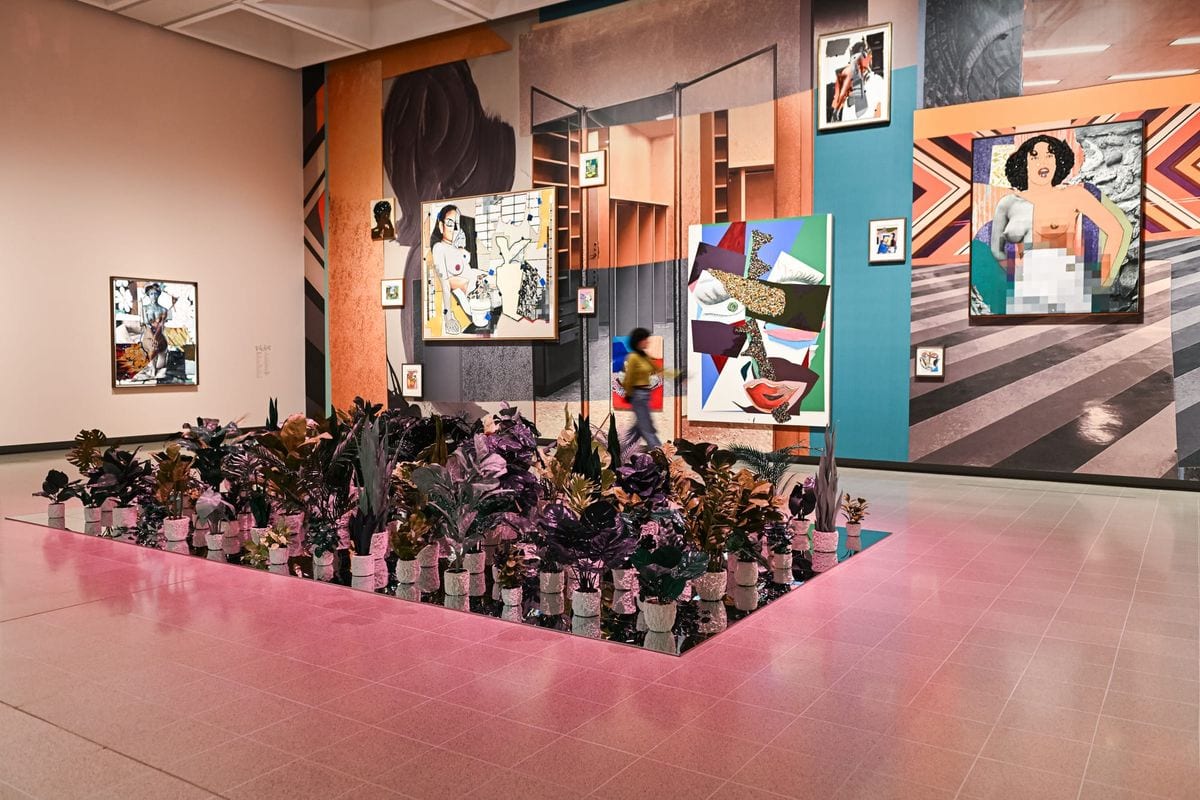
The lawsuit specifically points to an installation in Thomas’s 2024 exhibition, "All About Love," at The Broad, which allegedly incorporated Karant’s copyrighted photographs. These include an image from an Ebony Fashion Fair dressing room and two depicting patterned walls within the headquarters.
Karant's legal filing further alleges that other works by Thomas, such as "Nus Exotiques #10" (2025), a collage, also feature elements taken from her "820 Ebony/Jet" series. The suit highlights "vibrant, patterned shapes, ceiling lights, and patterned wallpaper" as directly lifted from Karant's interior photographs.
Several galleries that displayed Thomas’s work, including Lévy Gorvy Dayan, Yancey Richardson, Kavi Gupta, and Galerie Nathalie Obadia, are also named in the suit, accused of "willful" copyright infringement. A spokesperson for Lévy Gorvy Dayan acknowledged active litigation but declined further comment, while Kavi Gupta stated they are reviewing the matter and have not dealt with the specific works mentioned.
The legal action precedes the publication of Karant’s book, "820 Ebony/Jet: Visions of the Johnson Publishing Company, an American Icon," by MW Editions. Karant’s attorneys argue that Thomas’s alleged copying has negatively impacted Karant’s ability to sell her own photographs and jeopardizes the market for her upcoming publication.
This case reflects a broader discussion within the art world regarding the use and appropriation of existing images in new artworks, a practice that has been the subject of legal challenges for decades. A recent example includes the 2024 ruling against artist Richard Prince in a similar copyright dispute.
Mickalene Thomas is recognized for her elaborate collages, paintings, and installations, which often depict Black American women and incorporate elements like rhinestones and glitter. This lawsuit marks the second public legal action against Thomas within the past year, following a $14 million lawsuit filed by her former fiancée, Racquel Chevremont, last August, alleging abuse, which Thomas denied.