Before Indian superhero cinema had a playbook, it had Ajooba: a Zorro-styled avenger in an Arabian Nights kingdom, co-directed from Moscow and Mumbai. The film flopped, and then became unforgettable.
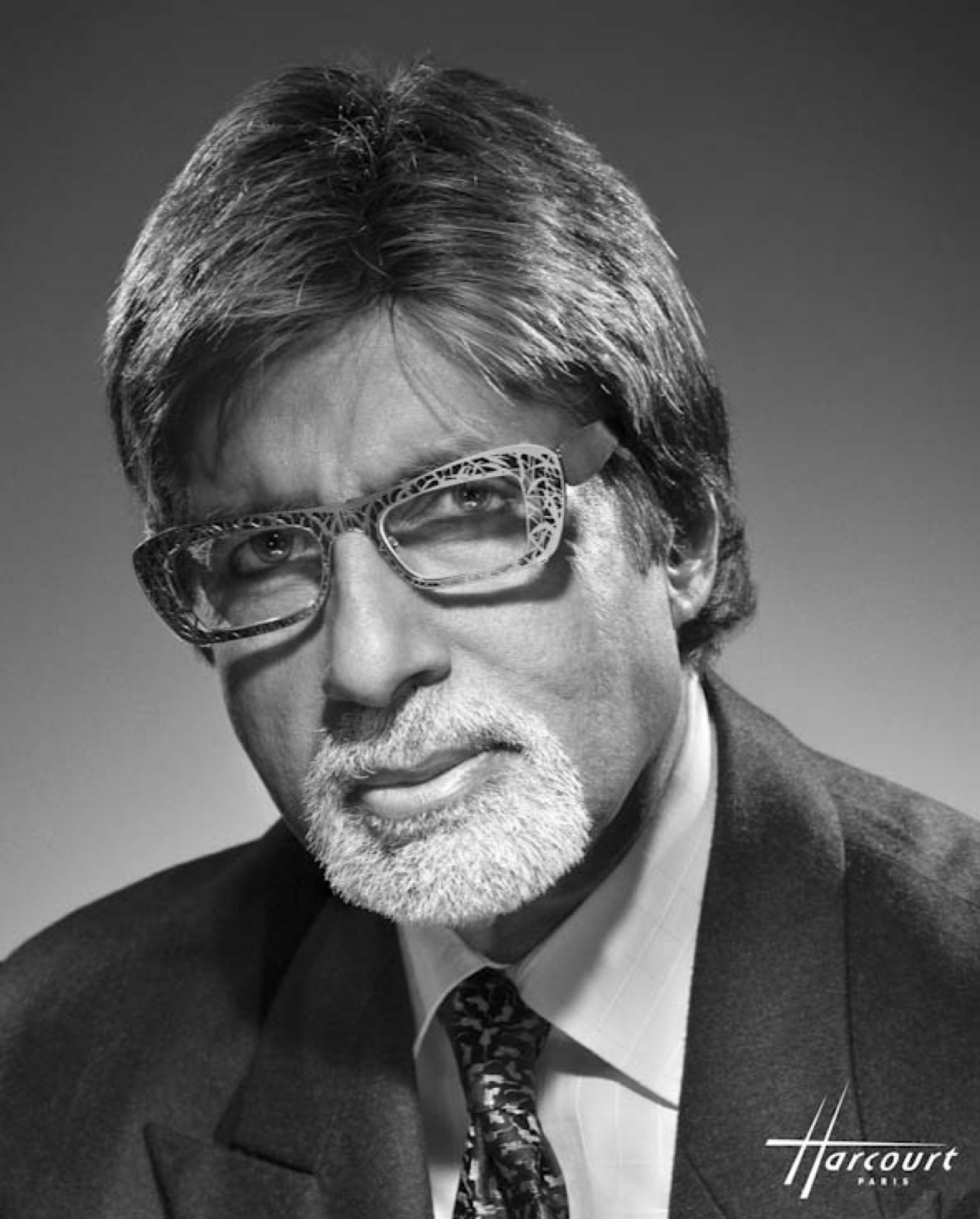
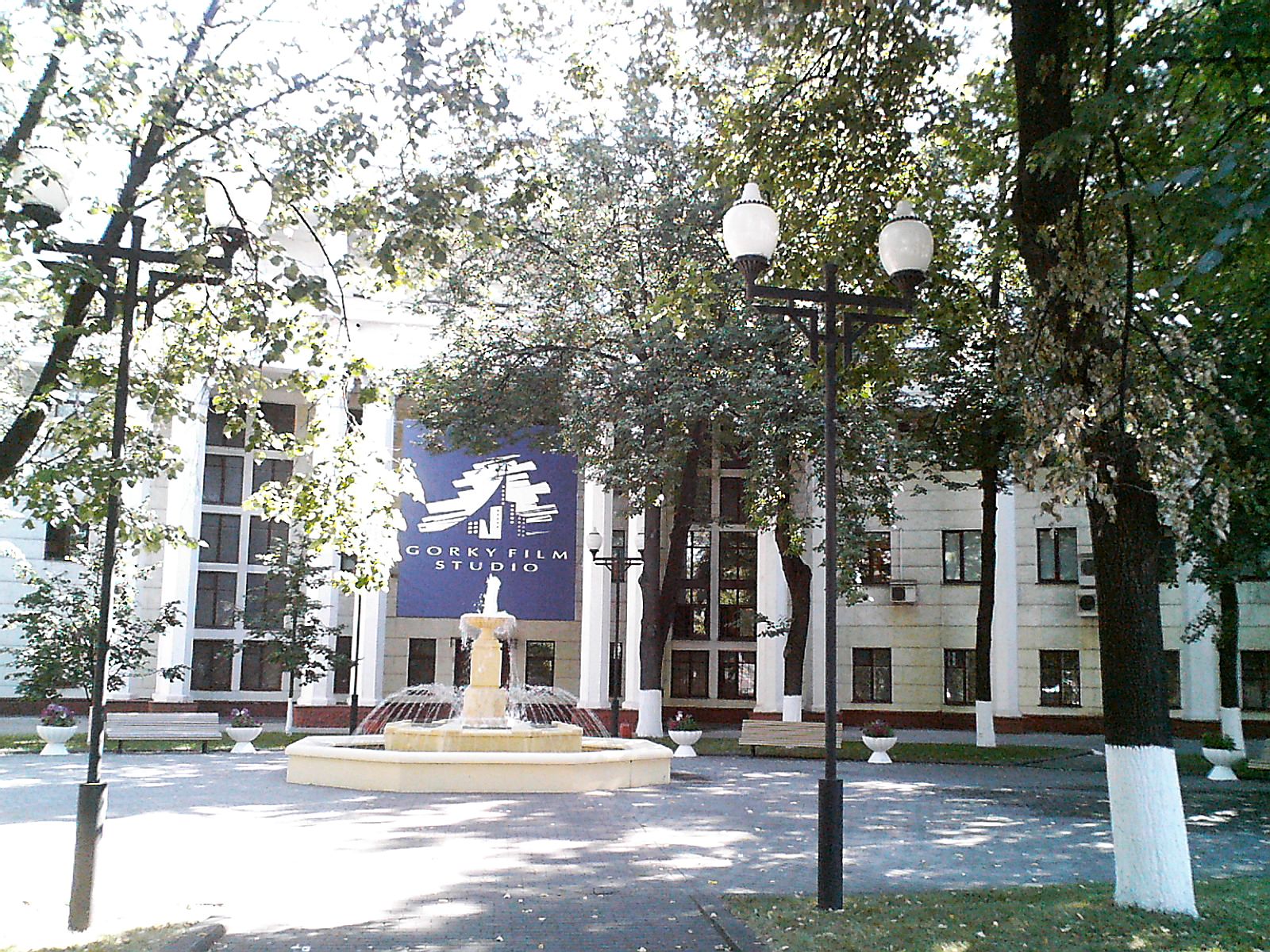
Ajooba is a superhero fantasy produced and directed by Shashi Kapoor and co-directed by Soviet filmmaker Gennadi Vasilyev, an Indian-Soviet co-production between Kapoor's Aasia Films and Gorky Film Studio. Loosely based on Arabic folklore in the vein of One Thousand and One Nights, it stars Amitabh Bachchan as the titular masked hero alongside Rishi Kapoor, Dimple Kapadia, Sonam, Shammi Kapoor, Dara Singh, Amrish Puri and Saeed Jaffrey. A Russian-language version titled Black Prince Ajuba was released in the Soviet Union in July 1990, ahead of the Indian release on 12 April 1991 over the Eid weekend. Laxmikant-Pyarelal wrote the songs and Vanraj Bhatia the score for the 170-minute film.
The story unfolds in the kingdom of Baharistan, ruled by a kindly Sultan whose newborn son survives the murderous schemes of the devil-worshipping Vazir, played by Amrish Puri with the war cry of Shaitan Zindabad. The infant prince Ali is washed ashore, raised by a blacksmith, and comes to believe a dolphin is his mother, one of Hindi cinema's most sincerely strange plot points. Grown into Bachchan, he becomes Ajooba, a masked rider in black who protects the oppressed, in the mould of Zorro. A magic sword embedded in a pillar, drawable only by royal blood, waits like Excalibur for the climax.
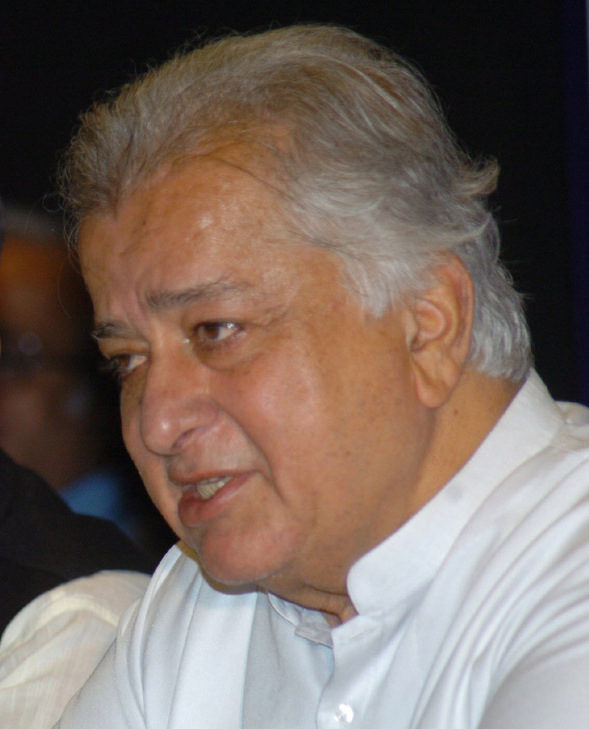
The production was an event in itself: an 8 crore rupee budget made Ajooba the most expensive Indian film made until then. The binational crew included Soviet cinematographers Sergei Anufriyev and Aleksandr Kovalchuk working alongside India's Peter Pereira, the effects veteran of Mr. India. Editors in both countries cut the film, and Gorky Film Studio's fantasy-cinema expertise shaped its flying carpets, storms and stone demon. Few Hindi films before or since have been assembled across the Iron Curtain.
The climax throws everything at the screen at once. The Vazir revives his Fauladi Shaitan, a huge demon-like figure of stone, while the King of Hind, played by wrestling legend Dara Singh, marches his army to Ajooba's aid. Demons, magical horses, enchanted swords and a full-scale battle collide before the hero's true royal identity is revealed. It is the Amar Chitra Katha aesthetic staged with Soviet studio machinery.
India in 1991 did not know what to do with it. The film received mixed reviews, with critics praising the performances, special effects and music while faulting the story, screenplay and direction. At the box office it collected 3.50 crore rupees against its 8 crore cost, a painful outcome for Shashi Kapoor as producer. The most expensive Indian film ever made had become one of its most visible commercial failures.
Time has been kinder than the opening weekend. Ajooba now sits at a fascinating junction in Indian genre history: after Mr. India proved a superhero could work in Hindi cinema, Ajooba tested whether the figure could anchor pure fantasy at blockbuster cost, and its failure quietly shaped the industry's caution for the next decade. Its Indo-Soviet provenance also makes it a time capsule from the final months of a geopolitical friendship. The Soviet Union itself dissolved within a year of the film's Moscow premiere.
For students of the genre, Ajooba is essential viewing precisely because it is unreasonable. It shows Hindi cinema's biggest star gamely committing to a masked avenger years before franchise logic existed to protect such bets. Every Indian superhero film that budgets for capes and mythology owes a debt to the films that absorbed the early losses. Ajooba absorbed one of the largest, wearing a mask and riding a black horse.
Compiled from public records and archival reporting.