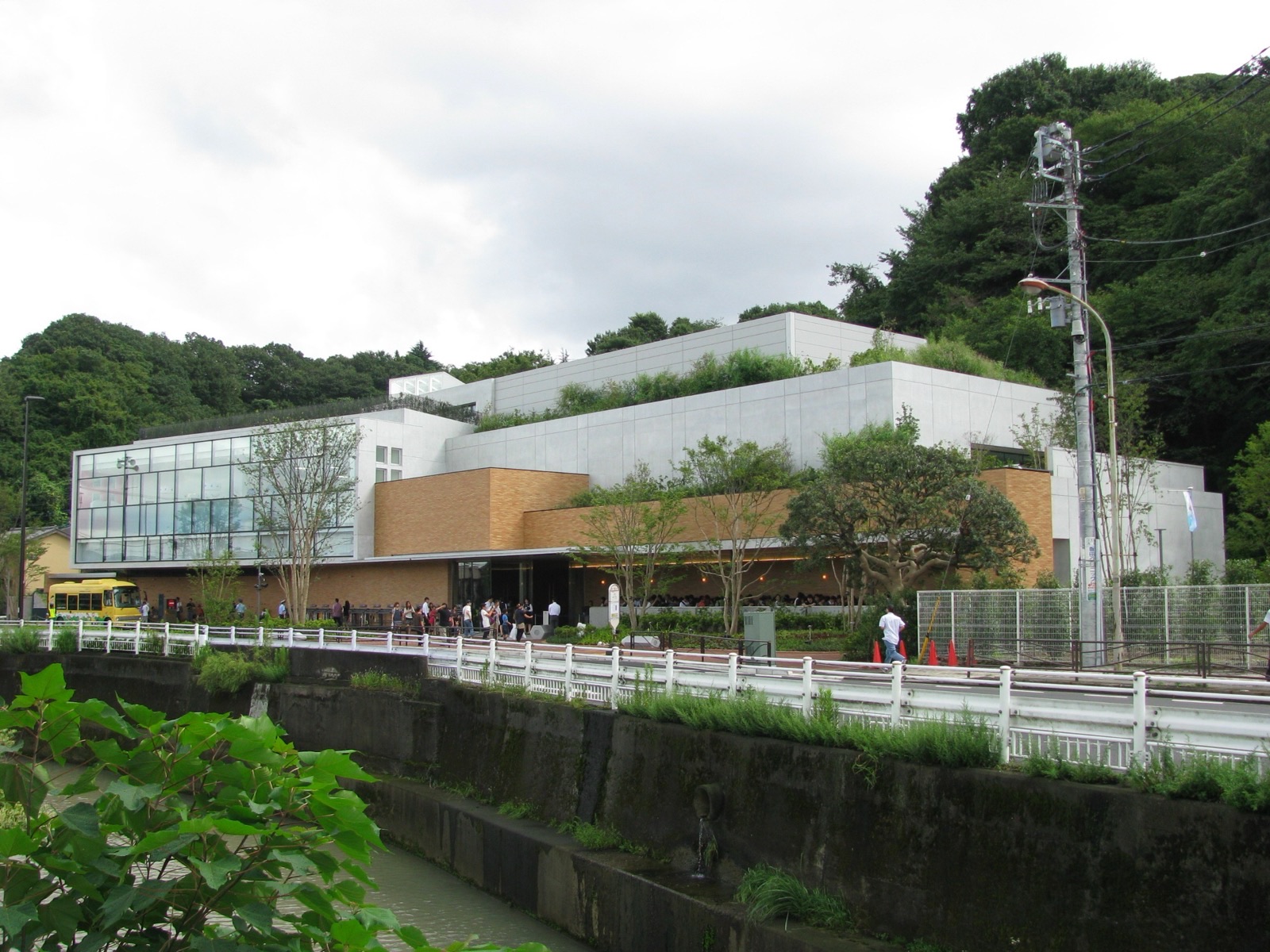
The Kawasaki City Fujiko F. Fujio Museum opened on 3 September 2011, a date chosen to match Doraemon's fictional birthday. It is devoted to Hiroshi Fujimoto, who created the blue robotic cat and signed his work as Fujiko F. Fujio.
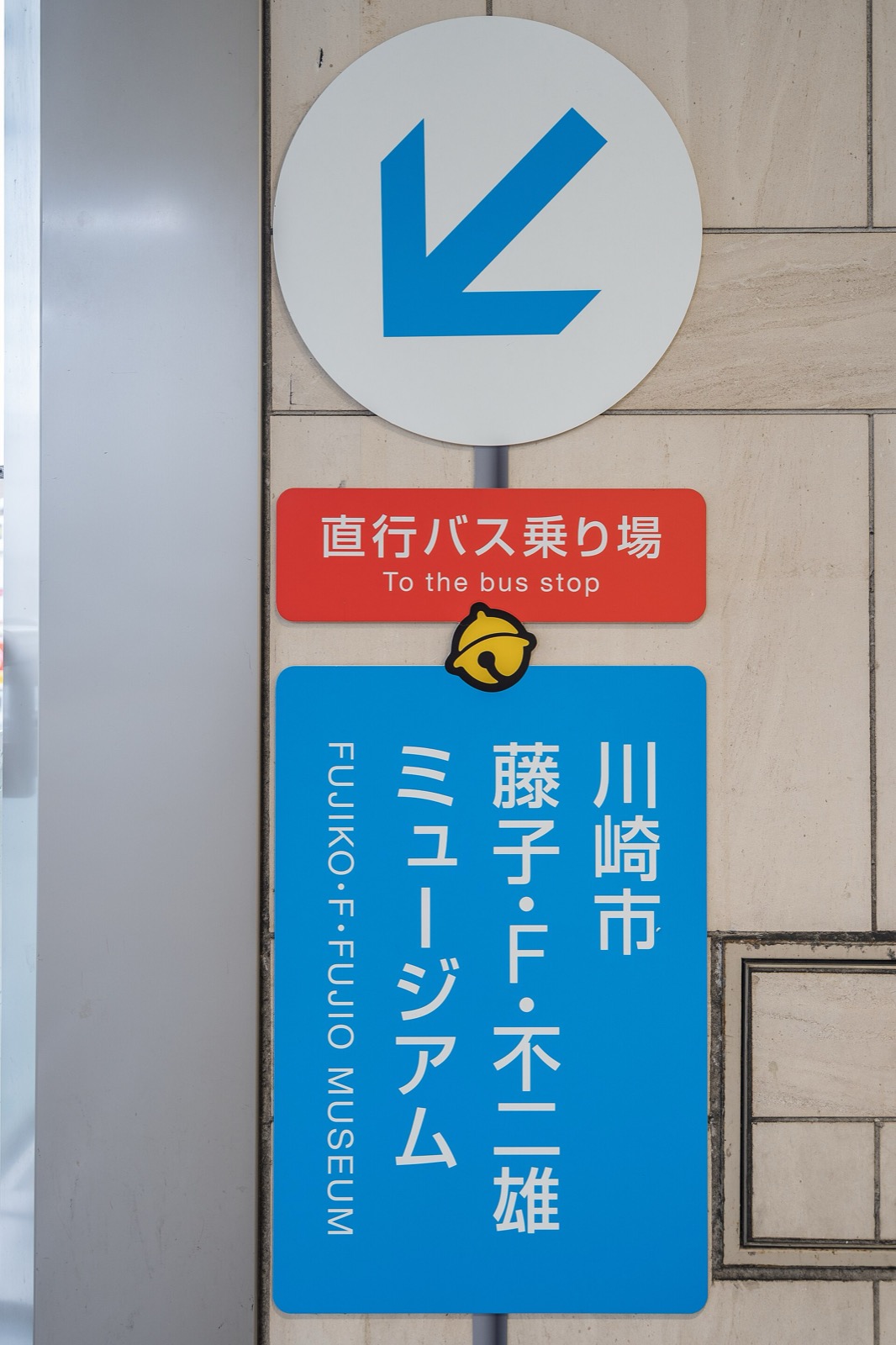
The museum stands in Tama-ku, Kawasaki, in Kanagawa Prefecture, the region where Fujimoto lived for much of his life after moving to the city in 1961. That long local connection, recognized with a cultural award from Kawasaki, is why the museum was sited there rather than in central Tokyo. Visitors typically reach it by a dedicated shuttle bus from Noborito Station or on foot from nearby rail stops.
Hiroshi Fujimoto used the pen name Fujiko F. Fujio from 1989 until his death. For decades before that he had shared the joint name Fujiko Fujio with his collaborator Motoo Abiko, a partnership that began in the 1950s and ended in the late 1980s. Doraemon remains the best known of the many works to carry his signature.
The opening date was no accident. In the manga's chronology, Doraemon is born on 3 September 2112, and the museum chose 3 September 2011 to launch, weaving the character's fictional timeline into the institution's real history. The choice signaled from the start that this would be a museum built around the world of the work, not only its documents.
At its heart, the museum is a repository of original artwork, the hand-drawn pages and color illustrations that fans normally see only as printed reproductions. These genga are presented as the core of the experience, displayed across dedicated exhibition rooms alongside a reading room where guests can sit with the published comics.
The building offers more than framed art. There is a theater, sometimes called the F Theater, that screens short films not shown elsewhere, with admission included in the ticket. A play area lets visitors encounter character figures, and the upper floors hold a cafe with an original themed menu and a rooftop playground populated by familiar characters.
Entry is strictly controlled through a date-and-time reservation system. Tickets are sold in advance for specific entry slots through the day, beginning at 10:00, with visitors expected to arrive within their assigned hour. The approach keeps the galleries from overcrowding and means walk-up entry is not available.
Admission is tiered by age, with separate adult, teenage and child rates and free entry for the youngest visitors, and purchases are capped at a small number of tickets per transaction. The museum keeps regular daytime hours and closes on Tuesdays as well as over the year-end holidays.
Compiled from public records.