The biggest week on the comics calendar returns to San Diego, and this year it stands on its own.
San Diego Comic-Con 2026 runs Wednesday, July 22 through Sunday, July 26 at the San Diego Convention Center, with Preview Night on July 22 reserved for four-day badge holders and credentialed professionals. The annual gathering remains the most influential pop culture convention in the world, regularly hosting major film trailers, television announcements, and comic publishing news. For film fans, the show is as much about the unplanned discoveries as the marquee panels. It is a five-day event where the schedule is a suggestion and the surprises are the point.
One detail makes 2026 stand out. For the first time in three years, the show will not coincide with a major Marvel movie release, since the next MCU installment, Spider-Man: Brand New Day, arrives in theaters just days later on July 31. In practice, that timing means any Marvel Studios Hall H presentation will likely be used to give the Spider-Man film one final, massive promotional push to a room full of attendees who will immediately post everything they see. The gap between the panel and the premiere turns the convention into a launchpad rather than a victory lap.
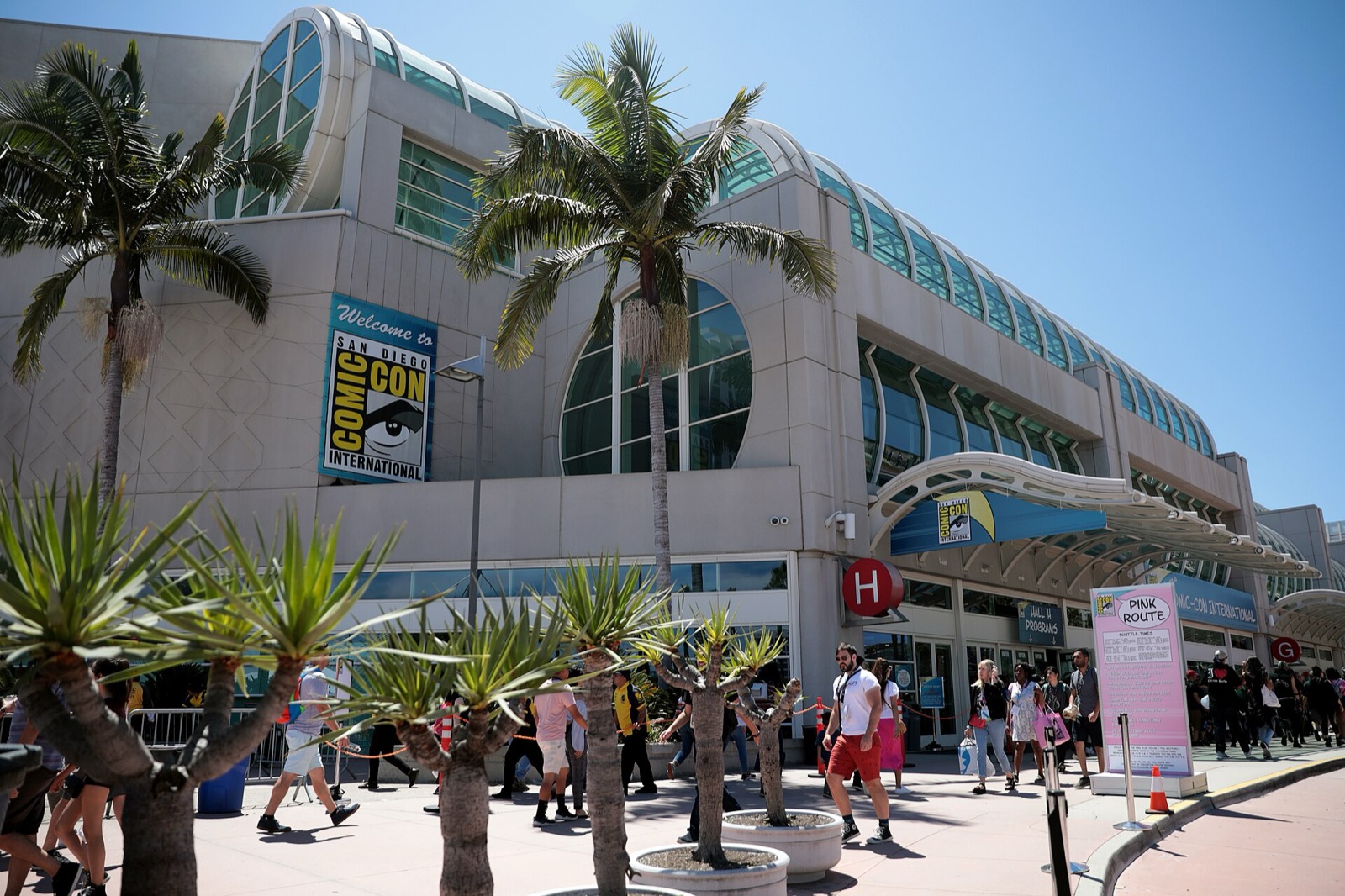
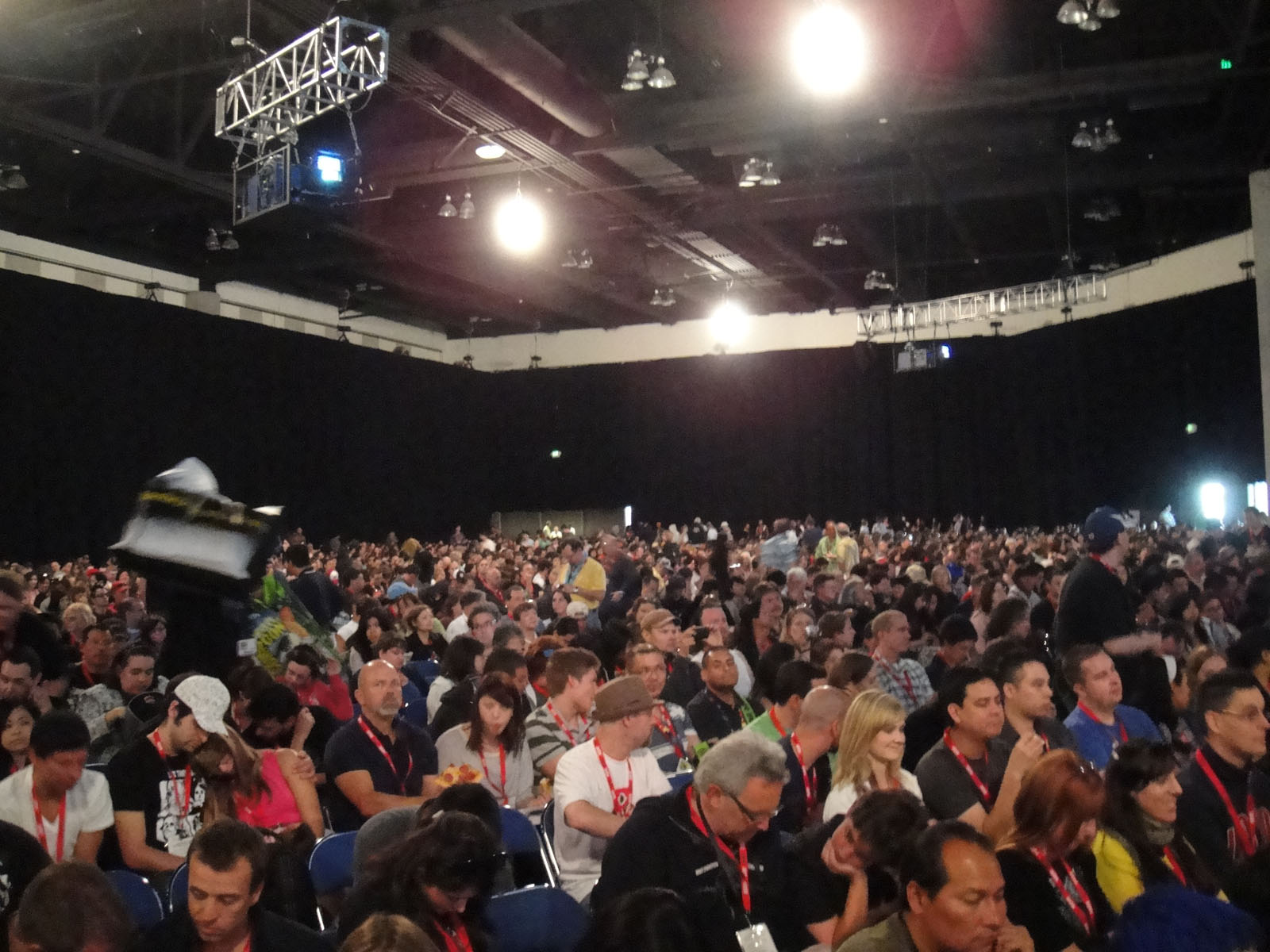
Hall H itself is the stuff of convention legend, holding around 6,500 people for hour-long panels that fans line up for the night before. People sleep on the pavement outside the convention center to secure a seat, a tradition rather than hyperbole. The room has a reputation for emotional reveals, the kind of place where a trailer for a movie eight months away can move a grown adult to tears. That intensity is what makes a Hall H slot so coveted for studios looking to generate buzz that ripples across social media within minutes.
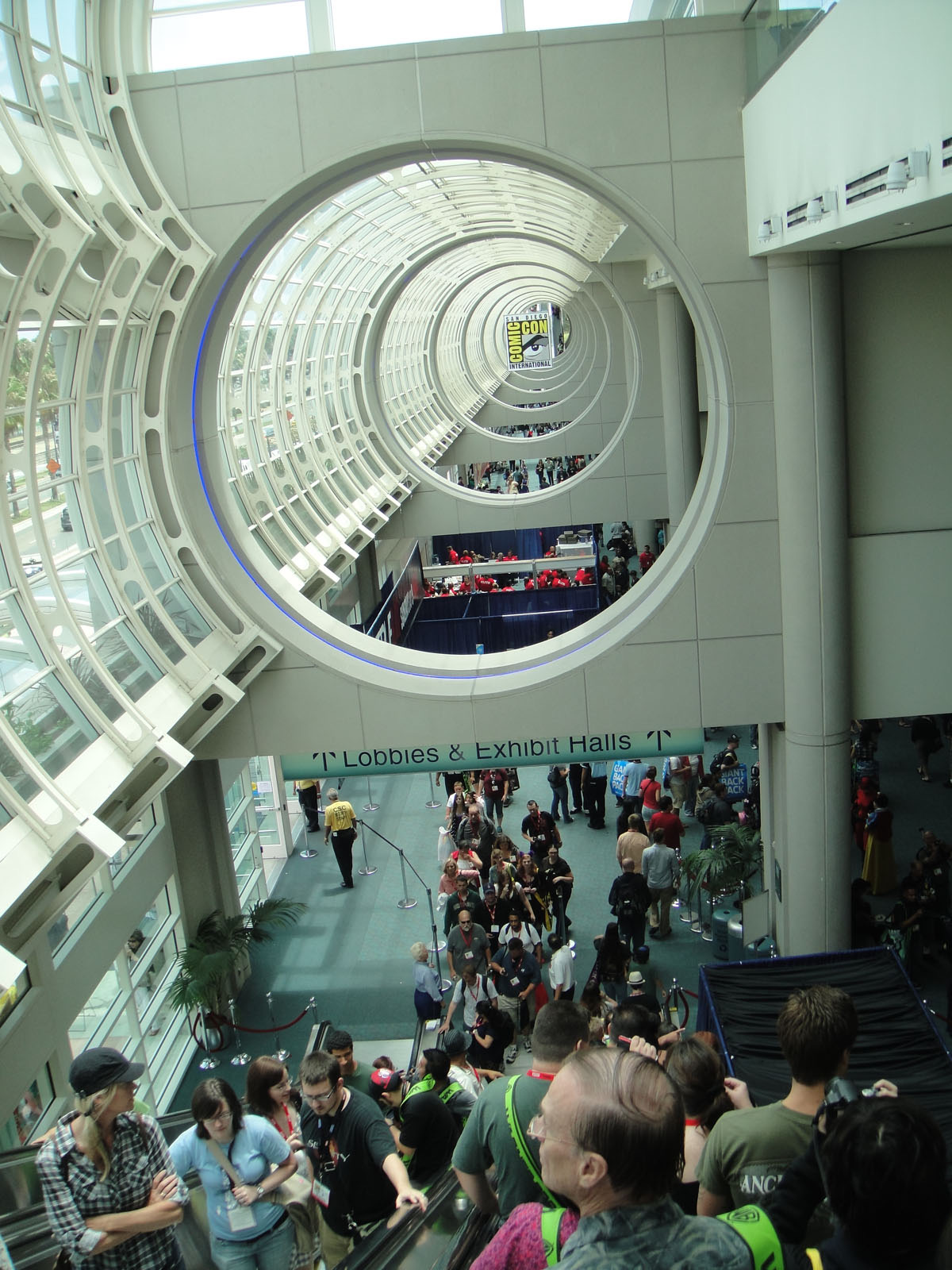
Beyond Hall H, the convention floor spans several hundred thousand square feet of publishers, studios, toy companies, artists, and vendors. For film enthusiasts, the programming away from the main hall is consistently underrated, with smaller panels frequently featuring casts of films that will not finish shooting until after the show ends. The convention's appeal has broadened well beyond comics, with film and television content serving as the dominant draw for over a decade. That breadth is part of why the show continues to set the agenda for the wider entertainment calendar.
The energy spills well outside the convention center too. The Gaslamp Quarter surrounding the venue becomes a secondary convention during SDCC week, as studios take over bars, restaurants, and empty storefronts for activations, off-site events, and screenings that do not require a badge. For anyone who cannot get inside the convention itself, the Gaslamp remains a legitimate show in its own right. That accessibility keeps the surrounding city humming with fans throughout the week.
Getting in is the part many people underestimate. SDCC badges sell out in minutes through the Member ID registration system, and anyone without a Member ID from a previous year's purchase needs to create one well in advance. Returning attendees receive priority access through a randomized waitlist, while professional and press badges require applications that open earlier in the year. Hotels add another layer of urgency, with convention center properties selling out within hours of each year's announcement.
For the film obsessive, the deeper draw is access to the people who actually make the work. Directors, cinematographers, and screenwriters give panels at SDCC that are not replicated anywhere else on the calendar, offering a level of craft conversation rare for a fan event. The Eisner Awards, presented on the Saturday night of the show, honor the best in comics and graphic novels, and the nominated and winning works have a long history of becoming source material for film and television. Paying attention to what wins on that Saturday night is a reliable way to know what the industry will be adapting in the years ahead.
Reported by Films Gone Wild.